Boxing. Betting strategy for “victory by decision”

Boxing. Betting strategy for “victory by decision”

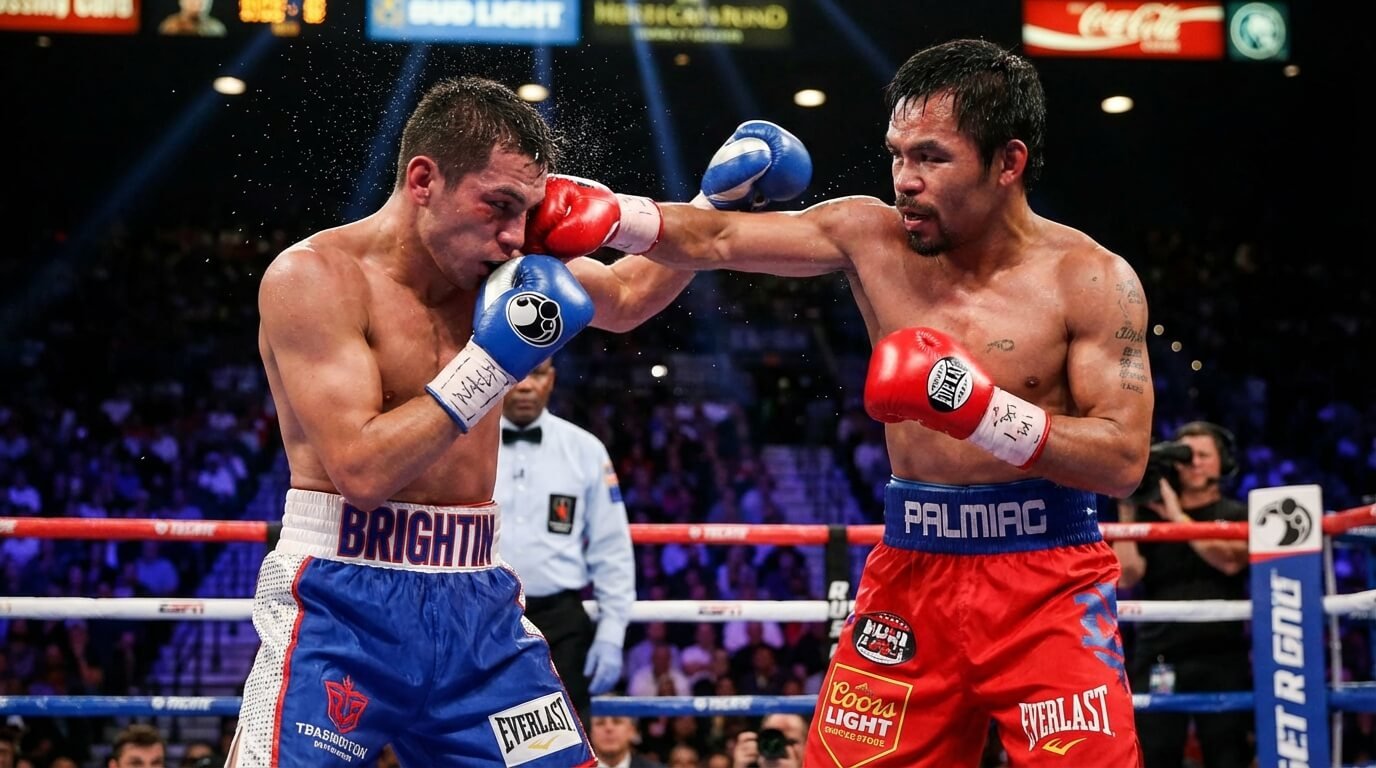
Betting on a fight to go to the judges and produce a decision winner is a distinct art inside the broader world of boxing wagering. It demands attention to style, stamina, and subtle clues that the betting public and oddsmakers often undervalue. In this article I’ll walk you through the practical signals, tools, and real-world examples that help you find value when you back a boxer to win by decision. Why bet on a decision rather than a straight moneyline or knockout Deciding to bet on "victory by decision" is often a tactical move when straight-up odds don’t offer enough value or when you believe a fight will be competitive and go the distance. Bookmakers price knockouts, TKOs, and decisions separately because the risk profile differs: knockouts are more binary and attractive to casual bettors, while decisions reward deeper analysis. Market inefficiencies emerge when public sentiment leans toward an expected knockout or an upset puncher, pushing decision lines out of proportion. If you can identify fights where a boxer’s style and record point to winning rounds rather than explosives, you can find better returns than blindly picking the favorite on the moneyline. Key signals that favor a decision win Successful decision bets rest on several repeatable signals. Look for consistent indicators such as high punch volume paired with low knockout rates, technical footwork and ring generalship, opponent durability, and a history of winning on cards rather than by stoppage. When multiple signals line up, the decision market becomes attractive. Below is a compact table summarizing the primary indicators and what to look for when you’re deciding whether to back a boxer to win by decision. Factor What to look for Punch volume and accuracy High sustained output, consistent connect rates, favors rounds won over single-turn knockout shots Power vs. durability Opponent rarely stopped, power behind shots insufficient to change a bout alone Stamina and late-round records Strong fourth-quarter performance: wins rounds 7–12 often Style matchup Boxer thrives on distance, movement, or clinch control—styles that neutralize one-shot knockouts Judging and venue Local judges, scoring trends, or televised tilt that historically favors technical boxing Punch volume and accuracy Punch statistics tell you more than raw power numbers. A boxer who consistently lands a high number of jabs and combinations across rounds is signaling round control. CompuBox-style stats—total punches thrown, punches landed, and percentages by round—are essential to estimating whether a fighter can…

Boxing. Betting strategy for “victory by decision” Read Post »
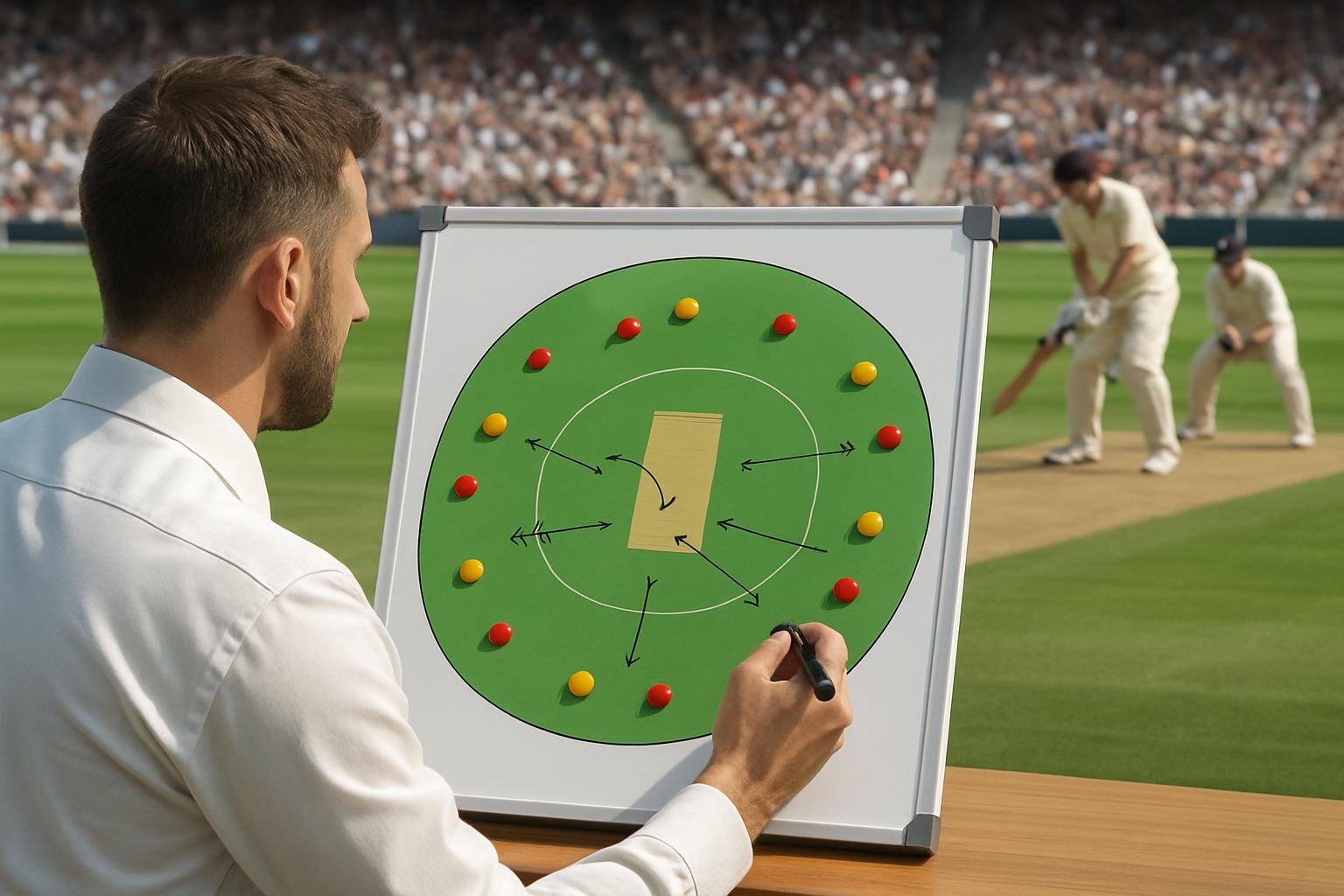
How to pick the likely cricket winner in 2026: a practical playbook

How to pick the likely cricket winner in 2026: a practical playbook

Cricket in 2026 will look familiar and surprising at the same time — the same contest of bat and ball, amplified by richer data, new formats, and quicker tactical pivots. If you want a grounded Strategy for Determining the Cricket Winner in 2026, you need both numbers and a sense for context: pitch mood, squad psychology, and the fleeting momentum that statistics alone can miss. Reading the 2026 cricket landscape Rule changes, franchise expansions, and player workloads have reshaped team construction. Shorter tournaments and compressed domestic calendars mean teams rotate players more, so availability and recent match minutes matter as much as raw ability. Environmental factors — climate patterns, better pitch-tracking tools, and broadcast-driven analytics — now feed decision-making faster than ever. That mix changes the baseline: a team that looks strong on historical metrics may be vulnerable if key players are rested or carrying niggles. Essential metrics and trustworthy data sources Not all numbers are equally useful. Rather than chasing every metric, focus on a compact set that explains outcomes and is regularly updated: effective strike rates, death-over economy, partnership stability, fielding impact, and conditions-adjusted bowling averages. Reliability of source matters: official match data, third-party ball-tracking, and accredited scouting reports should be preferred over social-media tallies or single-match narratives. Triangulating these sources reduces noise and uncovers consistent signals. Metric Why it matters Suggested weight Recent batting form (last 8–12 innings) Reflects current confidence and technique 25% Bowling unit effectiveness (match-ups & death bowls) Drives wicket-taking and run suppression 25% Fielding & running impact Can swing tight matches through saving runs 15% Pitch/weather conditions Alters expected scoring rates dramatically 20% Experience vs. opposition Head-to-head history and pressure handling 15% From metrics to model: building robust predictions Start with simple, interpretable models before layering complexity. Elo-style ratings or logistic regression calibrated on conditions often outperform black-box systems when data history is limited or team rosters fluctuate between matches. Use ensembles when you have enough high-quality data: combine structural models (that encode cricket logic, like resource conservation in limited overs) with machine-learning components that pick up subtler patterns. Always validate on held-out tournaments to avoid overfitting. Live updates and decision triggers during a match A pre-match model gives a baseline probability; in-play updating is where matches are won or lost. Build a live win-probability engine that updates after every over and key event, incorporating remaining resources (overs/wickets), required run rate, and changing…

How to pick the likely cricket winner in 2026: a practical playbook Read Post »

MMA betting. The best strategy — a complete guide from the experts 📌

Mixed martial arts is raw, fast, and maddeningly unpredictable — which is exactly why it attracts serious bettors and weekend dabblers alike. This guide walks through what separates smart MMA wagering from guesswork: odds interpretation, model building, money management, live strategies, and the softer intelligence you can’t capture with numbers alone. Read on for a practical, expert-informed playbook you can use whether you’re placing your first bet or refining a model you’ve been running for seasons. Why MMA betting is its own animal MMA is a hybrid sport. Unlike baseball or basketball, which have stable, repeatable events and a large volume of comparable plays, MMA has a small sample size for each fighter and many fight-specific variables. That makes historical data noisier and the variance higher. One more twist: stylistic matchups matter more than raw rankings. A skilled wrestler can neutralize a striker who otherwise looks dominant on paper. The result is a market that can be slow to adjust to contextual factors — and therefore offers opportunities for disciplined bettors. Markets you’ll see and how they work Before you place money, know the markets. The most common MMA bets are moneyline (fight winner), method-of-victory, round betting, over/under on rounds, and parlays. Futures and props — like “Will there be a submission?” — are available at larger books and often carry different edges. Different books sometimes price the same markets very differently. That spread is where value appears. Shopping lines across multiple sportsbooks is a small effort with an outsized impact on your long-term return. Common bet types (quick reference) Bet type What it means When to use it Moneyline Pick who wins Core market; best for general edge hunting Method of victory Pick KO/TKO, submission, or decision When fighters’ styles suggest a likely finish Round betting Pick the round or ranges High variance but high payout; use when round models are sound Over/Under rounds Will fight go over or under X.5 rounds Good for fights with clear tempo disparities Parlays Multiple bets tied together Avoid for bankroll; small, disciplined parlays only Odds interpretation and implied probability Odds are information, not destiny. Convert American odds to implied probability to compare the market’s view with your own. For positive odds (+X): implied probability = 100 / (X + 100). For negative odds (-Y): implied probability = Y / (Y + 100). These give a quick read on how much the market…

MMA betting. The best strategy — a complete guide from the experts 📌 Read Post »

Football betting. The best strategy — a complete guide from the experts 📌

Football betting is a layered craft: part statistics, part psychology, and part careful money management. In this guide I gather strategies used by professional bettors, data scientists, and analytics teams to give you a practical road map for winning more consistently. Read on for a mix of actionable tactics, model-building basics, stake plans, in-play techniques, and real-world lessons that separate hobbyists from long-term winners. Why a strategy matters more than luck Many newcomers treat football betting like lottery tickets sprinkled over weekend fixtures. That approach can yield a lucky payday now and again, but variance will dominate the ledger over months or years. A clear strategy turns randomness into a repeatable process: you control stake size, find edges, and continuously measure outcomes. Professionals aim to be profitable long-term, not to win every bet. That distinction changes decisions at every step: the bets you place, the size of those bets, and the criteria you use to accept offers from bookmakers. Strategy reduces emotional bets, which are often where money leaks occur. Successful bettors focus on expected value (EV) and closing-line value, not raw hit rate. A low win percentage can still be very profitable if you consistently get positive EV and beat the market over time. Core principles every bettor should follow There are a handful of nonnegotiables that underpin every winning approach. Bankroll management, staking discipline, line shopping, and record keeping are the pillars. Ignore one and you weaken the whole structure. Another principle: always seek value, not certainty. The market price is your main reference; you succeed by finding bets where your probability estimate exceeds the bookmaker's implied probability. That gap is where profit lives. Finally, treat betting as a business. Track return on investment (ROI), calculate variance, and accept that losing streaks are part of the job. Plan for them so your strategy survives the natural swings of sport. Bankroll management: the foundation of longevity Bankroll management is the closest thing betting has to a survival manual. Decide up front how much capital you can afford to risk and never mix those funds with living expenses. The purpose of the bankroll is to withstand variance and keep you operational until the edge manifests. Many professionals use units to simplify decision-making. A "unit" is a fixed percentage of your total bankroll—commonly 1–2% for conservative strategies, 3–5% for moderate risk, and higher only for aggressive approaches. Using percentages automatically adapts…

Football betting. The best strategy — a complete guide from the experts 📌 Read Post »

We have updated our blog and made our analytics more relevant! 📌

Dear friends and colleagues! We are happy to announce that we have completely moved to the new domain sports-analytics.pro. Now sports-analytics.pro is a completely independent project based in New Zealand and Armenia. We have cleared the blog of sponsorship and advertising integrations that interfere with site navigation, making the site cleaner for our readers. We decided not to transfer some of the old, outdated posts from our servers, but we are transferring some of the relevant guides and instructions after checking their relevance. Twenty years of history are being reborn and starting anew! Stay tuned for updates! We have also updated our approach to analyzing sporting events, retained the same team of experts, and redesigned our system. Now AI Sports Analysis 2.1 works more accurately, we have removed the “hallucination” effect, when the neural network invented non-existent parameters and facts, but we want to assure you that, as before, all facts and parameters are still checked and SUPPLEMENTED manually. In addition to our offices in Armenia and New Zealand, part of the team also continues to work remotely specifically for the US, Brazil, Argentina, Mexico, and India. Thank you for staying with us!

We have updated our blog and made our analytics more relevant! 📌 Read Post »

UFC. Betting strategy on the winner of the fight

Betting on a mixed martial arts bout is part research project, part psychology experiment, and part bankroll management. The goal is simple: find edges where the market misprices the fighters and stake accordingly. This article walks through a practical approach you can use tonight, including tools, pitfalls, and a reproducible method. Why MMA betting is different from other sports MMA is volatile in ways that football or basketball are not: one clean shot can end the fight immediately, and stylistic matchups matter as much as raw numbers. That makes probability assessments noisier, but it also creates more opportunities for value when you understand the underlying mechanics. Unlike team sports where large samples smooth randomness, many fighters have only a handful of high-level bouts to judge by. Reading tape, tracking recent camps, and interpreting odds movement become more important than relying solely on aggregate metrics. Build your pre-fight checklist Start with hard facts: fight record, age, reach, recent activity, weight-cut history, and current training partners. Those data points form the backbone of any solid wager because they frequently explain how a fight will unfold—who will strike, who will wrestle, and who’s likely to gas. Next, add soft information: camp changes, coach comments, visible injuries, and social media behavior. These signals are noisy, but when several point in the same direction they can indicate genuine advantage or decline. Style and matchup analysis Map out styles: striker vs. grappler, pressure fighter vs. counter-puncher, and how a fighter historically deals with adversity. A dominant wrestler who lacks striking defense will face different risks against an aggressive counter striker than against a patient technical boxer. Watch two or three full fights for each competitor whenever possible. Focus on transitions, takedown defense, cardio in later rounds, and how they handle fighters with similar profiles. Tape gives context that raw stats often miss. Use statistics, but don’t worship them Sites like UFCStats provide useful aggregates—significant strike differential, takedown accuracy, and control time—but those numbers must be interpreted through the matchup lens. A fighter with poor takedown defense may still avoid the takedown against an opponent with weak setup and timing. Look for divergence between what the stats say and what you see in video. Those divergences often flag opportunities where the betting market hasn’t priced in nuance yet. Reading the odds and implied probability Converting moneyline odds into implied probability is essential. It forces you to quantify…

UFC. Betting strategy on the winner of the fight Read Post »

UFC. Betting strategy on total rounds.

Betting the total rounds in a UFC fight is an exercise in probability, observation, and controlled risk. Unlike picking a winner, total-rounds markets force you to judge whether a fight will end early or go the distance — and that judgment hinges on stylistic matchups, finishing rates, and how the stakes shape fighter behavior. Why betting the total rounds deserves your attention Total-round wagers let you exploit information that moneylines and method-of-victory markets sometimes ignore. Odds makers price winners with broad strokes, but round totals reflect specific assumptions about fight tempo, finish probability, and whether athletes will push for a stoppage. For bettors who study tape and statistics, these markets can offer value. A fighter with a huge finishing percentage but poor cardio might be overpriced for an early-round finish, or an underdog with defensive holes might provide a tempting “over” on rounds because the favorite is unlikely to risk a reckless approach. Core variables that move the total-rounds market Think of a fight as a series of conditional events: how likely is a finish in each round given the matchup and how does that accumulate? The primary variables are finishing rates, decision frequency, style matchup, and fight length (three vs five rounds). Contextual modifiers matter too: championship and main events are five rounds, which changes incentives. A fighter known for slow starts may be more likely to take rounds in a five-round fight, increasing the chance the contest goes the distance. Finishing rate and sample size Finishing rate — the share of fights a fighter ends versus being finished — is the single most important stat. But raw percentages lie when sample sizes are small. A prospect with three first-round TKOs looks dangerous, but three fights don't equal predictive power. Weight class also affects finishing rates. Heavier divisions typically see higher strike power and more early stoppages, while lighter divisions trend toward points decisions. Always adjust finishing expectations for class-wide tendencies. Styles make fights — and rounds If a power striker faces a high-volume wrestler, the most likely outcomes are either a late stoppage after wear or a grinding decision. Conversely, two aggressive strikers can mean a high chance of early finishes, making the "under" rounds market more attractive in certain books. Analyze how fighters create or avoid damage. Clean knockout power, ground-and-pound control, and submission proficiency each suggest different round distributions. Cardio, age, and fight pace Cardio profiles…

UFC. Betting strategy on total rounds. Read Post »

UFC. betting strategy for “victory in a specific round”

Picking a fighter to win in a specific round is one of the most thrilling — and unforgiving — markets in MMA betting. It compresses every variable of a fight into a narrow window: styles, stamina, game plan, and a dash of luck. This guide walks through the reasoning, numbers, and practical habits that turn guesswork into disciplined bets, and it shows how to approach round-specific wagers without blowing your bankroll. What makes round-specific bets unique Round-specific bets are short-duration propositions that force you to think in slices of time instead of the whole fight. Unlike moneyline bets, which reward broad judgment about who is better overall, a round bet hinges on identifying a plausible sequence — a quick finish, a mid-fight collapse, or a late surge. The payoff is obvious: higher odds for a more precise prediction. The downside is equally clear: the probability of success is lower and variance is higher, so you need a different set of rules and mental habits to approach these markets effectively. Pre-fight research: what to prioritize Start with styles and tendencies. Fighters who end fights early often show high striking accuracy, significant knockout rates, or a history of early submissions. Conversely, fighters who frequently win late rounds usually exhibit strong cardio, conservative fight plans, and a history of taking opponents into championship rounds. Next, study schedule and preparation. Short-notice replacements, weight-cutting issues, and prolonged layoffs change the odds dramatically. A normally explosive fighter coming off a hard camp or failed weight cut might be less likely to finish fast and more vulnerable in middle rounds. Finally, examine matchup specifics: reach, takedown defense, clinch success, and signature techniques. A heavy-handed striker versus a wrestler who neutralizes takedowns makes early-round finishes less probable, shifting value toward later rounds or decisions. Quantitative approach: probabilities, odds and value Successful round bets are rarely intuition-only plays; they’re probability plays. Convert betting odds to implied probabilities and compare them to your estimate of a given round’s chance. If your estimate exceeds the implied probability by a margin that covers your required edge, you have a value bet. Use a simple expected-value mindset. If a bet’s implied probability is 10% (say +900 in American odds) and you estimate the true chance at 15%, your expected value is positive and worth a small, proportionate stake. Discipline in sizing these stakes separates hobbyists from long-term bettors. Here’s a compact odds conversion…

UFC. betting strategy for “victory in a specific round” Read Post »
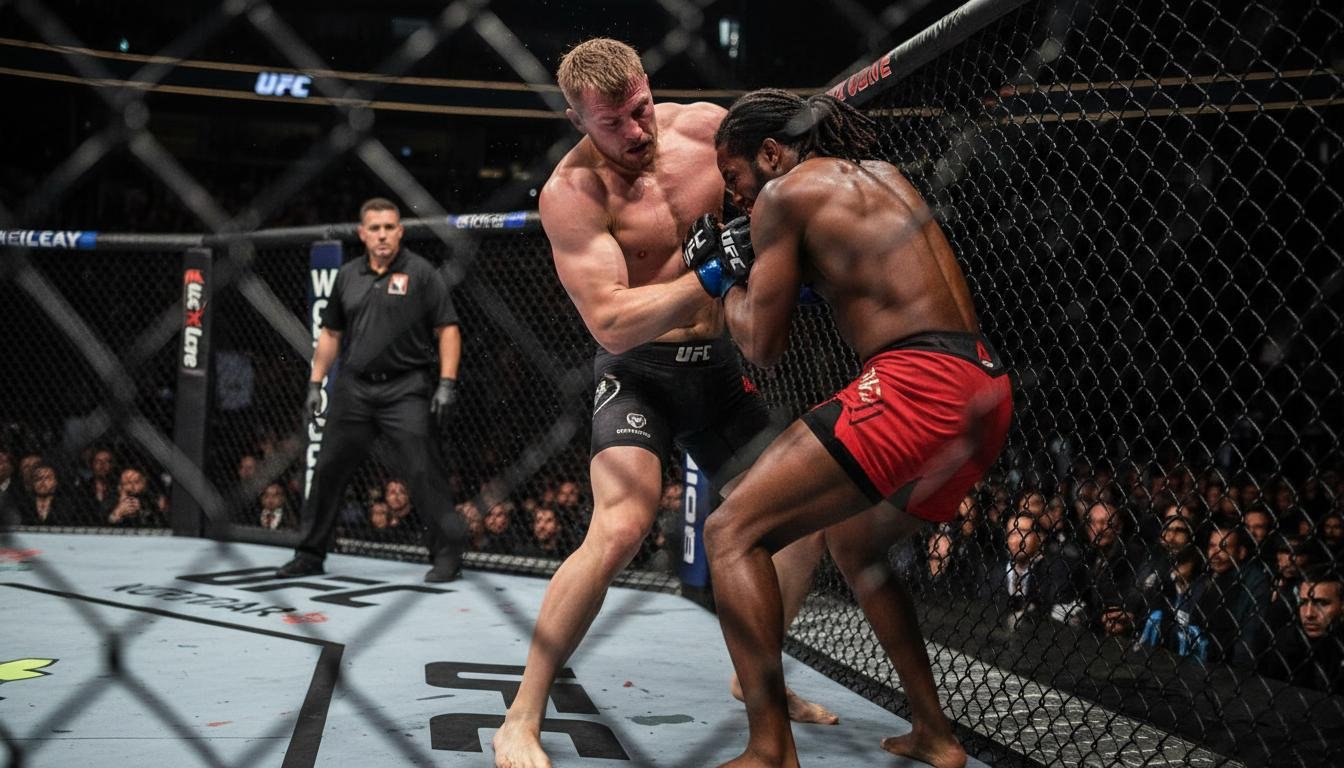
UFC. Betting strategy for ground control time

UFC. Betting strategy for ground control time

Betting on ground control time is one of the subtler edges a disciplined MMA bettor can exploit. It’s not as flashy as predicting a knockout, but when you understand the mechanics that drive control minutes, you can find mispriced props and live opportunities that the casual bettor misses. Why ground control time matters for bettors Top control often shapes rounds and outcomes in ways that aren’t obvious from punch counts alone. Judges award effective grappling and control, referees stop fights from dominant positions, and sustained control creates submission opportunities that change odds. From a betting perspective, ground control is measurable and repeatable: takedown success, time spent in dominant positions, and escape rates are trackable metrics. Those metrics let you convert qualitative scouting into quantitative edges for props and live markets. Core metrics to evaluate before you bet Not every stat carries equal weight. Focus on a short list of indicators that directly predict control time: takedown accuracy, takedown defense, average takedowns per 15 minutes, time in control (per fight), and scramble/reversal frequency. Below is a compact table that summarizes each metric and why it matters for ground-control betting. Metric Why it matters Where to check Takedown accuracy Predicts likelihood of successful takedowns when attempted UFC Stats Takedown defense Signals how often a fighter stays off the mat UFC Stats Average control time Directly measures how long a fighter keeps opponents on the ground UFC Stats / fight reports Submission attempts per 15 min Indicates aggressiveness and ability to finish from top UFC Stats Scramble/reversal rate Shows whether a fighter loses or regains control during exchanges Video review / fight logs Reading styles: how backgrounds predict control minutes Wrestlers and high-level sambo grapplers generally create more control time because their takedowns are geared toward maintaining top position. Look for entries that finish with a chest-to-chest top position rather than a body-lock to feet; the former tends to yield longer control sequences. BJJ specialists vary: some prefer submission hunting from mount and back control, which increases control time, while others spend more time in guard and sweep, producing less top control even if the fight is grappling-heavy. Recognizing the difference matters. Strikers who willingly engage in clinch work can also generate ground time, particularly if they have heavy upper-body trips or strong top pressure. Conversely, high-level counter-strikers with excellent takedown defense often suppress opponent control time, even against aggressive grapplers. Pre-fight checklist:…

UFC. Betting strategy for ground control time Read Post »
UFC. Live betting strategy when the pace changes

UFC. Live betting strategy when the pace changes

Live betting in the UFC is part craft, part pattern recognition, and part calm reaction under pressure. When a fight’s tempo shifts—fast to slow, slow to frenzied, or a sudden clinch-heavy stretch—odds move faster than a spinning backfist, and the bettor who understands why that change matters will find edges other players miss. This article breaks down how to read those changes, which live markets react most favorably, and how to manage bankroll and timing so you aren’t chasing volatility but using it to your advantage. Why pace matters more than you think Pace is the framework that tells you how a fight will unfold. Early blitzes favor short-range strikers, methodical accumulation suits wrestlers and grinders, and erratic tempo swings often hide cardio questions or tactical resets. Oddsmakers price fighters based on pre-fight expectations—style, record, and projected pace—so when actual flow deviates, the market must adjust. That adjustment is where opportunity lies. Sharp bettors and bookmakers react quickly, but retail bettors often delay, reacting emotionally to visible damage or crowd noise. If you can remain objective—measuring strikes landed per minute, takedown attempts, and control time—you can exploit lagging market moves. Pace shifts also reveal underlying attributes: conditioning, corner coaching, and willingness to change game plans. Reading those tells in real time separates lucky guesses from informed wagers. Key live indicators to watch Not all indicators are equally valuable during a live betting swing. Focus on metrics you can reliably observe: significant strikes landed per minute, clinch time, number and success rate of takedown attempts, guard recoveries, and visible breathing and posture. These are real, repeatable signals that often precede a sustained change in momentum. Video and feed latency complicate observation. Use a trusted, low-latency stream and cross-check with live stats where possible. UFCStats provides round-by-round breakdowns that might update slower than the broadcast, but they help confirm what you’re seeing. Also track referee behavior and ring (cage) geography. A referee who favors breaking clinches quickly changes the value of takedown-heavy strategies, and one who allows dominance positions to play out increases the importance of control time when live odds swing. How to translate indicators into betting choices Translate signals into specific markets: match-winner odds, round betting, method (KO/submission/decision) markets, and props like next significant strike or takedown. When pace increases dramatically in favor of one fighter, the match-winner and next-round markets will typically reflect that first; method markets react next.…

UFC. Live betting strategy when the pace changes Read Post »
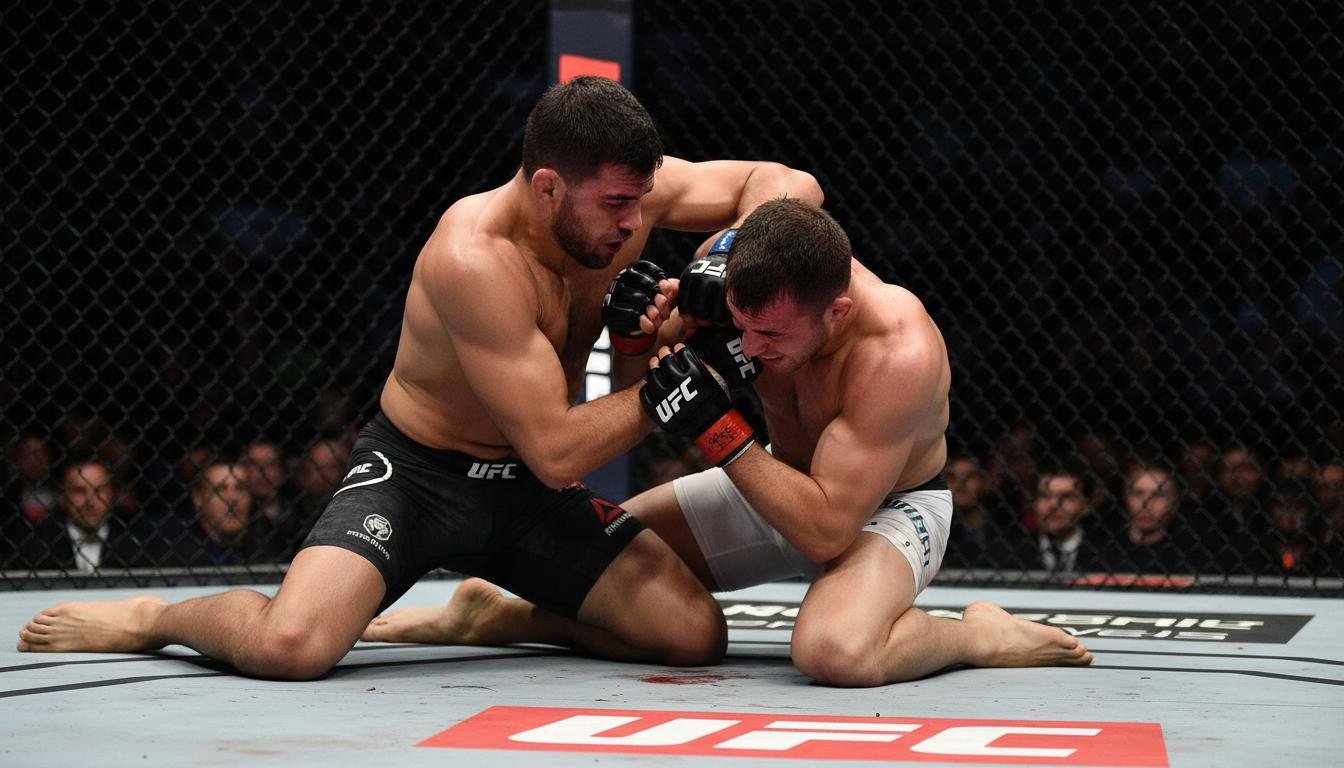
Boxing. Betting strategy for “counterpunchers”

Counterpunchers are the furtive artists of the ring: they wait, read, and explode when the opponent leaves a crack. For bettors, that patient style creates distinct edges but also requires patience and a sharper eye than backing obvious favorites. This article maps the practical, market-focused approach to wagering on fighters who thrive on timing and reaction rather than relentless pressure. Understand the counterpuncher style Counterpunchers prioritize defense, distance control, and timing. They typically absorb fewer shots per round, deliver fewer but more accurate punches, and rely on reading opponents' patterns to create high-value windows for strikes. That quieter stat line—lower output, higher accuracy—can mislead casual observers and some oddsmakers. A counterpuncher's value often appears late in a fight or in rounds where an aggressor tires and becomes predictable. How to spot counterpuncher opportunities in betting markets Market inefficiencies show up when public money favors an aggressive stylist regardless of matchup subtleties. Spotting opportunities means matching style to opponent traits: look for punch-happy fighters who leave openings, and for counterpunchers with tight defense and crisp timing. Pre-fight odds can underprice counterpunchers when bookmakers overweight recent KO highlights from opponents or ignore detailed punch stats. The smart bettor factors in matchup geometry—who governs range, who telegraphs shots, and who tends to panic when pressured. Key stats and signals to watch CompuBox metrics and round-by-round punch maps are invaluable for profiling counterpunchers. Focus on connect percentage, power-punch percentage, and punches absorbed per round rather than just total output. Also watch a fighter’s late-round performance trends and sparring/training reports that reference timing drills or counter-focused game plans. Trainers’ reputations matter: a fighter coached by a tactician known for defensive systems is likelier to execute a counterpunching approach under pressure. Metric Why it matters Counterpuncher profile Connect % Shows efficiency—higher means fewer wasted punches 50%+ overall with higher power-punch efficiency Punches absorbed/round Lower numbers indicate tight defense Under opponent average by 10–20% Late-round accuracy Ability to capitalise when opponent tires Maintains or improves accuracy after round 6 Betting tactics tailored to counterpunchers Value often appears in three forms: the pre-fight moneyline when public bias favors the aggressor; alternate lines that undervalue a counterpuncher’s late-round chances; and live bets that exploit round-level shifts. Each avenue requires different timing and sizing. Pre-fight value is real when a counterpuncher’s skill set lines up with an opponent who telegraphs. Shop lines early to catch bookmakers before they adjust to…

Boxing. Betting strategy for “counterpunchers” Read Post »

WWE. Betting strategy for WWE

WWE. Betting strategy for WWE

Betting on WWE is a different animal from wagering on traditional sports. The outcomes are scripted, storylines matter, and insider information can be as valuable as statistical form. If you approach it like a numbers-only market, you’ll miss the cues that matter; if you treat it as pure guesswork, you’ll lose discipline. This guide walks through practical, research-driven tactics that fit the unique reality of pro wrestling betting. Why WWE betting is unique WWE is sports entertainment: match results are typically decided in advance to serve storylines, character pushes, and business objectives. That means the “best athlete wins” logic doesn’t apply; instead, creative direction, contractual obligations, and audience reaction often determine outcomes. Recognizing that difference is the first step to building an effective approach rather than shoehorning pro wrestling into a normal sports-betting playbook. Because outcomes can pivot for non-performance reasons—injuries, last-minute creative changes, or cross-promotional deals—flexibility is crucial. Bettors who succeed are those who treat wrestling markets like a blend of rumor-tracking, odds analysis, and risk management. You’ll rely on public signals and private scoops in roughly equal measure. Markets to focus on and why Not every WWE market is worth your attention. Common options include match winner (moneyline), prop markets (method of victory, fall, title changes), futures (titleholder at a time), and live in-match markets. Each has different risk-return dynamics and sensitivity to backstage info or live-show variances. Moneyline bets on marquee matches at major events are often heavily juiced because public interest is high and insiders leak plans. Prop markets like "method of victory" or "will the title change" can present better edges if you have credible intel. Futures (e.g., who will be champion at the end of the year) can be attractive only when you spot long-term creative trends or contract expirations that the market is ignoring. Why props can outperform straight match bets Prop markets often pay better because fewer bettors understand the backstage signals that influence them. For instance, a heel getting increasing TV time and merchandise pushes suggests a title run is being built; props tied to title changes then become more informative. The market moves slower on niche props, giving informed bettors time to act. Props also let you express nuanced views: you can stake on a clean pinfall versus a DQ or interference, reflecting storyline trajectories. These finer bets can be hedged or combined in parlays for higher payouts, though hedging…

WWE. Betting strategy for WWE Read Post »

Boxing. Betting strategy for a rematch

Rematches are a different animal from first-time fights. The ring has already told a story once, and bettors, trainers, and oddsmakers all try to read the corrections and overreactions that follow. This article walks through how to approach a rematch analytically and strategically—what to value, what to ignore, and how to size bets so a single emotional call doesn’t erode your bankroll. Why rematches produce unique betting opportunities A first fight is dominated by unknowns: styles that haven’t directly met, game plans that haven’t been tested, and nerves that can tilt an outcome. A rematch removes some of that uncertainty. You know what worked, what failed, and which adjustments are feasible between camps. Oddsmakers respond to this clarity, but not always cleanly. Public narratives—blowout, controversial decision, miraculous comeback—distort the market as much as technical adjustments. That distortion is where disciplined bettors find value. Key variables to model for rematch edges Successful rematch betting hinges on quantifying adjustments rather than re-judging the entire matchup. Start with these variables: tactical changes, physical condition, psychological momentum, timing between fights, and external factors such as location or officiating tendencies. Tactical changes are the easiest to assess objectively. Did the losing fighter get clipped by a specific punch repeatedly? Has their trainer historically corrected that weakness? Look for measurable interventions—new footwork, a different stance, or a shifted work-rate that are visible on tape and backed by trainer reputation. Physical condition and ring rust matter. Fighters coming back quickly after a brutal fight may underperform, while the winner who barely broke a sweat might regress. Consider age, injury reports, sparring notes, and weight-cut difficulties; these are predictive when combined with historical recovery curves. Reading line movement and market psychology Lines on rematches often overreact to narrative. A controversial decision can push the loser into favorite territory in the second bout simply because bettors want to “correct” the record. Conversely, a clear knockout tends to lock public belief in the winner’s superiority. What to watch: early sharp money from reputable books, public betting percentages, and timing of moves. If reputable syndicates move a line early and it sticks, that usually reflects inside info or heavy technical conviction. Late, public-driven shifts are safer to fade if you have contrary data. Types of rematch scenarios and how to approach them Not all rematches are created equal. I find it helpful to categorize them and apply distinct rules of thumb.…

Boxing. Betting strategy for a rematch Read Post »

Boxing. Betting strategy for “knockout/technical knockout”

Boxing. Betting strategy for “knockout/technical knockout”

Knockouts and technical knockouts are the headline moments fans remember, and for many bettors they represent one of the most attractive — and volatile — ways to wager on a fight. This article walks through how markets treat KO/TKO outcomes, what to look for in fighters and matchups, how to manage risk, and practical tactics you can use both before a fight and in-play. I’ll mix data-driven signs with real-world sense, plus a few lessons from my own bankroll experiments. How the KO/TKO market differs from straight moneyline betting When you bet on knockout or technical knockout outcomes, you’re narrowing the set of possible results to stoppages rather than decisions. Bookmakers often price KO/TKO markets differently from moneyline markets because stoppages are less common and depend on in-round dynamics, fighter durability, and officiating tendencies. Unlike moneyline odds that reflect winners regardless of method, KO/TKO prices must absorb the lower base rate of stoppages and the uneven distribution of those stoppages across weight classes and styles. Heavyweights usually have higher stoppage rates than lightweights, and that skews market pricing. What actually makes a stoppage more likely There’s no single stat that guarantees a knockout, but a cluster of indicators reliably raises probability. Punching power and finishing ability matter, but so do opponent durability (chin), historical stoppage distribution by round, and a fighter’s tendency to quit or be saved by their corner or referee. CompuBox-style metrics — punches thrown, power punches landed per round, and connect percentage — are particularly useful. A fighter who lands high-power-punch percentages while maintaining pressure is more likely to force stoppages than a high-volume, low-power boxer who wins on points. Style matchups and timing inside the fight Matchups are king. Two sluggers facing off increases stoppage likelihood, but a power puncher versus an elite defensive boxer may produce a low stoppage probability if the boxer neutralizes exchanges. Equally, an aggressive inside-fighter against a long-range counterpuncher can create late-round stoppage opportunities as stamina and openings change. Stoppages cluster in middle-to-late rounds when fatigue sets in and defensive lapses occur, or in early rounds when elite punchers catch less experienced opponents. Look for fighters who either finish fights early by design or who consistently wear opponents down to the point of stoppage. Reading the odds: implied probability and value Translate odds into implied probability and compare that to your subjective estimate based on research. If a bookmaker prices a…

Boxing. Betting strategy for “knockout/technical knockout” Read Post »

Boxing. Betting strategy for “favorite to win by points”

Boxing. Betting strategy for “favorite to win by points”

Backing a favorite to win by points is a specific, often profitable niche in boxing betting that rewards careful study and patience. It’s not enough to pick the pre-match favorite; you need to understand styles, stoppage likelihood, judge tendencies, and how odds reflect those realities. This article walks through the reasoning, data points, staking approaches, and practical steps to place smarter bets when you think the stronger boxer will grind out a decision rather than score a knockout. What exactly does “favorite to win by points” mean? When a bookmaker offers a market for a favorite to win by points, they are separating outcomes: a win by knockout, TKO, disqualification, or a victory on the judges' scorecards. A bet on “win by points” pays only if the chosen fighter completes the scheduled rounds and is declared the winner on the scorecards. That distinction matters because some favorites are legitimate knockout artists while others are precision boxers who rarely get stoppages. Odds for this market incorporate both the chance the fighter wins the match and the chance the match goes the distance without a stoppage. Knowing how to read that combined probability—and separate it into its components—is the first step toward finding value. That requires both qualitative scouting and quantitative measures like knockout rate and round-by-round durability. When this strategy makes sense Betting the favorite to win by decision is most attractive when the favorite has a low recent KO rate, faces an opponent with strong chin and defensive skill, or when the bout is scheduled for many rounds between disciplined technicians. A boxer who wins overwhelmingly on points but seldom stops opponents in recent fights fits perfectly. Styles matter more than names. A pressure fighter with heavy hands against a durable counterpuncher creates a real stoppage risk, which hurts the value of a points-only wager even if the pressure fighter is favored to win. Conversely, a slick, mobile southpaw who outpoints opponents over and over will often present good value in the decision market. How to read odds and calculate implied probability Odds convert to implied probabilities; that’s basic but essential. In decimal odds, subtract the vig (or use the bookmaker’s built-in vig for your calculations) and compute the implied chance that the favorite wins by points. Comparing your own estimated probability to the implied one reveals value. If you estimate a 60% chance and the odds imply 50%, you’ve…

Boxing. Betting strategy for “favorite to win by points” Read Post »

Boxing. Betting strategy for stance difference

Boxing. Betting strategy for stance difference

Stance isn’t the only factor that decides a fight, but it’s one of the few technical edges that can swing odds and create value for a disciplined bettor. When a southpaw meets an orthodox fighter the geometry of the ring changes: angles open, jabs lose and gain importance, and small positional details become exploitable. This article walks through why stance matters, how to read those advantages before and during a fight, and how to translate that reading into a repeatable betting strategy. Why stance matters: the mechanics behind the numbers At its core, boxing is a sport of angles. An orthodox fighter (left foot forward) and a southpaw (right foot forward) line up their power hands on opposite sides, which changes where each fighter’s strongest punches will come from and what defensive habits they must adopt. Foot placement, lead-hand timing, and the ability to step outside an opponent’s strong side are simple-sounding elements with complex consequences in action. Rarity compounds the mechanical difference. Most fighters train predominantly against orthodox opponents. When a southpaw appears, the orthodox fighter often has fewer rehearsed patterns for the mirror-image dynamics they must face. That unfamiliarity can show up in timing errors, poor lead-foot positioning, or overcommitment to the jab—issues that smart opponents and savvy bettors can exploit. Lead foot and the outside angle One of the clearest tactical battlegrounds is the battle for the lead foot. Whoever secures the outside foot gains a superior angle for the straight power hand and can limit the opponent's line for their own power shots. This foot war is constant and subtle: a few inches shift the striking lanes, creating openings or closing them. For bettors, watching how fighters engage that foot battle early—who pushes the positioning and who yields—gives a reliable signal. A southpaw who consistently gets the outside foot against a mid-level orthodox opponent often starts winning rounds on geometry alone, even without landing a flurry of highlight punches. Jab, straight, and counters The jab changes role in opposite-stance matchups. The orthodox jab must clear the southpaw’s lead hand more often, while the southpaw’s jab can line up on an angle that feeds the straight power shot. Similarly, counters—particularly the straight rear hand—find clearer lanes when lead feet and head positioning favor them. These technical effects explain why some southpaws enjoy statistical edges in landing straight lefts, and why switch-hitters who can feign a stance change…

Boxing. Betting strategy for stance difference Read Post »

UFC. Betting strategy for “underdogs” in the UFC

Betting on underdogs in MMA feels like looking for treasure in a crowded room: the obvious stuff is overlooked, but the clues are there if you know what to look for. This article lays out a practical, research-driven approach to finding value when the public favors the favorite, mixing strategy, analytics, and real-world habits that reduce risk while hunting outsized returns. Why underdogs deserve attention Favorites win a lot in MMA, and that’s part of the appeal: steady results and predictable payouts. But the betting market prices those favorites based on consensus and emotion, not always on the granular matchup data that predicts how a fight will play out. Underdogs matter because market inefficiencies exist. When public perception, stylistic mismatch, or recent noise (a social-media storm, an injury rumor) shifts the line more than the underlying fight dynamics justify, a patient bettor can capture value. Understanding odds and implied probability You can’t beat the market if you don’t speak its language. American odds translate directly into implied probability, and converting those figures is the first step in determining whether a bet is fair value. When you compare your calculated chance of a fighter winning to the implied probability from the sportsbook, any positive difference represents potential value. That gap is where underdog opportunities live. Odds (American) Implied probability +300 25% +200 33.3% -150 60% Those conversions are simple but vital. If your model or read of a matchup suggests an underdog has a 35% chance while the market implies 25%, you’ve identified a +10% edge worth exploring. Building a reliable view: stats, film, and models Good information beats gut feelings. Start with UFC Stats for objective metrics like significant strikes landed per minute, takedown accuracy, and defense rates, then layer in qualitative film work: timing, range management, and fight IQ. Combine data with a lightweight model to quantify your view of each matchup. It doesn’t need to be fancy—an Elo-style or logistic regression model with a handful of variables can separate legitimate value from wishful thinking. For bettors who prefer a human touch, scouting should focus on style edges. A high-rate wrestler with poor takedown defense facing a guard with low scramble success creates a predictable path for controlling rounds—exactly the kind of angle the market sometimes underestimates. Bankroll management and staking: protecting your edge Finding edges is only half the battle; preserving capital lets you exploit them over time.…

UFC. Betting strategy for “underdogs” in the UFC Read Post »

UFC. Betting strategy for “fighter vs. striker”

UFC. Betting strategy for “fighter vs. striker”

The meeting of a grappler-style fighter and a pure striker is one of mixed-martial-arts' most reliable narratives — and one of the most bet-on matchups for a reason. Bets placed here hinge on styles more than personalities: will the takedowns come, or will the stand-up finish first? This article walks through how to read those styles, which markets offer the clearest value, how odds reflect (and sometimes misread) stylistic edges, and how to turn that reading into repeatable, disciplined wagers. Defining the terms: fighter versus striker When bettors and pundits say "fighter" in this matchup, they usually mean a competitor whose game centers on wrestling, judo, or sambo — takedowns, top control, and submissions. The "striker" is the opposite profile: someone who prefers distance, footwork, combinations, and finishes standing up with punches, kicks, elbows, or knees. These are simplifications. Many elite athletes blend skills, but the distinction matters because it predicts where the fight will be decided: on the feet where volume and timing dominate, or on the mat where control and positional dominance do. Betting decisions should begin with style maps, not hype. Why style trumps name in these matchups Public betting habits often track popularity, Twitter trends, or highlight reels. But in fighter-vs-striker fights, the core determinants are measurable: takedown accuracy, takedown defense, striking differential, clinch success, and top-control minutes. Those numbers tell you how often the fight goes where a fighter is strongest. I learned this after a string of small stakes losses early in my betting experience. I stopped chasing highlight-reel KOs and started weighting takedown defense and control time. The results improved because I was aligning wagers with what actually happens across three rounds, not what replay packages sell. Quantitative markers that matter Not all stats carry equal weight. Prioritize takedown accuracy and takedown defense first, then top control time, then significant strike differential. A striker facing someone with a 55–60% takedown success who averages five takedowns per 15 minutes will rarely be comfortable in a brawl. Context matters: a fighter's takedowns might come in late rounds while a striker's best work occurs early. Split those temporal patterns into your assessment — a striker with excellent early output but poor cardio is a different bet than a consistent pressuring striker. Interpreting the line: how bookmakers price these fights Bookmakers set lines to balance books, not to predict outcomes perfectly. For fighter-versus-striker bouts, initial lines often…

UFC. Betting strategy for “fighter vs. striker” Read Post »

UFC. Betting strategy on “victory by points”

Betting on a fighter to win by points is a quieter, more cerebral corner of MMA wagering. Instead of chasing knockouts and dramatic stoppages, this approach asks you to read judges, styles, and pace—then back a fighter to grind out rounds. The rewards are steadier, but only if you know exactly what variables push a bout to the scorecards. What "victory by points" means and how judges decide Under the 10-point must system, judges award the round 10-9 to the perceived winner in most cases, with 10-8 or 10-7 reserved for dominant rounds. The final decision depends on the accumulation of those round scores across three or five rounds, and small margins add up quickly. Judges score rounds using effective striking, grappling, aggression, and cage control as guiding criteria. That makes control time and steady output disproportionately valuable in close fights—fighters who manage rounds without finishing often win by decision more than they receive credit for in casual viewing. Why bettors pursue points bets Points bets reduce variance. You’re not relying on a single punch or a lucky scramble; you’re betting on consistent performance throughout a fight. For disciplined bankrolls and long-term strategies, that lower-variance profile is attractive. Bookmakers price decisions differently than straight moneyline fights because method-of-victory props carry added uncertainty. When you find a mismatch between the implied probability of a points outcome and your read of the matchup, there’s value to be had. Traits that make a decision more likely Some fighter profiles tend to produce decisions. High-volume technical strikers who accumulate strikes without a single heavy, fight-ending shot often outpoint their foes over rounds. Similarly, wrestlers who control position and run the clock without finishing can rob opponents of scoring opportunities while staying from danger. Defensive fighters with solid takedown defense but limited knockout power also fit the decision mold. If both competitors lack a reliable finishing sequence, rounds will be the battleground—and judges will decide the winner. Cardio and fight IQ add to that equation. Fighters who pace themselves well and adjust to an opponent’s rhythm are better at stealing rounds late, producing outcomes that favor decisions rather than early stoppages. Quick comparative table: indicators favoring decision vs. finish Indicator Favors decision Favors finish Significant strike differential Small to moderate advantage Large advantage with power strikes Finishing percentage Low to moderate High (KOs/Subs) Control/takedown time High control, low submission attempts High submission attempts or ground-and-pound…

UFC. Betting strategy on “victory by points” Read Post »

Boxing. betting strategy for “clinchers”

Boxing. betting strategy for “clinchers”

Clinchers are the problematic, stubborn figures in a fight—fighters who neutralize offense by tying an opponent up, smothering combinations, and forcing the referee to break. To the casual fan it can feel like a drag; to a sharp bettor it’s an exploitable pattern. Recognizing when a bout will be dominated by close-range grappling changes how you judge totals, round props, and live opportunities. This article lays out practical scouting cues, the data you should track, and a step-by-step betting framework for fights likely to feature heavy clinching. I’ll draw on punch-rate studies, betting-market behavior, and real-world experience watching dozens of tapes and live markets to show how to tilt the odds in your favor without chasing noise. What a clincher actually does to a fight Clinching is defense masquerading as offense: wrap an opponent to stop punches, reset position, or bleed time between flurries. It reduces effective punch volume, breaks rhythm, and often forces a fight toward the scorecards because it blunts power exchanges that lead to knockouts. Referees vary in tolerance, and that variability matters. Some refs separate aggressively and reward inside-fighting, while others allow prolonged holds. That inconsistency can swing markets because it changes how a style matchup resolves over twelve rounds versus six. How clinchers move betting markets Markets respond to predictability. If a fighter with a history of clinching faces an opponent who doesn’t handle the inside well, totals often drift lower and decision odds shorten. Conversely, when a cleaner, distance-striking opponent shows the ability to control range, KO lines tighten. Pre-fight lines incorporate more than styles: recent output trends (punches per round), opponent quality, and referee history all play into the price. Live markets react faster: a few successful clinches early can send the live Over/Under for rounds or totals tumbling as traders mark down the knockout potential. Key data points to track Not all stats are created equal. Focus on a compact set that truly predicts clinch-heavy outcomes. Average punches landed per round and punches thrown per round (from CompuBox)—low output suggests longer clinches or stalling. Percentage of inside-range exchanges—the more a fighter wins at close quarters, the higher the chance the bout stays tactical. Referee separation tendencies—review recent fights to see how often a ref breaks and penalizes holding. Foul and point-deduction history—fighters who clinch and foul increase volatility in judges’ eyes, often pushing decisions. Stamina and pace across late rounds—fighters who slow…

Boxing. betting strategy for “clinchers” Read Post »

Boxing. Betting strategy for “win in a specific round”

Boxing. Betting strategy for “win in a specific round”

Placing a wager on which round a boxer will win is one of the most thrilling and precise forms of fight betting. It’s not enough to predict a winner; you must forecast timing — will a sharp counterland in round three, or will pressure break an opponent in round eight? That extra layer of specificity offers higher returns and demands a different discipline from typical match betting. What a "win in a specific round" bet actually means A "win in a specific round" wager requires you to pick not only who wins but when the stoppage or knockout occurs. If you back Fighter A to win in round four, you collect only if Fighter A stops or knocks out the opponent in that exact round. Bookmakers vary on exact conditions: some accept the bet for knockouts and stoppages only, while others include technical knockouts and referee stoppages. Always check the market rules for that sportsbook before laying down money. Why bettors are drawn to these wagers The attraction is simple: the odds are richer than a straight match bet. Predicting a round narrows possibilities dramatically, so bookmakers pay more for successful calls. For many recreational bettors the payoff justifies the added research and patience. Beyond returns, round betting lets you leverage knowledge that a simple “who wins” market ignores — factors like fight pace, injury history, and a fighter’s tendency to slow in later rounds can make specific round predictions valuable. How to identify rounds with genuine value Value starts with patterns. Analyze past fights for when each boxer tends to be most effective. Fighters who open aggressively and land big power early often produce stoppage chances in rounds one through four. Conversely, grizzled pressure fighters and bodyworkers more frequently create stoppages in the middle rounds, when fatigue and damage accumulate. Look for telltale signals in recent camps: a spike in early knockouts in sparring reports, changes in fight strategy announced by trainers, or weight-cutting issues that indicate a fighter may gas early. Those soft signals are often underpriced in opening markets. Also compare matchup styles. A high-volume jabber with limited power is unlikely to deliver early stoppages against an elite counterpuncher, but that same jab can win rounds and create a late stoppage through accumulation. Matchup-specific dynamics can push a round bet into value territory. Reading fighters' records and tendencies BoxRec and CompuBox data help you move beyond raw…

Boxing. Betting strategy for “win in a specific round” Read Post »

UFC. Live betting strategy after the 1st round

Watching the final horn of round one is a pivot point for any sharp MMA bettor. By then you’ve seen how the fighters’ game plans translate to real action: who lands, who gasps, who controls the mat. That information is brief, noisy, and extremely valuable — if you know how to read it and how to act quickly without getting swept up by adrenaline or public money. Why round one matters more than it looks The first round is where intention meets reality. Pre-fight lines are built on styles, records, and intangible narratives; after round one, those narratives either hold or unravel. A fighter who dominated striking exchanges and visibly hurt the opponent will usually see the market move hard, and that move can create value if you act rationally. Conversely, a favorite who used excessive energy to secure early success can fade in later rounds. The first round gives you a snapshot of cardio, will, and execution — three variables that are core inputs to any live decision you make. Successful live betting is often less about prediction and more about correctly interpreting those inputs faster than the market does. Immediate cues to assess at the bell Damage and visible hurt Count the cumulative visible damage: swollen eyes, cuts, wobble, stumbling. One clean indicator — a fighter who smells like knockout — is worth more than any landing differential on a live feed, because visible damage strongly correlates with late-fight effectiveness and stoppage probability. However, don’t overweight a single flash knockdown. Some fighters recover quickly, and referees have become conservative about early stoppages. Use damage as part of a pattern, not as a single data point. Striking volume, accuracy, and intent Look beyond raw output and watch accuracy and intent. A high-volume approach that lands mostly jabs and gets countered is different from lower-volume, high-impact striking that visibly stuns. After round one, effective striking efficiency is a better predictor of the next two rounds than sheer output. Also note who is dictating distance. If a fighter consistently imposes range control — forcing the opponent to hustle in — it’s a stamina tax. That manifests often in round two and three, so it’s a useful early indicator for live round and decision markets. Takedowns, scrambles, and grappling control Takedown success and grappling control have outsized value when betting live. A single takedown that turns into two minutes of control suggests…

UFC. Live betting strategy after the 1st round Read Post »

Boxing. Betting strategy for “home fighter”

Boxing. Betting strategy for “home fighter”

Home advantage in boxing feels intuitive: crowd noise, familiar locker rooms, and the subtle sway of local judges. Yet turning that intuition into a repeatable betting edge takes more than cheering for the favorite; it requires careful data, disciplined staking, and an honest appraisal of when home advantage truly matters. This article walks through the mechanics of the home-fighter edge and offers practical tactics you can apply whether you’re backing a hometown prospect or trading an underdog during live action. Why the home advantage exists in boxing Unlike team sports, boxing is a one-on-one contest with subjective scoring and plenty of human judgment. Home advantage arises from several interacting forces: psychological boosts for the host fighter, travel fatigue or time-zone effects for the visitor, and subtle influences on officiating and judging that accumulate over rounds. These influences don’t act uniformly. In regional cards where officials are local or inexperienced, the crowd’s reactions and the referee’s interpretations can tilt close rounds. In major international fights, neutral officials and tighter operations reduce—but don’t eliminate—those biases. How bookmakers price the home fighter Bookmakers set opening lines based on objective variables: records, weight, styles, recent form, and public perception. When a fight is held in a fighter’s hometown, bookmakers often bake a small premium into the line to account for both real performance effects and bettor sentiment favoring local fighters. That premium varies by market and by the profile of the fight. Lower-tier cards with local fanbases and smaller pools of informed bettors tend to show larger home premiums; big marquee fights on global sportsbooks are more efficient, with smart money quickly adjusting odds. Quantifying the edge: what data matters To decide whether a home fighter is worth backing, focus on measurable factors: travel distance and recovery time, judging panel nationality, recent performance in away fights, and objective fight metrics like CompuBox output. Each factor nudges probability; combined they can reveal whether a perceived advantage is real or just hype. Historical records are useful. BoxRec provides fight records and locations, while CompuBox supplies punch stats that help differentiate hollow numbers from genuine ring control. Checking line movement on exchanges like Betfair or aggregators like OddsPortal can show where sharp money lands and whether the home price is pure public bias. Pre-fight checklist for betting the home fighter Before you stake money, run a quick checklist: did the visitor travel far? Are the judges from…

Boxing. Betting strategy for “home fighter” Read Post »

UFC. Betting strategy for “method of victory”

Betting on how a fight ends is one of the most thrilling — and technically demanding — parts of wagering on mixed martial arts. Method markets (KO/TKO, submission, decision, sometimes DQ or draw) pay differently than simple moneylines, and they require a different blend of stylistic reading, numbers, and timing. This article walks through the practical tools, tactical patterns, and discipline you need to approach method bets with an edge. Understanding method-of-victory markets Method markets give you choices beyond which fighter will win. Bookmakers split the universe of outcomes into categories that reflect finishing styles: knockout (KO/TKO), submission, and judges’ decision. Each market carries its own volatility and typical pricing patterns that smart bettors can exploit. Odds for methods are driven by a few observable features: each fighter’s historical finishing rates, the matchup’s stylistic profile, and market money flow. Understanding how sportsbooks aggregate those signals into lines is the first step toward finding value, because bookmakers are conservative in markets with high variance and tend to inflate prices for low-frequency events. Method bets differ in implied probability and vig from moneylines. For example, a favorite with high knockout power might have a modest negative moneyline, while the KO/TKO market could inflate to capture that power’s scarcity. Recognizing when the propaganda of a highlight reel inflates an outcome’s price is crucial. How bookmakers structure method markets Bookmakers typically price methods using a combination of statistical inputs and expected market behavior. They start with each fighter’s rates — striking accuracy, significant strikes absorbed, takedown success, submission attempts, and finishes per 15 minutes — then adjust for matchup context and public perception. The resulting odds reflect both statistical expectation and the bookmaker’s risk-management choices. Margins are often wider on methods because the sample sizes for specific outcomes are smaller and the variance is higher. That means the bettor needs either a strong informational edge or disciplined staking to overcome the extra juice. Look for methods where your research produces a materially different probability estimate than the market’s implied probability. Live-market adjustments also matter. Lines for method bets can shift dramatically after weigh-ins, announced injuries, or when public money pours onto a favorite. Having a plan for when to act — pre-fight, post-weigh-ins, or in-play — is part of treating method bets like a trading decision rather than a speculative toss. Data points that matter most Not all stats are equally useful for predicting…

UFC. Betting strategy for “method of victory” Read Post »

UFC. Betting strategy for significant strikes

Significant strikes are the language of a fight — they measure who is landing with intent, accuracy, and dominance. In this piece I’ll show a practical, data-driven approach to betting on significant strikes that mixes statistics, fight-context reading, and live adjustments. Whether you want to place a prop on total significant strikes or a fighter’s individual number, the framework below will help you find edges. Why significant strikes matter more than you think Significant strikes are the metric sportsbooks and statisticians use because they capture meaningful offensive output: jabs, power punches, kicks, and elbows that actually affect the opponent. Unlike total strikes, which include brief taps and non-damaging contact, significant strikes correlate more closely with fight outcomes and visible dominance in rounds. For bettors, significant strikes offer two advantages: they're quantifiable and they behave like a continuous variable you can model. You can estimate a fighter’s likely output using historical rates, then compare that expectation to a posted prop line or in-play market to look for value. But numbers alone mislead if you ignore context — opponent style, takedowns, clinch frequency, and fight tempo all reshape strike opportunities. Good betting combines the stat line with a clear read of how the match will be fought. Key metrics to evaluate before placing a bet Start with the core UFC Stats figures: significant strikes landed per minute (SLpM), significant strike accuracy, significant strikes absorbed per minute (SApM), and opponent control metrics like takedown rate and clinch time. These numbers form the skeleton of any predictive model for strike totals. Other useful signals include leg kick frequency, distance vs. clinch striking splits, and round-by-round decay patterns — fighters who sprint early then gas out produce predictable curves. Use weighted averages that emphasize recent fights and quality of opponent to avoid being misled by outliers. Metric What it tells you Suggested use SLpM Primary offensive tempo Base expectation for strikes landed Significant strike accuracy Conversion rate of attempts to meaningful strikes Adjust SLpM upward/downward SApM How many strikes a fighter usually concedes Combine with opponent SLpM to estimate totals Takedown rate / TD defense How often striking opportunities are removed Reduce expected significant strikes if takedowns likely Use the table as a checklist when you size up a prop. Each metric is a lever you can pull to move your expectation of the total number of significant strikes in a fight or round. Building…

UFC. Betting strategy for significant strikes Read Post »

UFC. Betting strategy for fighters who depend on the first round

Betting on fighters who are built to win fast can be both exhilarating and hazardous. You’re chasing high-variance outcomes: a blink-and-you-miss-it knockout or an empty-handed decision that wipes out the stake. This article breaks down how to identify true first-round specialists, which markets reward their strengths, and the disciplined approaches that turn sporadic wins into an edge. Understanding what “first-round” fighters really mean Not every fighter who finishes quickly is a one-round specialist. Some have an aggressive style but gas out; others possess pinpoint timing and consistently end fights early. The first task is separating genuine first-round threats—fighters whose offense, timing, and fight plan are tailored to create finishes early—from those who merely open fast but don’t sustain effectiveness. Look beyond highlight reels. A true first-round finisher combines measurable elements: a high knockout or submission percentage overall, a short average fight time, and repeatability against varied opponent types. Context matters: opponent skill, fight incentives, and even short-notice dynamics can turn a probable first-round finish into a deeper fight. Key metrics to evaluate before placing a wager Data is the odds-maker’s language. The core metrics to review are finish rate (percentage of fights ending in KO/TKO or submission), average fight time, strikes landed per minute in the opening round, takedown success in round one, and opponent durability metrics such as strike absorption and recovery history. These combine to form a reproducible profile rather than a gut-based pick. Pay attention to split metrics for round one specifically. Some fighters have mediocre overall finishing stats but an unusually high percentage of finishes in the first five minutes. Cross-referencing these with opponent styles—strikers, wrestlers, grapplers—reveals matchup edges where a short, violent opening favors the attacker. Metric Why it matters First-round finish rate Direct indicator of early finishing ability; shows repeatability. Average fight time Indicates whether finishes are frontloaded or late. Strikes landed (R1) Measures opening round activity and accuracy under initial pressure. Takedown success (R1) Shows whether a fighter can immediately impose grappling to end a fight. Which betting markets suit first-round specialists Not all markets are created equal for these fighters. The simplest and often most profitable choices are round props—betting on a fight to end in round one—or moneyline bets when the odds reflect the finisher’s profile. First-round parlay legs can offer shimmeringly attractive returns, but they multiply variance and require smaller bet sizing. Consider alternative markets too: method-of-victory props (KO/TKO vs.…

UFC. Betting strategy for fighters who depend on the first round Read Post »

UFC. Betting strategy for “rematches”

UFC. Betting strategy for “rematches”

Rematches in the UFC offer something every bettor loves: a clearer map than a brand-new matchup. The first fight reveals strengths, weaknesses, and habits; the rematch reveals how those findings are acted upon. If you want to move beyond gut feelings and sensational lines, learning to read adjustments and context is where consistent advantage lives. Why rematches deserve a special playbook Rematches are less random than first meetings. Fighters and camps come into the second bout with a dossier: film, injury reports, and, often, a public narrative. That knowledge compresses uncertainty and lets you focus on which variables actually change between fights. Oddsmakers price rematches with more nuance, but the market still misreads several human elements—confidence swings, camp changes, and the lingering psychological effect of a decisive finish. Those misreads create edges for bettors who dig deeper than the headline result. Start with the tape: what the first fight really tells you Watching highlights is not the same as coding the fight. For a rematch, catalog the exact ranges and scenarios that produced trouble: clinch control, takedown entries, counter-punch timing, cardio lapses on round three. Note how each exchange ended, not just the finish. Quantify what you can. How many takedown attempts did the wrestler land? How often did the striker get tagged in transitions? A handful of concrete metrics will do more for your edge than vague impressions about “momentum.” Use the numbers to ask targeted questions: did Fighter A win because of volume or unusually successful counters? Psychology and camp changes: the narrative behind the numbers A rematch is a story with a chapter in between. Did the loser switch camps, hiring specialized striking coaches or a wrestling expert? Did the winner take time off to recover from injuries? Those choices shape game plans and signal expected adjustments. Mindset matters too. A decisive finish—knockout or submission—can leave the vanquished fighter more driven and more willing to take risks. Conversely, a controversial or close decision can harden a champion’s approach. Track interviews, social media, and reputable insider reports to read that psychological tape. Adjustment patterns: what top camps actually change History shows certain predictable adjustments in rematches. Wrestlers tend to chain takedown setups differently if the first attempt was well defended. Strikers often change angles and distance management after being repeatedly hit on the same line. These are tactical, not miraculous, changes. Look for specific technical changes between camps:…

UFC. Betting strategy for “rematches” Read Post »

UFC. Betting strategy for “fighting against the fence”

UFC. Betting strategy for “fighting against the fence”

There are moments in every UFC card when the action grinds against the cage and everything important happens in a five-foot radius of canvas and metal. Betting on those moments requires a different eye than backing a striker who lives in the center of the octagon; the metrics are different, the outcomes are skewed toward scrambles, submissions, and referee intervention, and the lines can move hard once the first clinch tells a story. This article unpacks how to evaluate fighters who fight against the fence, how to turn that evaluation into smart pre-fight and live bets, and which specific signals separate value from noise. Why the fence matters in MMA betting Fighting against the fence changes the dynamic of an MMA contest. Ring generalship shifts: momentum becomes more about pressure and positional control than about distance striking, and rounds scored by judges often reward octagon control and damage that’s hard to quantify into headline strike totals. For bettors, that means the usual indicators — significant strikes landed or a fighter’s knockout power — are only part of the story. A wrestler who pins an opponent on the fence for two minutes can strip the center of the cage, drain cardio, and open the door for takedowns or short-range ground-and-pound that don’t always register as prolific striking numbers. Key fighter traits to evaluate Start with technical traits that correlate with successful fence work: the ability to secure underhooks, wrestle standing, and convert clinches into takedowns. Fighters who consistently win the clinch tend to have a toolkit that includes head position, lateral movement against the cage, and a repertoire of short elbows and knees that score between rounds. Equally important are physical and psychological traits. Cardio determines whether sustained pressure will wear an opponent down or flip into exposure when the aggressor gasps. Mentality matters too: fighters comfortable in dirty boxing and scrambles will thrive; those who panic on the fence will concede position and invites reversals. Traits to prioritize Look for a history of takedowns and control time, not just takedown attempts. A high takedown attempt rate with poor conversion is a warning sign. Conversely, modest takedown numbers plus long control time signals someone who pins opponents on the fence and dominates position. Takedown defense is the mirror trait; a vulnerable fighter who gets dragged to the fence every time they miss a jab creates consistent scoring opportunities for opponents. Also…

UFC. Betting strategy for “fighting against the fence” Read Post »

Boxing. Betting strategy for title fights

Boxing. Betting strategy for title fights

Title fights carry a different atmosphere: brighter lights, tighter odds, and outcomes that can hinge on a single round. This article maps practical, data-driven ways to approach wagering on championship bouts so you don’t simply join the crowd — you understand why the crowd is moving and when to stand firm. I’ll share research habits, money management rules, market mechanics, and in-play tactics that are useful for serious bettors. Why title fights demand a different approach Championship fights are often tighter affairs than tune-ups or undercard bouts. Champions and top contenders usually pull fewer head-scratching performances because styles, training camps, and the stakes all align to reduce variance. That means upsets still happen, but they’re less frequent and usually driven by specific factors you can study. Another practical difference: public money concentrates more heavily on title fights. Casual fans deposit their feelings about champions into the market, which can skew lines and create value on the other side. Recognizing when the market is reacting emotionally is the key to finding profitable edges. What to research before placing a bet Start with the fundamentals: recent activity, camp reports, and how the fighters have handled similar pressure. Look beyond records. A 27-1 champion who has been inactive for 18 months is a different betting prospect than a 27-1 fighter who’s fought regularly. Analyze styles. “Styles make fights” is not a cliché here — it’s a functional guideline. A high-volume pressure fighter can frustrate a counterpuncher into losing rounds on cards even without flashy knockdowns, and a one-hit puncher may be overrated against a durable opponent who forces long, technical rounds. Study punch stats and situational data. CompuBox numbers, while not perfect, give measurable insight into volume, accuracy, and power punches landed over time. Combine that with BoxRec records to see level of opposition and pattern of wins by decision versus stoppage. Understanding the markets: where to find value Title fights attract a variety of markets: moneyline, method of victory, round props, and correct scorecards. Each market has its own informational structure and typical biases. For instance, moneyline percentages in title fights can be compressed because books want to balance action, while round props can be distorted by public excitement about a potential knockout. Line shopping is essential. Small differences in price matter more when stakes are higher. Use multiple sportsbooks to locate the best available odds before committing. Consistently taking the best…

Boxing. Betting strategy for title fights Read Post »

UFC. Betting strategy for “clinch style”

UFC. Betting strategy for “clinch style”

Picking fights in the octagon is often treated like picking stocks, but fighters who live in the clinch bring a different set of signals to read. This article walks through how to identify true clinch specialists, which betting markets give you leverage, how to use in-fight data, and practical bankroll rules that fit the messy reality of MMA. I write from years of watching fights, tracking stats, and testing small-stakes strategies on live cards. What I mean by "clinch style" Clinch style describes fighters who win position and control close to the fence, using knees, short punches, dirty boxing, and takedown attempts to grind opponents down. These athletes often fight for positional dominance rather than throwing big, distance strikes that lead to knockouts. Their success shows up in time-in-clinch metrics, takedown attempts from clinch, and sustained control rather than highlight-reel finishes. Not all clinch fighters are identical—some are Muay Thai clinchers who throw knees and elbows, while others are wrestlers who convert clinch control into takedowns and top pressure. The betting edge comes from recognizing which subtype a fighter is and how that matchup interacts with the opponent's weaknesses. That means digging beyond headlines into play-by-play stats and fight film. Why the clinch matters for betting Oddsmakers price volatility—fighters who either score quick KOs or get finished are easier to model. Clinch fighters introduce slow, accumulative outcomes that are underpriced by casual bettors. Markets that ignore cumulative damage, like round betting or method-of-victory props, can misvalue these fighters because the scoreboard moves gradually rather than suddenly. Also, sportsbooks sometimes lag on live adjustments when clinch fighting is the story of the round. A fighter who spends two minutes of every round in clinch might not rack big striking numbers, but judges and late-round fatigue reward control. Bettors who observe consistent clinch dominance pre-fight or early in the bout can exploit market slippage, especially in-play. Key metrics to track Stat-driven bettors should monitor a small set of reliable indicators rather than a bewildering menu of numbers. Time in clinch, clinch strike differential, takedown rate from clinch, and opponent reversal rates tell you who is dictating the close-range game. Complement those with cardio proxies: average fight pace, distance striking volume, and last-two-rounds output to estimate whether control will hold late. Here’s a concise table showing the most useful metrics and why they matter. Metric Why it matters Time in clinch (per round)…

UFC. Betting strategy for “clinch style” Read Post »

Scroll to Top