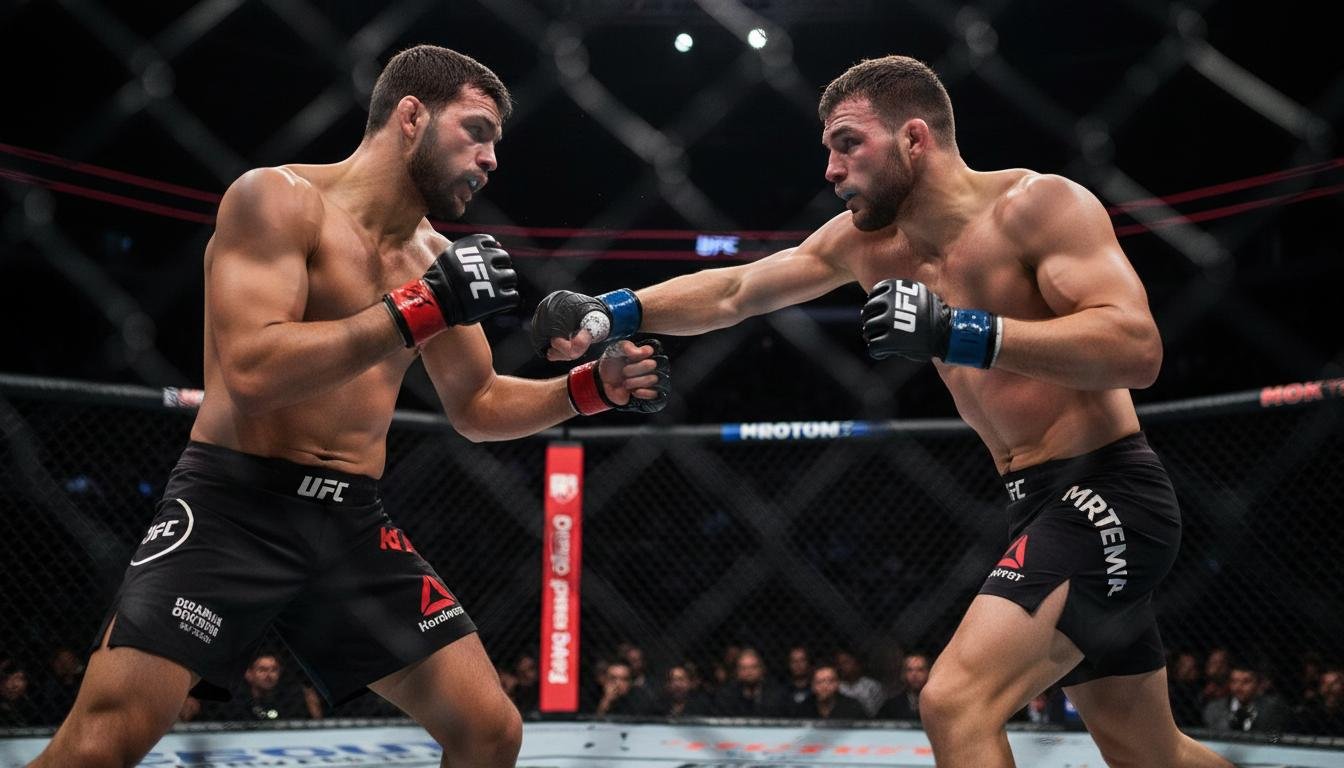

WWE. Betting strategy for WWE: why markets are thin and how to manage risk
Wrestling and wagering make an odd couple at first glance: one is staged entertainment, the other a numbers game that prizes liquidity and predictability. Yet organized betting on WWE events is real, growing, and oddly challenging. This article breaks down why those markets are thin, what that means for the odds you see, and — most importantly — how to manage risk if you choose to play in a space where the usual market rules bend and sometimes break. What makes a market “thin” and why WWE fits that profile A thin market has low liquidity: few bets, small volumes, and wide gaps between best available prices. Most mainstream sports — soccer, basketball, tennis — attract deep pools of capital and automated market makers, meaning odds move smoothly and reflect aggregated information quickly. WWE markets seldom get that treatment. Several structural features of WWE contribute to thinness. Outcomes are scripted and often decided internally weeks before they appear on TV, meaning there is limited incremental information for public trading. Betting interest is geographically and demographically narrow: many casual sports bettors avoid wrestling markets, so volume stays low. Bookmakers respond by offering fewer markets and smaller limits, reinforcing the low-liquidity loop. Timing matters, too. WWE storylines are designed for TV drama, not for market efficiency. Promos, surprise returns, and last-minute “swerves” mean that odds can swing on sparse signals — sometimes from a single insider rumor. When a rumor circulates, a handful of bettors can move a line dramatically because there aren’t enough opposing bets to absorb the flow. How thin markets change the way odds behave In a thin market, odds are volatile and jagged. You’ll often see large moves with very small stakes involved, or no movement at all when it seems obvious a line should shift. That’s not inefficiency in the classic sense; it’s a liquidity problem. The price simply doesn’t reflect a deep consensus because the consensus rarely forms. Vigorish and limits are another consequence. Books protect themselves from concentrated information by building in bigger margins and by capping stakes. Those higher margins translate into worse expected value for the bettor. What looks like a shallow ‘value’ bet can evaporate under maximum acceptable stake sizes or after your account gets flagged. Finally, bookmakers exercise discretionary power more frequently in WWE markets. Because outcomes are decided by a promoter, sportsbooks reserve the right to void bets, change limits,…
WWE. Betting strategy for WWE: why markets are thin and how to manage risk Read Post »