Best soccer teams in France 2026

Best soccer teams in France 2026

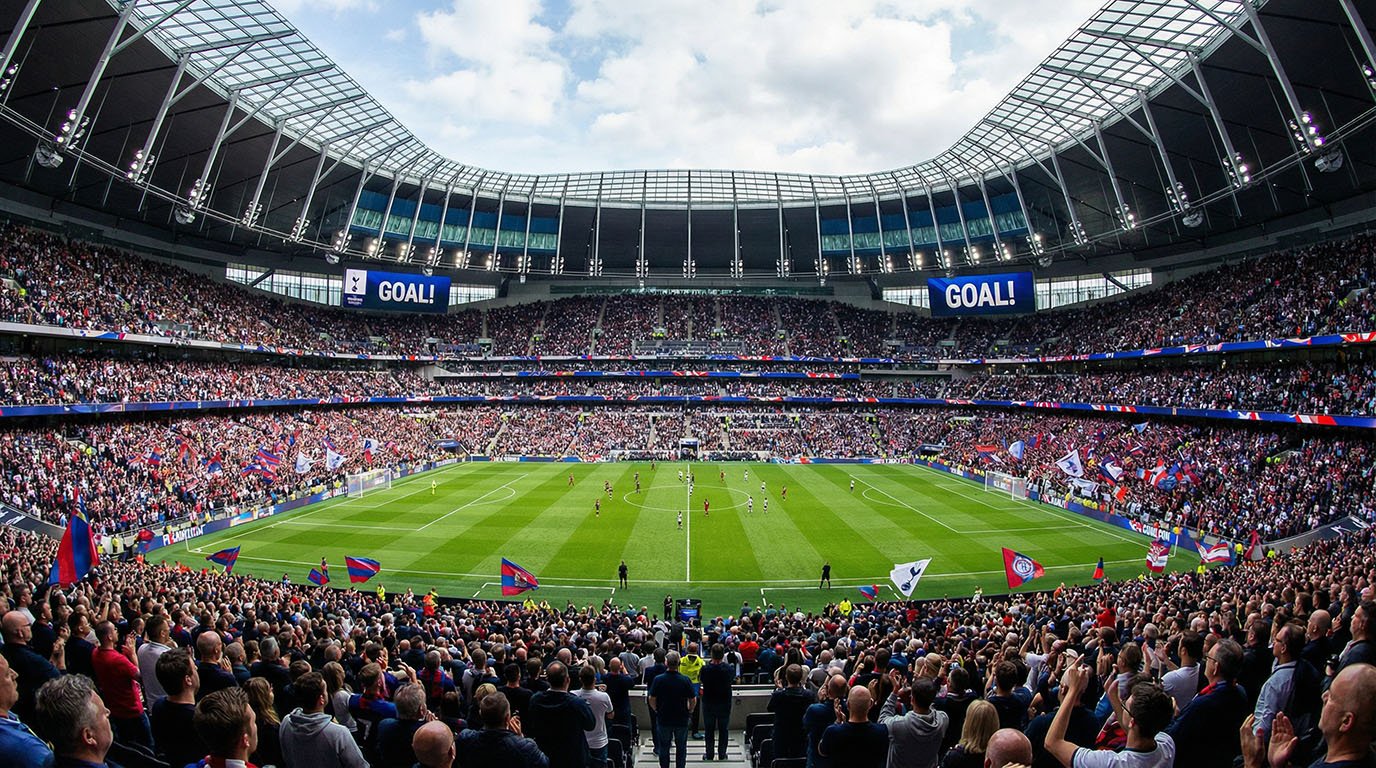
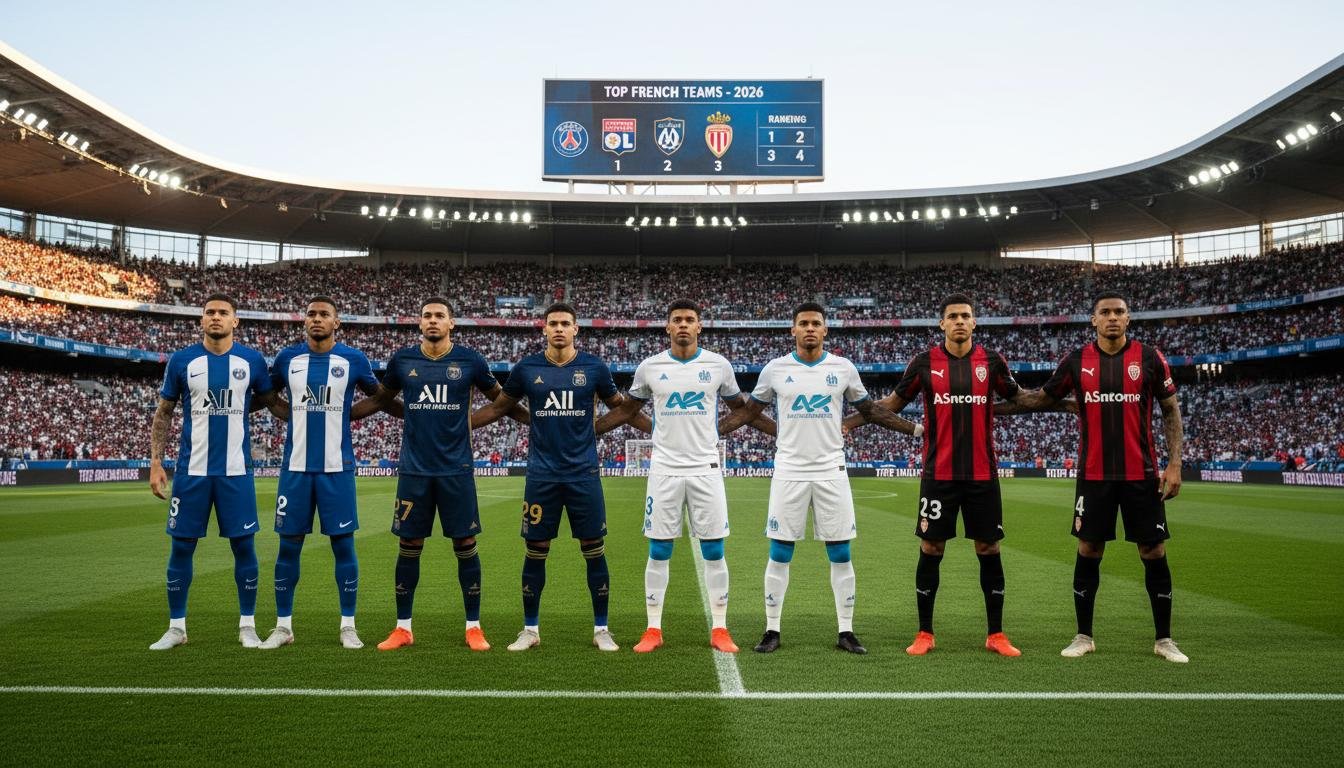
As we move into 2026, French football is a mix of big budgets, smart scouting and fertile youth academies. This piece looks beyond headlines to identify which clubs are genuinely positioned to lead the domestic scene and make an impact in Europe. I’ll weigh recent trajectories, financial health, youth production and European performances to sketch a practical picture of the teams to watch. How I judge the contenders “Best” can mean different things: domestic trophies, consistent qualification for European competitions, sustainable finances, or a youth system that produces first-team talent. For these reasons I evaluate clubs on four pillars — sporting results, transfer strategy and market value, academy output, and stability of ownership or management — rather than on a single season’s form. Those pillars matter because French clubs often raise or fall quickly: a smart recruitment cycle can lift a mid-table club into Europe, while short-term spending without structure can cause crashes. That volatility is partly what makes forecasting exciting, and why a balanced assessment gives a clearer sense of who will still be strong by the end of 2026. Top contenders to watch Several clubs stand out when blending present strength with future promise. Below I profile the teams that, in my view, are most likely to define the top tier of French football through 2026. Each profile focuses on what makes the club competitive and what risks they face. Paris Saint-Germain (PSG) PSG remains France’s headline act because of its financial muscle, global brand, and regular appearances deep into European tournaments. Their ability to attract and retain high-profile talent gives them a consistent advantage in the domestic league, though that edge is not absolute — smart opponents and financial regulation are real constraints. The primary challenge for PSG is translating star-studded squads into sustained, tactical coherence and European silverware. If their recruitment balances marquee signings with fit-for-system players and youth integration, they’ll likely stay one of the very best clubs in France by 2026. Olympique de Marseille Marseille’s passionate fanbase and strong matchday income make them perennial contenders. Over recent years, they’ve combined shrewd transfers with a renewed emphasis on tactical identity, and that combination has closed the gap on the biggest clubs more than once. The club’s future depends on maintaining financial discipline while deepening the squad’s tactical resilience. If the leadership keeps investing in the academy and supporting a stable coaching project, Marseille can challenge…

Best soccer teams in France 2026 Read Post »

Football. Betting strategy for a favorite with low odds

Football. Betting strategy for a favorite with low odds

Backing a heavy favorite in football feels safe: the numbers look neat, the media narrative supports it, and your instinct says the stake is “justified.” Yet short-priced favorites carry hidden risks that quietly erode returns and bankrolls over time. This article sketches practical, reality-tested approaches to manage those risks — from reading implied probability to using hedges, exchanges, and sensible staking — so you can stop treating low odds as an automatic green light. Why short odds are more complicated than they look Odds reflect implied probability, but they also include the bookmaker’s margin and market sentiment. A 1.20 decimal (5/25 roughly) looks like a sure thing, yet the true likelihood of the result is often less than the implied number after you factor in vigorish and the chance of upset events. Favorites frequently lose value because bettors underestimate variance in football — small tactical shifts, missing players, weather, and motivation often swing outcomes unpredictably. Understanding that gap between implied and true probability is the first step to a measured strategy. How to read implied probability and spot poor value Converting odds to implied probability is straightforward: probability = 1 / decimal odds. That 1.20 decimal price implies about an 83.3% chance. The bookmaker’s margin then pushes that implied chance even higher than the realistic probability you should assign. To decide if a favorite offers value, estimate the true probability independently — using form, underlying metrics (shots, expected goals), lineup news, and market movement — then subtract the bookmaker’s margin. If your calibrated probability exceeds the implied probability by a meaningful margin, you have value; otherwise you don’t. Decimal odds Implied probability 1.10 90.9% 1.25 80.0% 1.50 66.7% 1.75 57.1% When to avoid backing a short-priced favorite A favorite isn’t automatically a smart bet when key players are doubtful, the opponent styles up well, or the book market is artificially depressed by heavy public money. Low odds disguise a poor return on investment if the underlying edge is nonexistent. Avoid favorites in volatile conditions or unfamiliar contexts: teams resting players for another competition, first matches after long breaks, or short turnaround fixtures where rotation is likely. Those are settings where the favorite’s short price may be fragile. Practical strategies that work with low odds If you still see merit in taking the favorite, choose strategies that protect capital and extract value: smaller stake sizes, partial hedging, laying on exchanges, or…

Football. Betting strategy for a favorite with low odds Read Post »

Football. betting strategy for “both teams to score” in halftime

Football. betting strategy for “both teams to score” in halftime

Halftime markets move fast and they reward attention: a goal early in the first half, a tactical switch, or a red card can all reshape the odds within minutes. This article walks through a practical approach to trading the “both teams to score” outcome specifically for halftime — not a promise of easy wins, but a methodical framework that mixes pre-match research, live cues, and disciplined staking. Why halftime BTTS is its own animal Full-time both teams to score (BTTS) and halftime BTTS are related but behave differently because of time constraint. With only 45 minutes to decide the market, variance is higher and small changes in momentum have outsized effects on probability. Bookmakers price halftime BTTS based on expected first-half scoring rates and live information such as injuries or sending-offs. That means pre-match models are useful, but live observation can create opportunities when the market hasn’t yet fully adjusted. Key indicators to watch live Successful halftime BTTS plays come from watching the right signals. Focus on first-half expected goals (xG) flow, dangerous chances, set piece volume, and how each team is shaping up defensively rather than raw possession percentages. Below is a compact checklist you can use in-play. These items tend to show up early and predict whether both teams are likely to have scored by halftime. Indicator Why it matters High cumulative xG (both sides) Shows quality chances are being created on both ends, increasing BTTS likelihood. Repeated set pieces in attacking zones Set plays create scoring odds quickly in the first half when defenses are settling. Attacking fullbacks / open wings Suggests defensive gaps that can lead to counter opportunities for the opponent. Recent substitutions or visible fatigue Late early mistakes rise with tired defenders or tactical changes. Pre-match homework that pays off Before kickoff, build a shortlist of matches where first-half goals are plausible. Look for teams that show a split between first- and second-half scoring — some teams are consistently stronger early. Historical first-half BTTS rates and average first-half goals per match are practical metrics. Also check squad news closely. A defensive midfielder suspended or a starter recovering from injury can change early-match balance. I set alerts for lineups and late team news because early substitutions and unexpected absences are common triggers for halftime opportunities. Live tactics: when to back halftime BTTS There are a few live scenarios where the value becomes clear. One is…

Football. betting strategy for “both teams to score” in halftime Read Post »

Best basketball teams in Argentina 2026

Best basketball teams in Argentina 2026

Argentina’s basketball scene is a blend of deep-rooted tradition and restless reinvention, and by 2026 the landscape will reflect both history and fresh ambition. Fans still flock to familiar arenas while new academies and provincial clubs press their case, creating a competitive national league where every season can tilt the balance. This article maps the clubs most likely to matter in 2026, explains why they are contenders, and points to the trends that will shape Argentine basketball in the coming years. Why Argentina matters on the world basketball map Argentina punches well above its weight in world basketball because of a robust domestic structure and a long-standing culture of player development. The Liga Nacional de Básquet (LNB) has periodically exported players to top European leagues and the NBA, while the national team’s successes have raised the profile of coaching and youth programs across the country. Beyond trophies, Argentina offers a model of regional diversity: clubs in Córdoba, Buenos Aires, Santiago del Estero, and Bahia Blanca nurture different playing styles and scouting networks. That decentralization keeps competition healthy and ensures that looking at the “best” teams involves more than just recent champions—it means assessing infrastructures, youth systems, and financial stability. Top contenders for 2026 Projecting to 2026 requires balancing recent performance with organizational health—teams that win with a smart mix of homegrown talent, solid finances, and coaching continuity are the likeliest long-term contenders. Below are the clubs that, as of mid-decade, look best positioned to compete for titles and to represent Argentina internationally. Quimsa (Santiago del Estero) Quimsa has built a reputation as a well-run club with a strong scouting pipeline and consistent playoff presence. Their blend of experienced domestic players and savvy international signings makes them a perennial challenger in the LNB. What keeps Quimsa dangerous is organizational continuity: stability in coaching and a front office that reinvests in facilities and youth. Those elements make them a reasonable pick to remain among the best teams through 2026. San Lorenzo (Buenos Aires) San Lorenzo’s rise a few years ago redefined the power balance in Argentine basketball, supported by ambitious investment and a large fan base. Even when off-court challenges appear, the club’s resources and ability to attract talent sustain its competitiveness. San Lorenzo’s challenge is to translate financial muscle into a stable, long-term sporting project—maintaining an academy, retaining key players, and keeping coaching philosophies aligned with club goals. Instituto (Córdoba) Instituto…

Best basketball teams in Argentina 2026 Read Post »
Top 10 soccer teams in Canada in 2026

Top 10 soccer teams in Canada in 2026

Soccer in Canada has stretched its roots from community pitches to sold-out stadiums and continental nights, and by 2026 the landscape is more layered and competitive than ever. This list looks beyond headline results to weigh infrastructure, talent pathways, fan culture, international reach, and organizational stability to present a snapshot of the ten clubs making the biggest impact across the country. I’ve spent years watching matches across Canadian stadiums and covering club developments firsthand, from grassroots academies to Major League Soccer fixtures. What follows is an evidence-driven ranking informed by league performance, club ambition, and conversations with coaches, analysts, and front-office staff — a practical guide to the teams shaping Canadian soccer right now. How this ranking was made Rather than rely on a single metric, this ranking uses a composite of factors: league level and competitiveness, recent on-field performance, youth development and academy output, financial and infrastructural stability, fan engagement, and international presence. Clubs playing in MLS get certain structural advantages, but CPL clubs with strong organizational models and continental results can outperform purely on merit. Sources for this analysis include league reports, roster and transfer data, attendance figures, and expert commentary from coaches and analysts. Where possible I cross-referenced official league information with independent data providers and local reporting to form a balanced view of each club’s trajectory. Top 10 overview table Rank Club League / Home 1 Toronto FC MLS / Toronto 2 CF Montréal MLS / Montréal 3 Vancouver Whitecaps FC MLS / Vancouver 4 Forge FC Canadian Premier League / Hamilton 5 Cavalry FC Canadian Premier League / Calgary 6 Atlético Ottawa Canadian Premier League / Ottawa 7 Pacific FC Canadian Premier League / Vancouver Island 8 HFX Wanderers FC Canadian Premier League / Halifax 9 Valour FC Canadian Premier League / Winnipeg 10 York United FC Canadian Premier League / York Region 1. Toronto FC Toronto FC remains Canada’s largest club by market, resources, and long-term infrastructure investment. Its academy, facilities at BMO Field, and reach in the country give it a steady flow of talent and the ability to sign marquee players, making it the default benchmark for club soccer in Canada. Critically, Toronto’s fan base and stadium exposure feed revenue opportunities the CPL clubs often lack, which translates into deeper squads and more international scouting reach. I’ve attended regular-season and playoff matches at BMO Field; the atmosphere and organizational professionalism there are…

Top 10 soccer teams in Canada in 2026 Read Post »

Football. Betting strategy for “team will not score”

Football. Betting strategy for “team will not score”

Betting that a team will not score is one of the quieter markets on the board, yet it can offer excellent value when approached with discipline. This article walks through how to read the market, what statistics and contextual signals matter, and how to manage risk when you stake on a shutout for one side. Expect practical checklists, live-betting tips, and a few examples drawn from real wagering experience. What the market actually pays for The “team will not score” market is binary: either the team fails to score, or it scores at least once. Odds reflect the bookmaker’s estimated probability plus vig, and they fluctuate with news, form, and betting volume. Understanding how those odds translate to implied probability is the first step in spotting value versus simply guessing. This market differs from “under total goals” bets because it isolates one team’s offensive output, so factors like defensive strength, style of play, and situational constraints matter more than league-wide scoring trends. If you train your eye to the specific dynamics that suppress a team’s scoring ability, you’ll find opportunities that broad totals can miss. Statistical signals that predict a blank Start with expected goals (xG) trends, not raw goals. A team creating low xG overall and especially low non-penalty xG away from home is likelier to be shut out than a team that simply underperformed in finishing. Complement xG with shots on target and big chances created—if those are scarce, the scoring risk drops considerably. Equally important are defensive indicators of the opponent: opponents that allow few shots in the box, have high defensive xG prevented, or dominate possession tend to suppress rivals’ scoring opportunities. Combine offensive frailty with opponent defensive solidity and you have a classic setup for backing “team will not score.” Quick checklist table Factor Signal for backing a shutout Why it matters Team xG per game Low and declining Shows lack of quality chances Opponent xG conceded Very low or improving Suggests strong defensive shape Shots on target Few shots on target created Less likelihood of converting Tactical context: formations, styles, and match-ups Numbers tell a large part of the story, but tactics and matchup dynamics fill the gaps. Teams that sit deep, compact the box, and invite pressure are more successful at keeping opponents from getting clear-cut chances, which directly reduces the opponent’s scoring probability. Conversely, a press-heavy opponent can force turnovers and create…

Football. Betting strategy for “team will not score” Read Post »

Football. Betting strategy on "Both teams not to score"

Football. Betting strategy on “Both teams not to score”

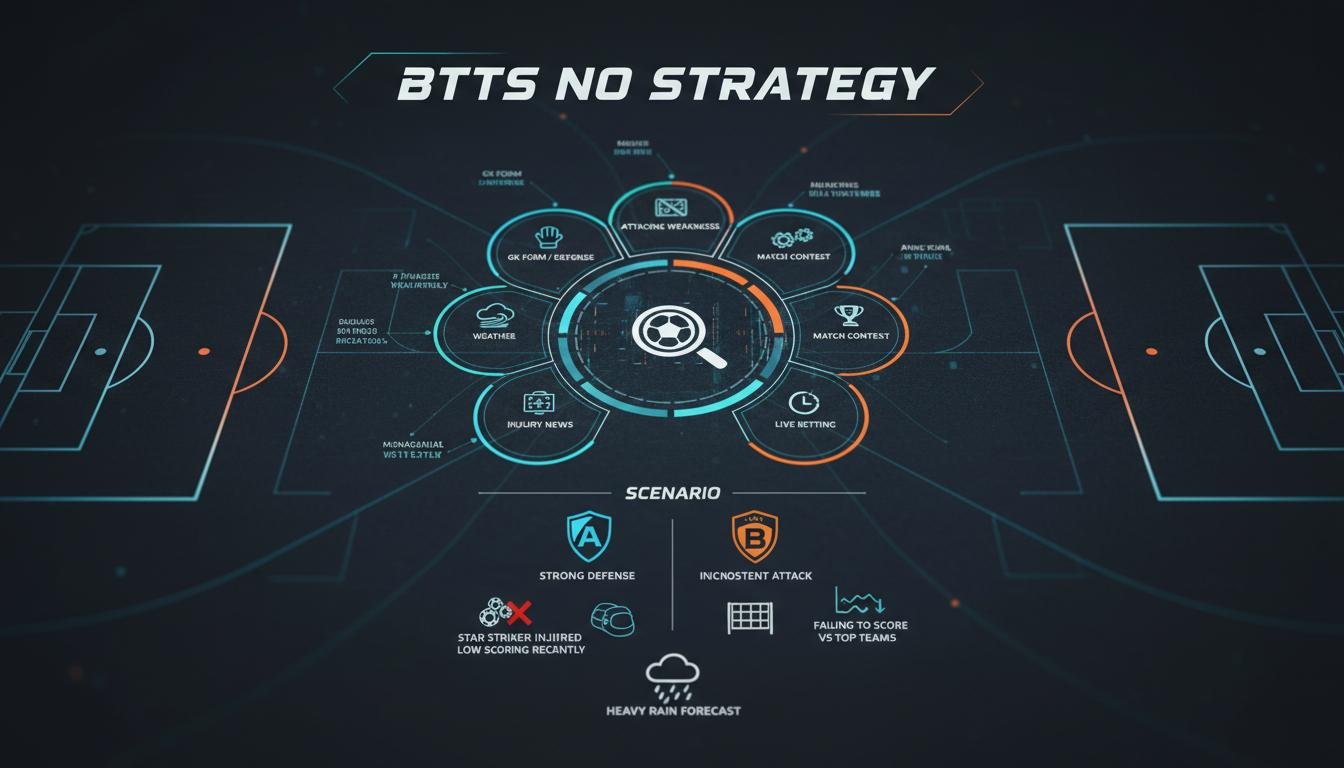
Making a deliberate bet that both teams will not score—often shown as BTTS No—feels like backing the quiet, defensive side of football. It’s the market for people who prefer to bet on clean sheets, low-scoring affairs, or simple probability edges rather than dramatic goal fests. This article walks through how to spot value, which metrics matter most, and how to manage risk so that your approach is repeatable and grounded in data. What the market actually means and how bookmakers price it BTTS No pays out when one or both teams fail to score; if the final scoreline includes at least one nil for either side, the market wins. Bookmakers set odds by combining historical scoring rates, recent form, team news, and market activity. That means there’s often an edge for bettors who read the underlying signals better than the market does. Odds reflect more than raw scoring averages. They incorporate implied probabilities for red cards, weather, early goals, and even the pace of the fixture (cup game, league match, or relegation six-pointer). Understanding which of those factors are already priced in helps you find situations where the market underestimates the chance of a shutout. Why both teams not to score appeals to many bettors This market is attractive because it can be less volatile than betting on total goals or a correct score. You don’t need an exact final result—only that one side fails to score. That narrower requirement often translates into more stable long-term results when paired with a disciplined staking plan. It’s also a market where statistics and context pay off. Defensive metrics, injuries to key attackers, or tactical decisions (for instance, two teams who prioritize containment) tip the balance materially. When you combine a data-driven approach with live awareness, the odds of finding value increase. Key indicators to look for Not all matches are equal. Focus on metrics and contexts that correlate with one or both teams failing to score. Below is a concise checklist you can use pre-match. Indicator What it signals How to use it xG and xG conceded Quality of chances created and allowed Prefer matches where both teams have low xG-for and higher xG-conceded Shots on target allowed Defensive resilience under pressure Fewer shots on target against suggests higher shutout probability Injuries/suspensions to attackers Reduced finishing options and creative spark Shop for matches where top scorers are absent Head-to-head and tactical matchups…

Football. Betting strategy on “Both teams not to score” Read Post »

Football. Betting strategy for individual team totals

Individual team totals are a different animal than game totals or straight bets on winners, and treating them that way is how most bettors leak value. In this article I’ll walk through the data you should prioritize, how to size bets and manage risk, and practical ways to find edges that aren’t obvious to the casual bettor. Think of team totals as micro-markets: smaller, more predictable pieces of a game if you know where to look. Why individual team totals are worth focusing on Team totals remove half the noise of a game. Instead of predicting the entire outcome, you concentrate on one offense’s scoring potential or one defense’s ability to suppress points. That narrow focus often means fewer moving parts to model and more leverage from specialized knowledge like pace or red-zone usage. Bookmakers price these markets using aggregated models, which can miss recent nuances: a sudden offensive coordinator change, an injury to a primary red-zone threat, or a matchup quirk in which a team struggles versus zone coverage. When you spot those mismatches between public perception and underlying realities, single-team totals can offer clean, exploitable opportunities. Key data points to analyze Offensive efficiency and play quality Raw points per game tell part of the story, but efficiency metrics reveal how sustainable scoring really is. Look at yards per play, third-down conversion rate, red-zone touchdown rate, and opponent-adjusted metrics such as DVOA or EPA per play to see whether a team’s scoring is built on repeatable strengths or fortunate variance. I use EPA (expected points added) on early downs as a litmus test. If a team racks up high EPA on first and second down, it’s creating consistent scoring chances rather than relying on occasional long plays. Those consistent traits tend to persist and are more reliable for predicting team totals. Pace and play count Pace—the number of plays a team runs—directly affects scoring opportunities. Faster offenses naturally have more scoring chances, which inflates team totals; a slow, efficient offense might score the same number of points on fewer plays, changing the expected total. Always normalize totals by plays or possessions to compare apples to apples. Opponents’ pace matters too. If a team plays a fast opponent, their own play count often increases even if their offensive scheme is slow, and that can push the team total up. Betting a team total without considering opponent pace is a common…

Football. Betting strategy for individual team totals Read Post »

Football. offsides betting strategy

Offsides is one of those niche edges that quietly reshapes live and prematch markets if you know where to look. This article walks through how the rule works in practice, which markets bookies offer, how to spot value using data and match context, and the simple testing and bankroll rules I use when I bet on offsides. How offsides works and why it matters for betting The basic legal definition matters more for bettors than for casual viewers: a player is in an offside position if any part of their head, body or feet is closer to the opponent's goal line than both the ball and the second-last defender at the moment the ball is played by a teammate. That definition, and the guidance on when an offside becomes an offense, is defined by the IFAB laws of the game. For betting, the key points are timing and interpretation. Offsides are judged at the instant of the pass, not when the receiver receives the ball, and match officials or VAR interventions can change how many offsides are recorded or overturned. Markets react to these nuances—especially in leagues or competitions where VAR is strict about marginal offsides. Which markets include offsides and how they work Not every bookmaker offers the same offside options, but the common markets include total offsides (match), team offsides (per team), and sometimes first offside or player-specific offside occurrences. Some books provide pre-match lines while others open live markets that swing quickly after a key event, such as a VAR check or a tactical substitution. Odds for offsides markets are typically driven by historical averages for the teams and the market's expected variance. Because offsides are relatively infrequent events compared with goals or corners, lines can be soft and the market inefficient—an opportunity for disciplined bettors who do their homework. Data-driven signals to watch Start with the raw numbers: average offsides conceded and committed per 90 minutes over a rolling sample (last 5–10 matches), team pressing intensity, and attacking tempo. Sites such as FBref, WhoScored, and StatsBomb provide action and pressing metrics that correlate with offside frequency. Look beyond raw counts. A team that plays deeply and invites counterattacks will usually concede fewer offsides than a side that presses high and plays with a high defensive line. Pace of attackers, types of passes (through balls versus crosses), and how often teams play on the final third shoulder…

Football. offsides betting strategy Read Post »

Boxing. betting strategy for “fight to go the distance”

Boxing. betting strategy for “fight to go the distance”

Betting on whether a boxing match will go the distance is a different animal than picking a winner. It’s less about who lands the prettier combinations and more about matchup dynamics, endurance profiles, and market behavior. In this article I’ll walk you through the measurable signals, practical staking plans, and the kind of scouting that turns a vague hunch into an informed wager. Why distance bets demand a different approach When you bet on a fighter to win, your analysis naturally focuses on power, accuracy, and tactical edges. Betting that a fight will last all scheduled rounds shifts the emphasis toward durability, pace control, and referee tendencies. These bets are binary in a different sense: they ignore round-by-round nuance but amplify the importance of late-fight attrition and officiating. Odds for distance markets are often softer and more stable than round-by-round or method-of-victory lines, but that stability can hide value opportunities. Sharp bettors exploit mispriced public sentiment—fans favoring knockout artists or flashy styles often push early-round prices to misleading levels. Your job is to separate spectacle-driven noise from structural probability. Key factors that increase the chance a fight goes the distance Not every statistic matters equally. Some indicators repeatedly show up in matches that avoid stoppages, and leaning on those will refine your edge. Below are the highest-yield factors to consider, drawn from fight data and experience watching hundreds of bouts. Historical stoppage rate: fighters with low career KO/TKO percentages tend to produce longer fights. Style matchup: two counterpunchers or high-volume jabbers are less likely to generate sudden fight-ending power exchanges. Punch output versus power: high volume but low knockout percentage usually signals a distance outcome. Age and recent ring mileage: older fighters or those coming off long layoffs risk being stopped, but young fighters with light punches rarely finish opponents early. Referee and ringside physician tendencies: some referees favor fighter safety and stop fights earlier, others let exchanges run. Stakes and rules: championship mentality, glove size, or five vs. three-round format change probabilities materially. Weight class matters as well: lightweights and welterweights finish less often than heavyweights simply because absolute knockout power scales with mass. Always weigh weight class signals alongside individual fighter history. Data-driven signals and thresholds to watch Good analysis translates qualitative observations into numeric thresholds. Using reputable databases like CompuBox and BoxRec, you can set simple cutoffs that flag fights likely to go the distance. These aren’t…

Boxing. betting strategy for “fight to go the distance” Read Post »

Cricket betting. the best strategy — a complete guide from the experts

Cricket betting can feel like stepping into a crowded pavilion: loud, fast-changing, and full of hidden opportunities. This guide distills methods used by professional traders, statisticians, and veteran bettors into practical steps you can follow, whether you’re planning a handful of wagers or building a disciplined betting system. Why cricket betting is different from other sports Cricket’s formats—from Test matches to T20—produce radically different statistical behavior and market dynamics. Test matches reward endurance and subtlety; Twenty20 magnifies momentum swings and in-play volatility; One-Day Internationals sit somewhere in between, blending endurance and bursty scoring. Pitch conditions, the toss, and weather create unique, match-specific variables that can surprise even experienced bettors. Unlike sports where outcomes are mostly determined by player matchups, cricket’s micro-environment (spinning track, cloud cover, dew) often shifts win probabilities in ways that are measurable if you know where to look. Understanding markets and odds Odds reflect both the bookmaker’s estimation and the market’s aggregated view of probability. Decimal odds, American odds, and fractional odds are just different ways of presenting the same underlying implied probability, with bookmakers embedding a margin (the overround) to secure profit. Different market types exist: match winner, series winner, top batsman, top bowler, over/under totals, and granular in-play markets like next-ball events. Each market has a different liquidity profile and a different level of bookmaker margin; pre-match markets are typically more efficient than volatile in-play offerings. How to read implied probability Convert odds to implied probability to compare with your own estimate. For decimal odds, implied probability = 1 / odds. Subtract the bookmaker margin to find the fair implied probability if you can estimate it. Identifying value means your estimated probability for an outcome exceeds the fair implied probability offered by the market. That gap, when consistent and accurate, is where long-term profit comes from. Foundations: research, data, and modeling Good cricket betting starts with data. Historical performance, venue metrics, head-to-head records, and granular ball-by-ball data create the raw material for predictive models. Authoritative sources like ESPNcricinfo’s Statsguru and official ICC records are the best starting points for clean data. Build models that reflect the format and time horizon you’re betting. Simple models—moving averages of form, venue-adjusted averages—work well for pre-match decisions. Advanced bettors use probabilistic models that incorporate run-rate trajectories, wicket timing, and weather adjustments for more accurate in-play estimates. Useful metrics to collect Track form over different time windows (last 5, 10,…

Cricket betting. the best strategy — a complete guide from the experts Read Post »

Sports Betting. How to Avoid Losing? — A Complete Guide from the Experts

Sports betting is simple to start and surprisingly difficult to master; that tension is where most bettors lose money. This guide collects practical strategies, analytic methods, and psychological tips from experienced bettors and researchers so you can move from guesswork to a disciplined approach. Why people lose: the trap of illusion and habit Most losing starts with a belief that skill and luck are the same thing on short time frames. A few early wins create overconfidence, and bettors escalate stakes before they have a repeatable edge. Bookmakers build margins into odds, and recreational bettors rarely account for that built-in house edge. Combine that with chasing losses and poor money management and even smart picks can lead to long-term losses. Know the house: how sportsbooks make money Sportsbooks balance bets to guarantee profit through the vig or juice, which is the commission embedded in odds. Understanding how that margin affects your expected return is the first step to protecting your bankroll. Vig appears in lines that differ from true probability; sportsbooks set lines to attract balanced action and reduce risk. Sharp books, like Pinnacle, operate on lower margins and highlight how market efficiency affects chances for a bettor to gain an edge. Expected value: the single most important concept Expected value (EV) measures the average outcome of a bet over time and should drive every staking decision. Placing small negative-EV bets guarantees losses over the long run, regardless of occasional wins. To calculate EV you combine your assessed probability of an outcome with the payout. If your probability assessment is more accurate than the market's implied probability, the bet has positive EV and is worth staking. Edge seekers: how pros find value Professional bettors look for discrepancies between their model's probability and market-implied probability. That discrepancy — the edge — might be tiny but, with correct staking and discipline, becomes profitable. Finding edges takes a blend of statistical models, domain knowledge, and market monitoring. Pros often specialize in a sport or market where they can extract repeatable inefficiencies rather than trying to beat all markets at once. Build a process: systems beat intuition A reliable betting process includes data collection, model or research work, predefined staking rules, and regular performance review. Random, impulsive bets avoid accountability and prevent skill development. Documenting how you analyze games and why you place each wager creates a feedback loop. Over time that loop separates…

Sports Betting. How to Avoid Losing? — A Complete Guide from the Experts Read Post »

Best basketball teams in Brazil 2026

Best basketball teams in Brazil 2026

Brazilian basketball has been quietly reinventing itself over the past decade, and by 2026 the domestic scene looks sharper, faster, and more competitive than many expected. This article walks through the clubs most likely to define the landscape, the ingredients that put them at the top, and why fans both in Brazil and abroad should be paying attention. What separates the elites from the rest in 2026? Talent on the roster is obvious, but depth and structure matter even more. The best clubs now combine a core of experienced veterans with multiple young players coming through club academies, which gives them resilience across a long season and in continental tournaments. Off-court strengths—stable budgets, quality coaching staffs, and professional management—translate directly into success. Teams that invest in analytics, scouting, and player development can turn promising prospects into reliable rotation pieces faster than rivals that rely on short-term signings. Clubs leading the charge Below are the teams that, heading into 2026, look positioned to compete for domestic titles and make noise in regional competitions. Each profile highlights why the club matters now and the trends that could keep it relevant. Sesi/Franca Basquetebol Franca has the aura of a traditional power and the practical strength of a well-run project. Their youth pipeline and strong local support provide a steady stream of talent, while a professional front office focuses on continuity rather than overnight rebuilds. On the court, Franca blends disciplined defense with efficient ball movement. Their reputation for developing guards and perimeter scorers keeps them competitive in the NBB and attractive to players who want both playing time and exposure. Clube de Regatas do Flamengo Flamengo remains Brazil’s closest thing to a global club brand, with resources that let them assemble experienced rosters and pursue high-profile coaching hires. Their marketing reach and sponsorship deals make Flamengo a perennial contender in domestic play. The club’s ability to blend marquee signings with committed role players gives them flexibility in playoff series. Flamengo’s fans and facilities create a pressure environment that visiting teams often struggle to match. Minas Tênis Clube Minas has cultivated a reputation for smart scouting and player development. Instead of relying solely on big names, they emphasize system play and player versatility—traits that pay off in tight playoff games and against international opponents. Several of their recent veterans have gone on to stable careers in stronger leagues, which reinforces Minas’ attractiveness to young…

Best basketball teams in Brazil 2026 Read Post »
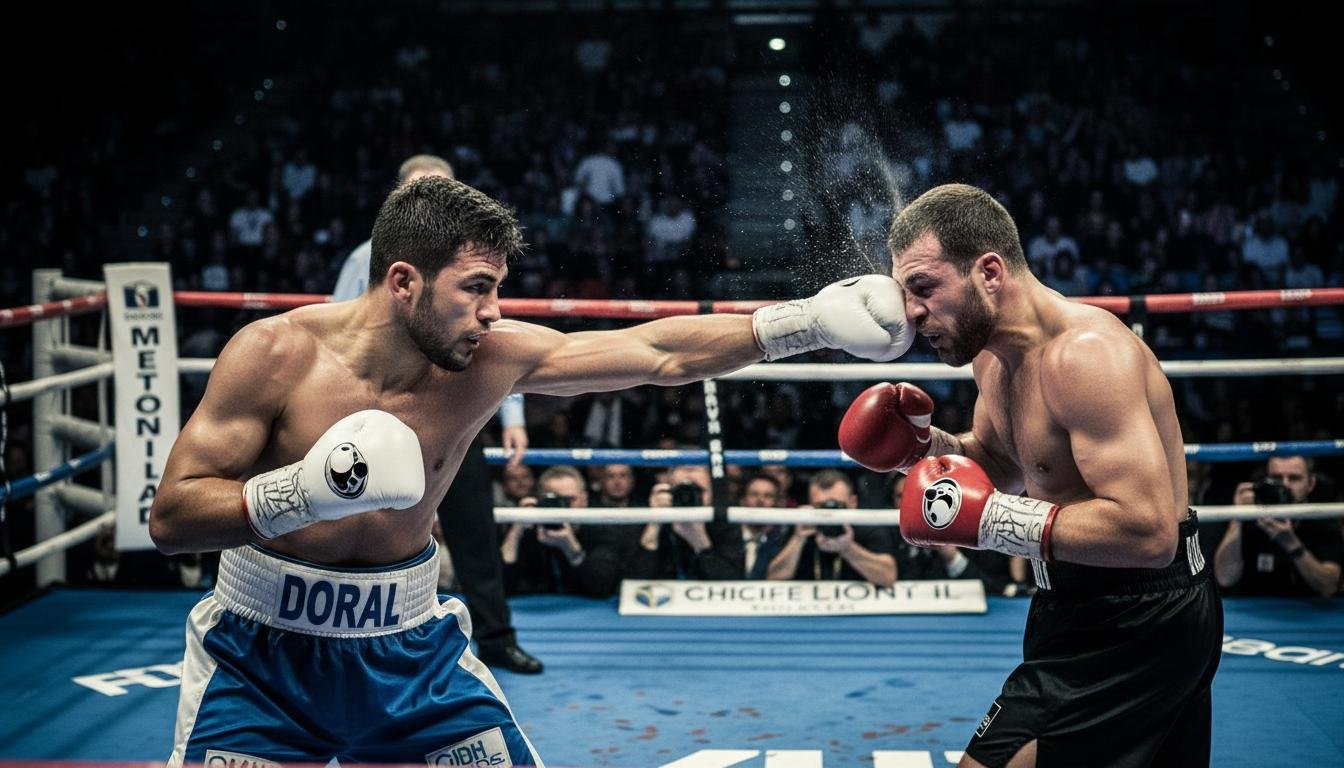
Football. betting strategy for “team to qualify from the group”

Group-stage betting can feel like chess played on a moving board: squad rotation, form swings, and the math of tiebreakers all change the position before the final whistle. Whether you’re backing a heavyweight to stroll through or hunting value on an underdog squeaking into second place, a methodical approach raises your chances of making consistent, profitable choices. How group formats and tiebreakers shape the market Most international tournaments and club competitions use a round-robin group phase with 3 points for a win and 1 for a draw. That simplicity hides complexity: goal difference, head-to-head records, goals scored, and sometimes disciplinary points can decide who advances when teams finish level on points. Bookmakers and sharp traders price those rules into odds. A team with one game in hand or a favorable head-to-head can carry more market value than its raw league position suggests. Understanding the official tiebreakers for the competition you’re betting on is one of the simplest edges you can gain. Why schedule and match order matter The order of fixtures in a group is often overlooked yet crucial. Teams playing each other late in the group are subject to tactical risk management: a draw might be enough to qualify, or a team already through could rest starters. Those scenarios compress implied probabilities and create opportunities for bettors who anticipate conservative approaches. Conversely, teams opening with tough opponents may be priced as weaker overall, offering value later if they secure early points against perceived adversaries. Spotting which fixtures are “must-win” and which will likely be navigated conservatively helps you judge when to commit funds. Key factors to evaluate before placing a qualification bet Start with objective metrics: recent form, expected goals (xG), injuries, suspensions, and squad depth. For group betting, depth matters more than one-off quality because managers rotate across multiple matches in a short window. Don’t ignore motivational context. Clubs fighting for domestic titles or national teams with friendly fixtures scheduled after a tournament may prioritize differently. Motivation can flip a market’s logic: a mid-table club with European qualification on the line will play very differently from one with nothing to gain. Head-to-head history and styles of play When two teams are likely to finish close on points, head-to-head tendencies and playing styles are useful predictors. A defensive underdog that scrambles for low-scoring draws can edge out a more adventurous side on goal difference or head-to-head results. Look beyond…

Football. betting strategy for “team to qualify from the group” Read Post »
Tennis betting. The best strategy — a complete guide from the experts

Tennis offers a rare blend of simplicity and nuance for people who like to bet: two players, clear scoring, and a torrent of statistics to mine for edges. This guide gathers practical strategy, analytics, bankroll rules, and live-betting tactics so you can place smarter wagers and protect your stake. Read on for step-by-step advice distilled from data, bookmaker practices, and years of covering bettors and matches. Why tennis is special for bettors Unlike team sports, tennis reduces many confounding variables. There are fewer players influencing the outcome and each point is observable, which makes statistical modeling tractable. That relative simplicity means an informed bettor can exploit inefficiencies more readily than in sports with large rosters and chaotic interactions. The tennis calendar spans all year and across surfaces, creating recurring patterns and seasonal edges. Surface effects, player fatigue from travel, and scheduling quirks introduce repeatable conditions that a disciplined bettor can track and quantify. Consistency of formats—best-of-three or best-of-five—also allows strategy adjustments by tournament type. Tennis market depth and liquidity vary across tournaments, but the sport has robust pre-match and live markets on both bookmakers and exchanges. That availability, combined with a rich public data stream, makes tennis ideal for both quantitative modelers and sharp discretionary players. Basic markets and how to read odds The simplest tennis bet is the match-winner. From there markets expand into sets, correct score, total games, handicaps (games or sets), and live prop bets like next-game winner. Understanding these options is crucial before you size stakes or look for value. American and decimal odds both express the same idea: the implied probability of an outcome. Converting odds to implied probability and then adjusting for bookmaker margin is the first analytical step. You only have an edge when your estimate of true probability exceeds the market-implied probability. Bookmakers build in juice, and odds move as money flows and information arrives. Odds comparison across multiple sites is a small task that pays off: the best price often shifts as books correct for liability. Always shop for the best available line prior to staking. Core statistics that matter Not all tennis stats are equally useful for betting. Focus on independent, predictive metrics: first-serve percentage, first-serve points won, second-serve points won, return points won, break-point conversion and save rates, and serve games won on return. Those elements combine to explain the flow of games and matches. Service-dominant stats are particularly…

Tennis betting. The best strategy — a complete guide from the experts Read Post »
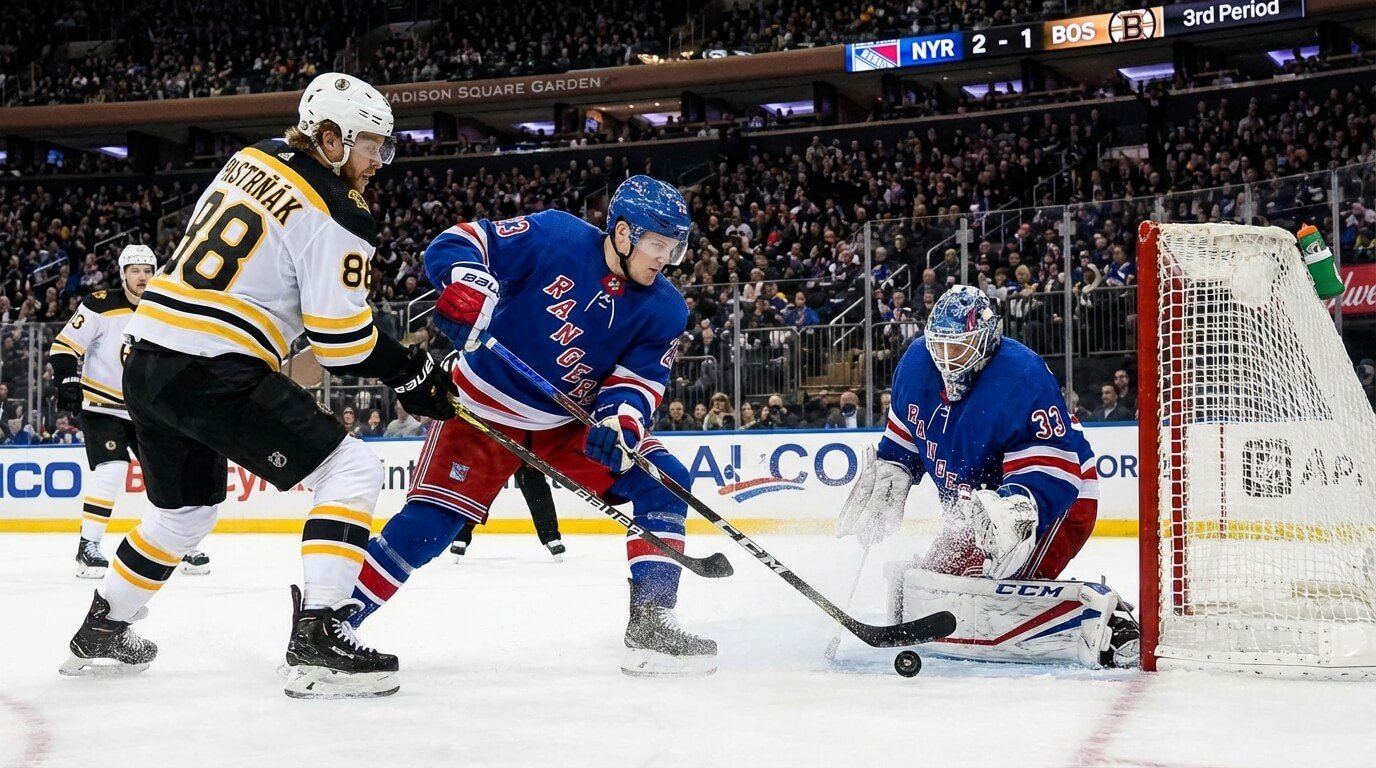
UFC Betting. How to Avoid Losing? — A Guide from the Experts

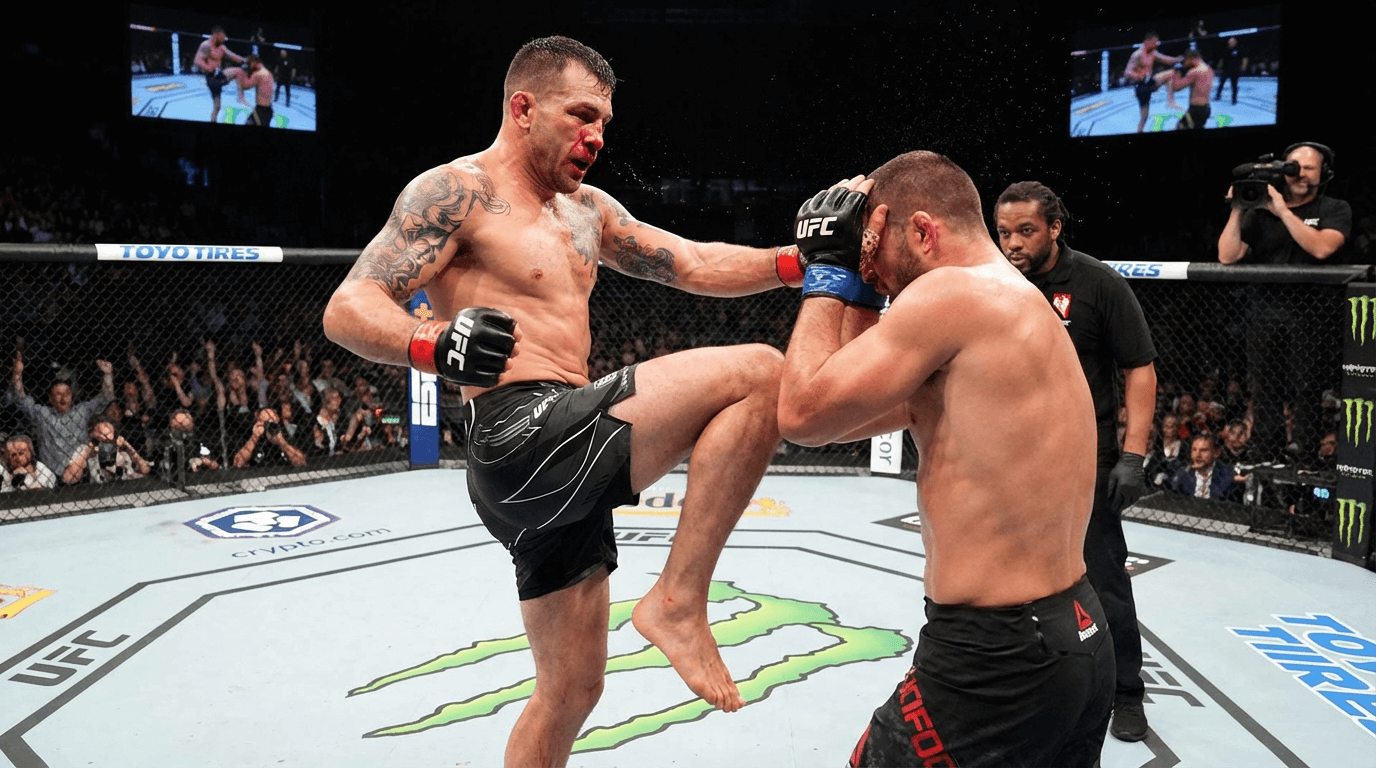
Betting on UFC fights mixes strategy, statistics, and nerves in equal measure, and losing feels louder than winning. This guide pulls together practical rules, analytical tools, and psychological tricks used by seasoned bettors and sports analysts to tilt the odds in your favor. Start with the sport: know styles, camps, and the subtleties UFC fights aren’t chess matches you can solve with a single stat; they’re the collision of styles, training camp quality, and human variables like weight cut and injury. Before you place a bet, study how each fighter typically wins and loses—strikers who dominate distance, wrestlers who grind and control, and jiu-jitsu specialists who seek submissions under pressure. Look beyond record and nickname. A 20–2 record tells you little if those wins came against poor opposition or if the fighter has relied heavily on one technique that a particular opponent neutralizes. Patterns matter: fighters who frequently finish early may be vulnerable if the opponent survives the opening flurry and drags the fight into later rounds. Bankroll management: the single biggest defense against losing Treat your bankroll like a business account, not a hobby cashpile. Decide on a dedicated bankroll you can afford to lose, then size individual bets as a small percentage of that bankroll to survive variance and capitalize on edges when they appear. Many experienced bettors recommend flat-percentage staking rather than chasing bets after losses. Use conservative percentages—1% to 3% per fight for standard bets, smaller for longshots or markets you’re less confident in. This approach prevents one bad night from wiping you out and keeps your psychology intact. Why the Kelly Criterion helps, and why to use it cautiously The Kelly Criterion is a mathematical formula to size bets according to edge and bankroll. In theory it maximizes long-term growth if you can accurately estimate your edge; in practice those edge estimates are noisy for combat sports, so bettors often use a fractional Kelly to reduce volatility. Use Kelly as a guide rather than a strict rule. If your model says you have a 10% edge but you’ve only tested that model on a small sample, betting the full Kelly could blow up your account. A fractional Kelly—betting 10–50% of the Kelly suggestion—balances growth and survival. Shop lines and treat sportsbooks like vendors Odds differ across books and move with money and news. Opening an account with multiple reputable sportsbooks is one of the easiest…

UFC Betting. How to Avoid Losing? — A Guide from the Experts Read Post »

UFC. Betting strategy on the total number of rounds

Betting on the total number of rounds gives you a different angle on UFC cards than simply picking winners. Rather than guessing which fighter’s hand will be raised, you’re forecasting the fight’s duration — a market shaped by styles, cardio, late changes, and the oddsmakers’ read on those variables. This article walks through how round totals work, which signals matter most, how to size bets, and practical checks I use when deciding between Over and Under. Expect tactical, data-aware advice you can use whether you’re making a pre-fight wager or reading the market in-play. How round totals work and what you’re actually betting Round totals are most commonly offered as half-round lines: Over/Under 1.5, 2.5, 3.5, and 4.5 rounds. For a three-round fight, 2.5 is often the most relevant threshold; for five-round fights the 4.5 line matters more. Betting Over 2.5 means the bout will reach the third round — it doesn’t require the bout to finish in the third, only to survive into it. Oddsmakers set these lines using historical finish rates, fighter tendencies, and market dynamics. The available odds reflect implied probabilities after sportsbooks add their margin, so the raw number isn’t pure forecast — it’s a price you can attack when you find value. Core variables that move totals Style matchup is king. Fighters who pursue finishes — heavy strikers and submission specialists — push lines toward the Under. Clinch-heavy wrestlers who grind for decisions often inflate Over expectations because they control pace without necessarily finishing early. Durability and recent fight length matter next. A fighter who has been stopped multiple times is likelier to end early again; someone coming off multiple decisions will push the market toward the Over. Look beyond results to how those fights unfolded: did the stoppages come from one-shot KO vulnerability or from accumulative damage? Card position and round count matter too. Main events and title fights are scheduled for five rounds, changing the dynamics. A fighter who often slows in later rounds becomes far more vulnerable in a five-round setting, affecting the Over/Under on 4.5 significantly. Short notice replacements, weight-cut problems, and medical issues change variance. A short-notice fighter typically has less conditioning, which raises the chance of an early finish — often a market inefficiency you can exploit if you move quickly and shop lines. Using data well: what to check and where The single best dataset for round betting…

UFC. Betting strategy on the total number of rounds Read Post »

UFC Betting. The Best Strategy — A Complete Guide from the Experts

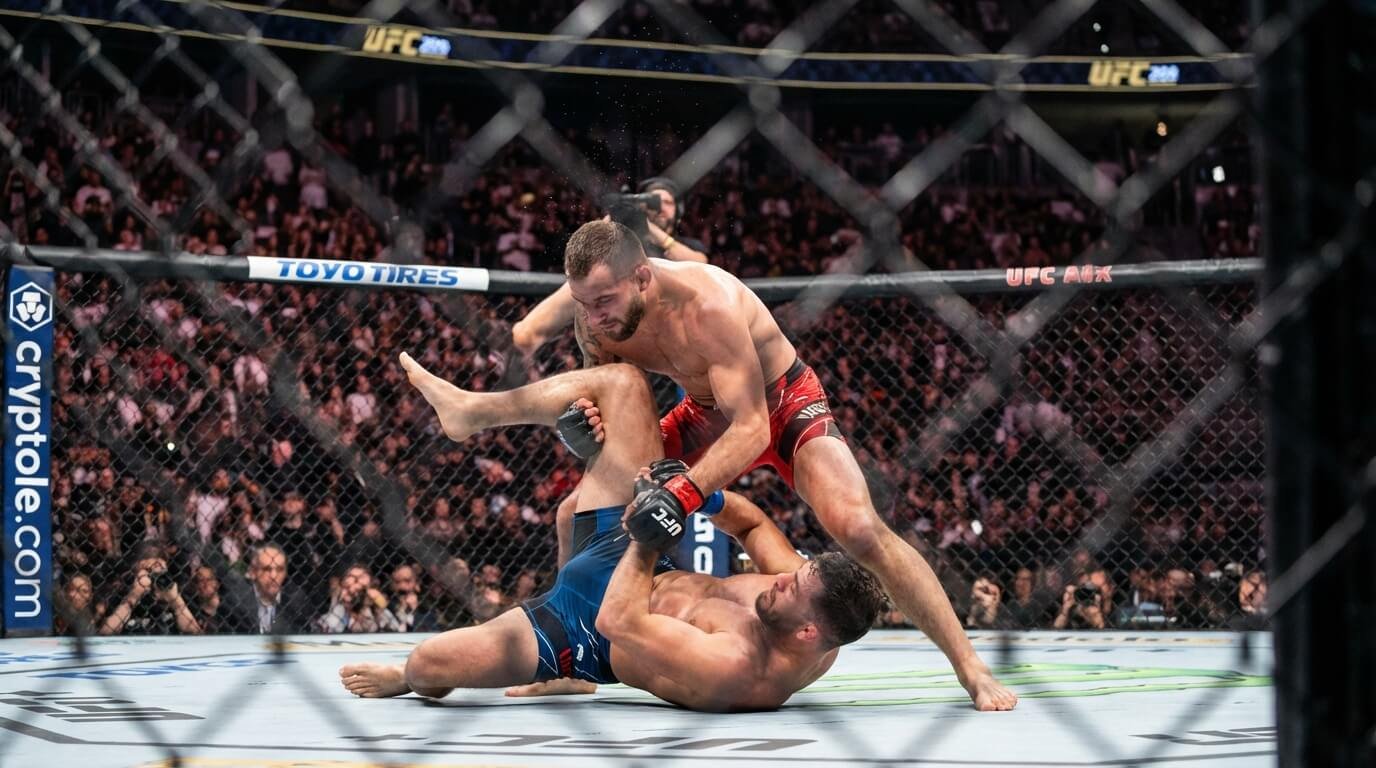
Mixed martial arts is chaotic, thrilling, and maddening for bettors. This guide walks through the evidence-based tactics professional bettors and analysts use to turn emotion into measurable advantage, from reading the numbers to managing a bankroll and executing bets during fight week. Why UFC betting demands its own playbook MMA differs from team sports in ways that matter to bettors. One fighter can change a bout with a single counter punch or a sudden submission, and stylistic matchups often dominate outcomes more than general records. Unlike baseball or basketball, where volume reduces variance across many events, UFC fights are discrete, high-variance affairs. That makes careful selection and risk control essential, because the market can be volatile and unforgiving. Understanding the sport’s specific dynamics — pace, strike differential, takedown success, and fight IQ — provides the edge. Bettors who treat fights as just another item on a betting board usually lose more than they gain. How odds work and where value hides Odds are shorthand for implied probability. Converting them into percentages reveals whether a line offers value compared to your estimate of a fighter’s true chances. For example, a -150 favorite implies a 60 percent chance of winning. If your model or assessment assigns a fighter a 66 percent chance, that -150 line would represent positive expected value (EV). Professional bettors chase EV, not winners. You can be correct more often than not and still lose if your stakes ignore value. Conversely, disciplined EV betting wins over time despite short-term swings. Types of bets and when to use them Moneyline bets on who wins are the backbone of UFC betting, but props and round markets often offer superior edges when exploited correctly. Each market has different information signals and levels of bookmaker margin. Prop bets — method of victory, round, or whether a fight goes the distance — can be softer than moneylines because they split attention and require specialized knowledge. Parlays increase payout but multiply bookmaker edge and variance. Use moneylines for matchup clarity, props to leverage deep scouting, and parlays sparingly as a small, discretionary portion of your ticket mix. Converting odds and implied probability American, decimal, and fractional odds are convertible. For American odds: if positive, implied probability = 100 / (odds + 100); if negative, = -odds / (-odds + 100). Decimal odds simply invert to probability: 1 / decimal. Always adjust implied probability for bookmaker…

UFC Betting. The Best Strategy — A Complete Guide from the Experts Read Post »

UFC. Betting strategy on “the fight will go to a decision”

Picking a fight to go the distance can feel like betting against the house: the payoff is often steady and, when chosen well, surprisingly profitable. This article walks you through a practical, evidence-minded approach to wagering on decision outcomes in UFC bouts. You’ll get a mix of strategy, real-world heuristics, and disciplined bankroll thinking that turns intuition into repeatable results. Why bet on decisions at all? Most casual bettors focus on finishes because knockouts and submissions are dramatic and simple to understand. But markets often underprice the likelihood of decisions because finishes draw attention—and bookmakers profit when public sentiment leans that way. When you spot mismatch between the public’s emotion and the actual tactical reality of a fight, the decision market often offers value. Decisions are especially appealing for bettors who prefer lower variance. A successful decision bet typically requires correct foresight about styles and pacing rather than predicting a single explosive moment. That makes it a useful tool for portfolio balance: smaller but steadier returns that complement higher-variance moneyline or prop bets. Start with style matchups: the core indicator The most reliable predictor of a decision is stylistic contrast. Two skilled strikers who maintain distance and possess good defense often cancel each other out, leaving rounds to be decided on points. Similarly, fighters who rely on positional control and top-time but are not heavy finishers will tend to accumulate rounds rather than sudden endings. Assess three stylistic axes: finish rate (how often a fighter ends fights), defensive vulnerability (susceptibility to submissions or KOs), and pace/cardio (ability to maintain output across rounds). Cross-referencing these gives a clearer picture than any single stat. For example, a high-output wrestler with a low finish rate pressing a precise counter-striker who rarely gets taken down makes a decision likely. How to quantify style quickly Use official fight stats and reputable databases to get a snapshot: striking accuracy, significant strikes landed per minute, takedown success and defense, and career finish percentage. These figures form the backbone of any data-driven view. Sites such as UFCStats compile fight-by-fight numbers that are straightforward to parse into an expectation for finishes versus decisions. Beyond numbers, watch two or three recent full fights per fighter. Raw metrics miss tactical nuance—timing, feints, clinch work, and how a fighter reacts when pressured. Video can expose conservative fight IQ or a tendency to slow in championship rounds, both of which boost decision chances.…

UFC. Betting strategy on “the fight will go to a decision” Read Post »

UFC. Betting strategy for takedowns

UFC. Betting strategy for takedowns

If you’ve ever watched an MMA fight with more than casual interest, you know takedowns change everything: they move the fight from striking to grappling, drain stamina, and often dictate judges’ minds. Betting on takedowns is a different animal than backing a winner — it’s about process, not just outcome. This article walks through the metrics, the matchup reading, and concrete staking tactics that experienced bettors use to find value in the takedown market. Why takedown markets matter and how they differ from fight moneyline bets Takedown markets — such as "total takedowns," "takedown attempts," or "will attempt a takedown" — let you concentrate on a single dimension of the fight. These markets are attractive because they can be more predictable than the chaos of an entire fight, particularly when fighters have contrasting styles. You’re not predicting a finish; you’re forecasting specific, measurable actions. Unlike moneyline or method-of-victory bets, takedown wagers reward disciplined study of history and context. A lightweight wrestler with high takedown accuracy against a striker with poor takedown defense often offers clearer edges than trying to decide who wins the fight outright. The trick is isolating when the public has mispriced those tendencies. Core metrics to evaluate Not all takedown stats are equally useful. Start with three core figures: takedowns per 15 minutes (or per fight), takedown accuracy, and takedown defense. Those numbers create a baseline expectation for how often a fighter executes or yields takedowns under normal fight conditions. Secondary but essential stats include clinch time, average fight pace (strikes and movement), and submission attempts from top position. Clinch-heavy fighters may land takedowns that are “workmanlike” rather than flashy, and those still count for totals. Also account for fight length — a fighter with high takedowns per 15 may be limited by a short, early finish risk. How to read takedown attempts vs. takedown successes Bookmakers often offer both attempts and successful takedowns. Attempts reflect intent and game plan; successes reflect execution. A fighter who relentlessly shoots but has low conversion may still inflate an attempts market, so you can profit if you expect the opponent to stuff attempts and make the shooter keep trying. Conversely, a high-success, low-attempt wrestler is dangerous for totals: fewer but more efficient takedowns push the success number up without many attempts showing up on live tickers. Compare both metrics and favor the market that aligns with the matchup story. Matchup…

UFC. Betting strategy for takedowns Read Post »

UFC. Betting strategy for events in different time zones

Betting on UFC cards that straddle time zones is as much about timing your wagers as it is about picking winners. Between late-night pay-per-views in Las Vegas, midday cards in London, and prime-time shows in Asia, markets behave differently and so should your approach. This article walks through how schedules, market liquidity, information flow, and personal stamina interact — and it offers practical tactics you can use the next time you’re sizing bets across the clock. Why time zones matter more than you think Odds are not generated in a vacuum; they reflect available information, bettor behavior, and bookmaker risk management at the moment a line is released. When a card is staged far from the major betting markets, the early lines can be thin and inefficient. That inefficiency is the opening for sharper bettors who plan around the clock. Time-zone effects also shape the pace of news. Injuries, weight-cut issues, and late replacements often surface during local business hours — which may be the middle of the night for bettors elsewhere. If you’re asleep when that intel drops, you risk missing a value swing or having to react under stress the next morning. How scheduling affects odds and market movement There’s a predictable lifecycle to UFC markets: initial release, early market discovery, propagation of news, and contraction (as bookmakers balance exposure). For cards hosted in distant zones, the initial release may be thin because fewer bettors are active. That thinness often produces larger opening odds spreads and more opportunity for movement. Conversely, once international news wires pick up a story or local journalists publish updates, lines can move sharply in a short window. Smart bettors monitor the sources that operate in the event’s time zone — local MMA reporters, promotion social channels, and official commission notifications — because those are often the first reliable indicators of meaningful change. Early lines vs. late lines — where value typically hides Early lines sometimes overvalue favorites when liquidity is low and bookmakers price conservatively to protect liability. In contrast, late lines — especially those just before walkouts or during countdowns — can be volatile when last-minute injury reports or weight-miss news appears. Each presents different chances: early lines for methodical, analytical value, late lines for reactive, information-driven opportunities. Which to choose depends on your setup. If you have access to round-the-clock reliable news and can execute quickly, late-move reactions can beat public…

UFC. Betting strategy for events in different time zones Read Post »

Boxing. Betting strategy for the winner of the fight

Boxing. Betting strategy for the winner of the fight

Placing a straight bet on the winner of a boxing match looks simple on the surface: pick a fighter, stake some money, and wait. The reality is messier. Smart bettors separate noise from signal, manage their bankroll, and hunt for small edges that compound over time. Reading odds and understanding implied probability Odds are a translation of market belief into numbers, and the first step is to translate them back into probability. Decimal odds are easiest: implied probability = 1 / decimal odds. Remember to remove the bookmaker's margin—vig inflates odds so the total implied probabilities exceed 100 percent. Favorites often underpay relative to their true chance because of the favorite-longshot bias, especially with casual bettors piling onto household names. Your job is to spot when the market's probability differs meaningfully from your assessment; that gap is where value lives. What to research before backing a winner Fight film is the undeniable starting point. Styles make fights: a pressure fighter who eats punches can steamroll a technical boxer who lacks power, yet a snappy counterpuncher can turn pressure into an exploit. Watch a full fight, not highlight reels, and focus on how each fighter handles adversity and change of pace. Quantitative data complements tape. Look at recent fight frequency, punch output and connect rates (CompuBox numbers), reach and height differences, age, and significant strikes absorbed. Short notice replacements, weight-cut drama, and reported injuries can shift a fight's expectation more than a few public rounds of sparring. Weighing experience, camp, and intangibles Training camp reports, changes in trainers, and sparring narratives are low-signal individually but add up. A fighter who switches trainers two months before a bout may have a tactical advantage or simply not be fully adapted to new systems. Similarly, a historically strong camp with little reported drama is a subtle plus. Travel and venue matter, too. Home advantage can be psychological and influence judging in close rounds. For undercards and smaller venues, local support can tip some close rounds to the hometown fighter, which is important when the line is tight. Assessing value: how to build your own probability estimate Create a checklist and assign rough probabilities to key elements rather than trying to generate a single precise number. For example, estimate each fighter's chance of winning by decision, knockout, or being stopped, then combine those scenarios. This forces discipline and helps avoid simple hunch-based calls. Compare your…

Boxing. Betting strategy for the winner of the fight Read Post »

Boxing. Betting strategy for “total rounds”

Betting the total rounds in a boxing match is one of those markets that rewards patience, homework, and a cool head. You are not just guessing who wins; you are forecasting the fight’s tempo, the likelihood of a stoppage, and where in the card the drama will unfold. This article breaks down practical methods you can use to find value on totals, whether you’re betting pre-fight or in-play. What “total rounds” means and how bookmakers set the line Total rounds (often offered as over/under a number like 7.5) asks whether the fight will end before or after the set round. If you take Over 7.5, you win if the fight reaches the eighth round or goes the distance past seven. If you take Under 7.5, you win if the fight ends during the seventh round or earlier. Books set these lines using a mix of public betting patterns, predictive models, and expert traders. They factor in knockout rates, styles, recent form, and sometimes data feeds like CompuBox. Keep in mind the books add a margin, so your job is to find instances where the implied probability understates the true likelihood. Core variables that move total-rounds lines Styles matter more than many bettors think. A matchup pitting a one-punch knockout artist against a durable, low-output boxer often pushes the market toward a stoppage — but only if the power man lands consistently. Two high-volume, technical boxers who rarely get knocked out push the line toward the later rounds or the distance. Historical finishing rates are crucial. Look at both fighters’ career KO percentages and, importantly, the distribution of when those stoppages occur. A fighter who stops opponents mainly in rounds 1–3 is a different betting profile than a fighter whose KO power shows in rounds 8–12. Other variables include weight class (higher weight generally yields more KOs), recent activity (rusty fighters tend to fade and can be stopped), accumulated damage across the career (wear-and-tear lowers durability), and even referee style or commission tendencies. Travel, altitude, and gloves/round length rules can nudge the market too. Referee and corner behavior: underrated levers Some referees are quicker to step in; others give more latitude. That affects the probability of stoppages, especially in closely contested rounds. Similarly, corners that throw in the towel or stop fights early change the distribution of rounds in ways a simple KO% can’t capture. Local commissions and championship vs. non-championship…

Boxing. Betting strategy for “total rounds” Read Post »

UFC. Betting strategy for short notice

UFC. Betting strategy for short notice

Short-notice fights are the chess moves that change an entire UFC card overnight: a replacement steps in, odds swing, and onlookers scramble to reassess. If you bet on MMA, these moments are opportunities and traps at the same time—opportunities for edges and traps that eat bankrolls. This article walks through a practical, experience-driven approach to weighing those sudden matchups and placing smarter bets when time is tight. Why short-notice fights shift the betting landscape When a fighter accepts a bout on short notice, the public and bookmakers both recalibrate. Bookmakers update lines to reflect immediate information—training status, travel, medical clearances—and the books often widen until sharper money appears. That gap between bookmaker reaction and sharp reaction creates a window for informed bettors. Not every replacement changes the competitive balance in the same way. A late sub who fights at a natural weight with a full, recent camp can be less risky than a last-minute entrant stepping up multiple weight classes or taking an opponent with opposite strengths. Context matters more than the headline. How odds are created and where short notice breaks expectations Lines start with implied probability from power rankings, recent form, and matchup specifics. For short-notice fights, bookmakers give extra weight to uncertainties: medical issues, travel fatigue, and whether the replacement has fought recently. That uncertainty often inflates the favorite's price or overcorrects in the opposite direction. Public bettors react differently than sharps. Casual money tends to follow names, not nuance—if a recognizable fighter is announced as an underdog taking a fight on days' notice, public sympathy bets can create value elsewhere. Experienced bettors look for those dislocations, not just the headline. Checklist: what to evaluate the moment a short-notice fight is announced A rapid but methodical review beats impulse bets. The core questions: Was the replacement competing recently? Is the fight at a comfortable weight? How do styles match up? What logistical hurdles—travel, weight cut, commission paperwork—exist? Answering these quickly filters out most bad bets. Below is a concise checklist you can use in the first 10–30 minutes after an announcement. It prioritizes the elements that typically swing outcomes and lines. Factor Why it matters Priority Recent fight activity Indicates conditioning and fight rhythm High Weight differential and cut difficulty Short cuts increase health risk and weight-miss chance High Stylistic matchup Timing and style advantages don’t vanish with short notice Medium Travel and acclimation Jet lag and…

UFC. Betting strategy for short notice Read Post »

UFC. Betting strategy for “cardio vs power”

UFC. Betting strategy for “cardio vs power”

When two fighters step into the Octagon, the contest often reduces to a simple question: who imposes their will — the tireless grinder who outpaces opponents, or the one-punch threat who ends nights abruptly? This article walks through a practical, evidence-based approach to betting on matchups that hinge on cardio versus power, helping you turn observation and stats into a repeatable edge. Why the cardio vs power framing matters for bettors Bookmakers price odds around expected outcomes, but they rarely capture subtle edges like endurance decay across championship rounds or an opponent’s inability to string together combinations late. Recognizing whether a fight is a test of sustained output or a hunt for a single decisive strike changes what bets make sense: moneyline, method props, or round markets. Cardio and power are not binary labels; they exist on spectra and interact with style, weight class, and fight length. A power puncher in a three-round fight is a different betting proposition than that same puncher in a five-round title fight against a relentless pressure fighter with elite conditioning. Defining the terms: what we mean by “cardio” and “power” Cardio for MMA means more than aerobic fitness. It includes the ability to maintain pace, recover between exchanges, hold positional control in grappling, and execute technique late into a round or deep into later rounds. A fighter with great fight cardio can sustain a high volume and remain sharp as the clock runs down. Power is about finishing capability — the force, timing, and placement that make strikes or grappling sequences fight-ending. Power can show up as a knockout punch, a slam, or submission setup that finishes quickly. Some fighters combine both: explosive power with peppers of endurance, complicating simple bets. How to evaluate fighter cardio before you bet Start with objective measures: past fight pace (significant strikes landed per minute), total fight time, and late-round output trends available at official UFC Stats. Watch whether a fighter’s activity drops in rounds three to five, and confirm with video: do combinations shrink to single strikes? Do takedowns lose steam? Those patterns matter more than generic fitness labels. Contextualize age, recent fight schedule, and camp reports. Older fighters or those coming off injury-prone months often have diminished recovery. Conversely, athletes from camps known for endurance-focused training show up ready for high-tempo fights. I’ve tracked fighters across cards and seen a predictable falloff in volume for certain…

UFC. Betting strategy for “cardio vs power” Read Post »

Boxing. Betting strategy for jab-oriented fighters

Boxing. Betting strategy for jab-oriented fighters

The jab is the most underrated instrument in a boxer’s toolkit, and when a fighter builds a game plan around it, the betting picture changes in ways many casual backers miss. This article walks through how to read styles, interpret statistics, and place smarter wagers when one corner plans to win with range, rhythm, and repeatable accuracy rather than one-punch knockouts. Expect tactical frameworks, in-play ideas, and a few real-world examples drawn from years of following the sport and testing strategies on smaller stakes. Understanding the jab: mechanics and match impact The jab does several jobs at once: it measures distance, disrupts timing, accumulates points, and sets up bigger punches. A fighter who commits to the jab usually accepts lower knockout odds but improves chances of out-landing an opponent over the course of rounds, which translates into decision victories when judges favor clean, consistent scoring. Technically, an effective jab is about timing, footwork, and recovery as much as raw speed. A long-reach boxer who jabs well can control range and force their opponent to take risks to get inside, making for slower tempo but clearer round-by-round control—precisely the scenario bettors should interpret differently from a slugfest. How jabs shape betting markets Bookmakers price fights primarily around likely outcomes: knockout, decision, or stoppage by other means. When a fighter is visibly jab-oriented, markets tend to underprice decision outcomes relative to knockout outcomes because heavy hitters are more exciting to bettors and therefore skew lines. That discrepancy opens value for disciplined bettors who expect points victories. Another market influenced by jab-heavy styles is round betting. A fighter who uses the jab to accumulate control often drifts into gradual dominance, making later-round decision value sensible. Conversely, early-round knockouts become less likely. Recognizing this pattern helps bettors shift bankroll toward longer-duration outcomes and reduce wagers on early stoppage props. Why public perception matters Casual fans and many recreational bettors favor highlight plays—big hooks, knockdowns, and flashy finishes. A steady jab doesn’t create those moments as often, so the public will sometimes over-bet the more exciting fighter even if the jabber is winning through accumulation. That public bias can make lines inefficient, a situation savvy bettors can exploit by backing the technically superior, less dramatic boxer at favorable odds. That dynamic also means pre-fight odds can shift dramatically if a jabber is rated as a “boring” style. When those shifts occur, value often appears in…

Boxing. Betting strategy for jab-oriented fighters Read Post »

UFC. Betting strategy on “early time or by decision”

Betting on mixed martial arts forces you to choose not just who wins, but how. The market for “antes do tempo ou por decisão” — whether a bout finishes early or goes the distance — offers distinct risk-reward trade-offs and requires a different toolkit than moneyline wagering. What these bet types mean and why they matter “Antes do tempo” refers to a stoppage: knockout, technical knockout, or submission. “Por decisão” means the fight reaches the judges’ scorecards and is decided after all rounds are complete. Bookmakers price these outcomes separately because they capture different aspects of fighter behavior. A fighter with heavy hands and poor cardio will show up differently in the markets than a point fighter who grinds out rounds. Style profiles that favor early finishes Look for athletes who land big strikes, have high finishing intent, or display a history of first- or second-round stoppages. Clean power and a tendency to commit to heavy entries often shorten fights quickly. Other signals include poor takedown defense combined with high opponent pressure; that mismatch can lead to scrambles and exposed chins. In heavier divisions, a single clean shot can end the fight, so finish rates tend to be higher. Style profiles that favor decisions Fighters who are technically sound, patient, and gifted in range management naturally push toward decisions. Those who avoid risky exchanges, rely on volume striking, and possess durable chins usually accumulate rounds rather than finishes. Additionally, athletes with elite cardio and smart pacing reduce the likelihood of a late stoppage. Matchups between two high-IQ, low-risk fighters are textbook decision scenarios — boring for some, profitable for the disciplined bettor. Key statistics to check before you wager Numbers don’t tell the whole story, but they provide an objective backbone. Finish rate, significant strike differential, average fight time, takedown accuracy, and strikes absorbed per minute are the most useful metrics. Win-loss records can lie when taken alone; dig into methods of victory and defeat. A fighter 6-0 with all decisions is not the same as a 6-0 with four TKOs and two submissions. Metrics, signals, and interpretation Significant strikes landed per minute (SLpM) and significant strikes absorbed per minute (SApM) together reveal whether exchanges are decisive. High SLpM coupled with relatively low SApM suggests damage output without risk, which often produces late finishes rather than early ones. Takedown defense and submission averages change the calculus: a wrestler who dominates…

UFC. Betting strategy on “early time or by decision” Read Post »

UFC. Betting strategy for “size difference”

UFC. Betting strategy for “size difference”

Size in mixed martial arts is one of those things that feels obvious until you try to turn it into money. Bigger fighters punch harder, carry more mass into the clinch, and often eat shots better. But size is only useful when it’s paired with skill, cardio, and context — and if you’re betting, those qualifiers determine whether that size is a market edge or a money trap. Why size matters in MMA At a glance, size gives a fighter advantages you can see on the canvas: reach for jabs, weight on top for grappling, and the raw kinetic energy that makes a punch fight-ending. Those physical facts influence early betting lines because oddsmakers and the betting public instinctively reward physical dominance. Size also interacts with MMA’s unique rule set. A heavier fighter who can pin an opponent on the fence can stifle offense, and a long-reach striker can reset distance repeatedly to land clean shots. These tactical realities matter because they create predictable patterns that bettors can model. However, size brings trade-offs. Fighters who move up a weight class may lack speed and cardio at that class’s pace, and a large athlete who cuts weight excessively may experience dramatic rehydration swings that impair performance. Effective betting accounts for those trade-offs rather than assuming size equals automatic success. How to quantify size difference When evaluating matchups, look beyond the official weight class and consider measurable attributes: reach, height, walking weight, and history of rehydration. Reach and height are straightforward; walking weight and how much a fighter cuts before weigh-ins require digging into interviews, camp reports, and patterns from previous fights. A simple table helps focus what to check before placing a wager: Metric Why it matters Reach Determines striking range and the ability to keep an opponent at bay. Height Influences leverage in clinches and striking angles. Walking weight Shows how much mass a fighter regains after weigh-ins; large swings can indicate size advantage on fight night. Previous cut history Offers clues on cardio and post-weigh-in recovery. Don’t treat any single metric as definitive. Instead, assemble a profile. A fighter with modest reach but a two-inch height advantage and 15 pounds regained after weigh-ins presents a different picture than a tall fighter who always drains down and rehydrates poorly. Sources of reliable size data Official fight week data like weigh-in numbers and UFC Stats profiles are primary sources. Fighter interviews…

UFC. Betting strategy for “size difference” Read Post »

Sports Betting. The Best Strategy — A Complete Guide from the Experts

Sports betting attracts sharp analytics, casual fans, and anyone who enjoys the pulse of competition. This guide walks through the evidence, the math, and the human factors that separate hopeful gamblers from consistent, disciplined bettors. Read on for strategies grounded in research, practical rules you can apply immediately, and the real-world lessons learned by professionals. Why strategy matters more than luck Most bettors focus on picking winners and losers, but the long-term outcome depends on process, not single results. A solid strategy turns short-term variance into an advantage by managing risk, finding edges, and limiting costly mistakes. Think of betting like running a small investment fund: returns fluctuate, but consistent rules and risk controls determine whether you grow your bankroll or slowly give it away to the house. That mindset is critical before you place your first wager. Fundamental concepts every bettor should know Before placing bets, understand expected value (EV), variance, and implied probability. Expected value calculates the average outcome of a bet over many repetitions; positive EV bets are the only sustainable way to profit. Variance is the size of swings you will experience. Sports betting has high variance — even the best systems lose frequently — so you must manage bankroll and expectations accordingly. Implied probability converts odds into a percentage to compare against your own estimate of an event’s likelihood. Odds formats and how to read them Odds come in American, decimal, and fractional formats. American odds are common in the U.S.: positive numbers show potential profit on a $100 stake; negative numbers show how much you must stake to win $100. Decimal odds express the total payout per unit staked, making expected value calculations straightforward. Convert odds to implied probability to test for value. For example, decimal odds of 2.50 imply a 40% chance (1 / 2.50). If your model estimates a 48% chance, that bet carries positive expected value and is worth considering. House edge and juice Books build revenue by charging a commission, typically called vig or juice. On a standard -110 market (American), you must risk $110 to win $100; that extra $10 per $100 is the bookmaker’s margin. Over many bets, vig erodes returns and makes finding true edges more difficult. Shop around for the best lines and compare prices across multiple sportsbooks. Small differences in odds compound over time and can turn a negative EV approach into a positive one…

Sports Betting. The Best Strategy — A Complete Guide from the Experts Read Post »

NHL betting. The best strategy — a complete guide from the experts

Hockey moves fast. So must your thinking if you want to beat lines and find value. This guide condenses decades of public analytics, insider practice, and my own seasons of testing bankroll plans into a single playbook designed for both serious newcomers and experienced bettors looking to tighten their edge. Why NHL betting is different from other sports The puck is a low-scoring object; variance rules many outcomes. Unlike high-scoring games where a single event rarely swings the final result, an NHL game can flip on one bounce, a hot goalie, or a late penalty. That makes short-run results noisy and long-term edges hard to spot without disciplined methods. Game-state effects—like score effects and venue travel—matter more here than in many sports. Teams protect leads, coaches change tactics on the fly, and line deployment can tilt expected goals dramatically. Betting strategies that ignore these in-play realities will underperform. Finally, markets for NHL lines are thinner than for football or basketball. Fewer bettors, smaller books, and less consistent information flow mean odds can lag true value longer—an opportunity for disciplined bettors who do their homework and use multiple sportsbooks. Core bet types and when to use them Understanding the tools in your toolbox is foundational. Use the right bet for the situation: moneyline when you want a simple win/loss with a clear favorite, totals when models show disagreement about tempo or goaltending, and props when public attention creates mispriced narratives. Below is a compact table that outlines common NHL bet types, typical use cases, and major pros and cons to guide selection. Bet type When to use Pros Cons Moneyline Match-winner; when you trust team/goalie model Simple; wide availability Favorites have low juice; variance Puck line (spread) Want more value on favorites or upside on dogs Better payouts vs. moneyline High variance; favorites may still lose by 1 goal Totals (Over/Under) When models disagree on scoring tempo Less dependent on goalie; exploit tempo mismatches Impacted by sudden scratches or penalties Player props When player usage or matchup creates edge Frequent market inefficiencies Short-term noise; lineup risk Futures Long-term value on season outcomes High ROI if early value found Capital tied up; injuries and roster changes Live/in-play Reacting to game state and momentum Exploit in-game mispricings Requires speed, discipline; emotional risk Statistics that actually move the needle Pick metrics that explain outcomes, not just describe them. Expected goals (xG) is the central…

NHL betting. The best strategy — a complete guide from the experts Read Post »

Scroll to Top