

Picking the tournament’s top scorer is part data science, part psychology, and part timing. You are not only guessing who will score the most goals; you are weighing minutes, team tactics, set-piece duties, and the bookmaker’s appetite for taking risk. This article lays out a clear, practical approach you can use before the first whistle and as the competition unfolds.
Know the market and read the fine print
Before placing any stake, study the market you’re about to bet on. “Top scorer” markets vary by bookmaker: some pay joint winners, some apply tie-breakers such as assists or minutes played, and some void bets if a player withdraws before the tournament starts.
Always check the rules for the specific tournament and operator. That small paragraph in the T&Cs can change whether a speculative longshot becomes a reasonable value play or a trap that disappears if your pick is substituted out of the squad.
Build your pre-tournament model
Successful bettors combine objective metrics with situational knowledge. Start with minutes-availability: the single most important factor is how many minutes a player is likely to play. A prolific striker who could be substituted early or rotated frequently is a much riskier pick than a slightly less clinical forward who plays every minute.
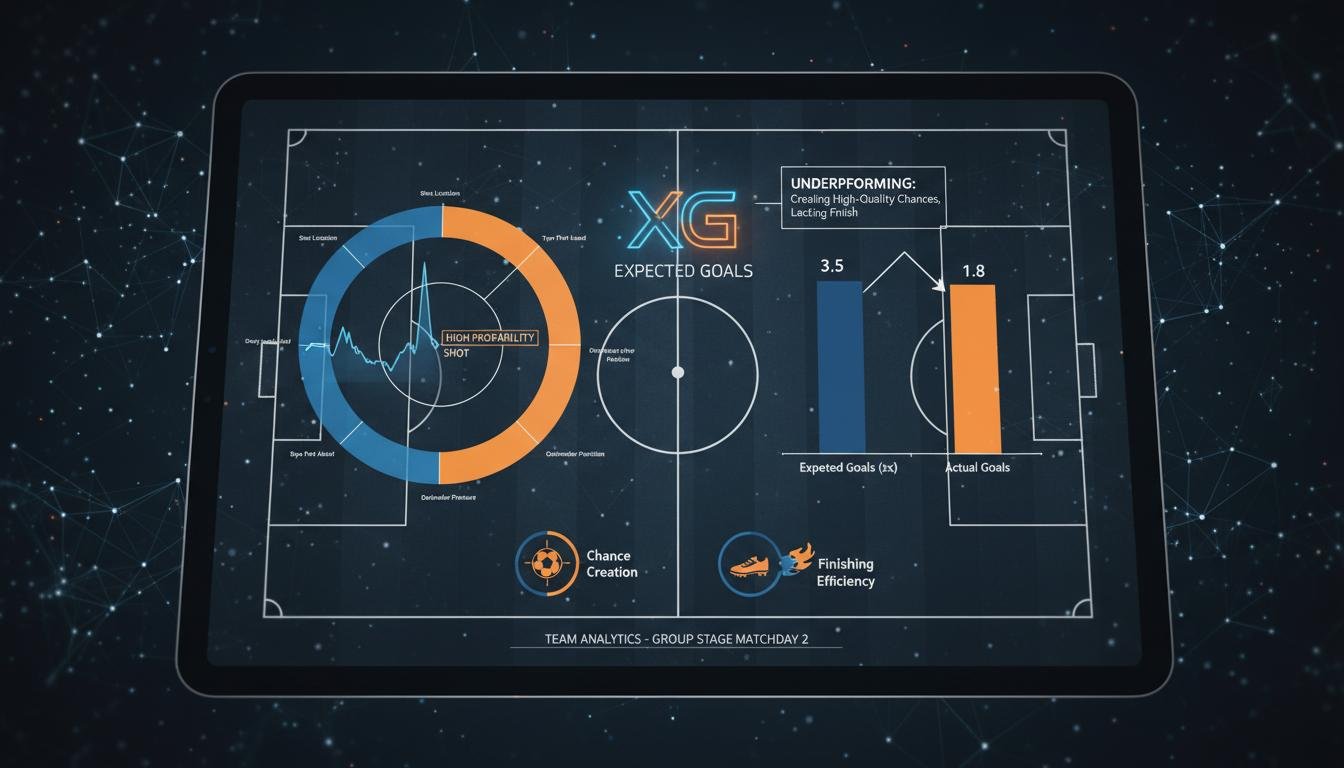
Layer in expected goals (xG) and shot volume — these are predictive indicators rather than past glory. Players who take a lot of shots from favorable positions tend to keep producing chances; those with high conversion rates but low volume are more vulnerable to regression.
Finally, factor in set-piece and penalty duties. Penalties are high-leverage scoring opportunities; the designated taker gets a significant bump in top-scorer probability. Document these three elements and rank prospects accordingly.
Quick checklist for pre-tournament evaluation
- Projected minutes and starting likelihood
- Position and team attacking style
- Set-piece/penalty responsibility
- Recent form and fitness
- Group-stage difficulty and potential number of matches
Use the checklist as a referee in your decision-making, not a rulebook. Some items will outweigh others depending on the tournament format and the player’s role.
Weight factors sensibly (a small table)
| Factor | Why it matters | Suggested weight |
|---|---|---|
| Projected minutes | More minutes = more scoring opportunities | 40% |
| Penalty/set-piece duties | Direct, high-probability goal chances | 25% |
| Shot volume/xG | Predicts future goal probability | 25% |
| Group difficulty/number of matches | Easy groups and deep runs increase totals | 10% |
This simple weighting helps translate qualitative scouting into a ranked list. Adjust weights to fit the tournament: in a short competition, penalties and minutes may deserve higher emphasis.
Construct a portfolio rather than a single ticket
Never put your entire bankroll on one longshot. Spread risk across a small portfolio: a favorite, a mid-priced value pick, and one or two speculative outsiders. The favorite provides stability; the value pick captures mispriced odds; longshots provide big payoff potential if things go your way.
Staking should be proportional to perceived edge. Use a percentage model (for example, 1–3% of your tournament bankroll per selection) rather than flat bets. This keeps single losses manageable and lets you stay active as the tournament progresses.
Types of bets to consider
- Outright top-scorer markets (the classic choice)
- Each-way (if offered) — useful for hedging in small tournaments
- Match-by-match props — scorecast or anytime scorer can be cheaper ways to back the same player
- Live in-tournament adjustments — back emerging form or hedge via opposite bets
Match props are often mispriced and can be a stealthy way to build downside protection while staying exposed to upside.
In-play adjustments: read the tournament as it happens
Tournaments are dynamic. Injuries, tactical shifts, and surprise performers will change probabilities faster than pre-tournament models. If your chosen favorite is substituted early in the first match or loses penalty duties, reassess immediately.
Live markets can offer value when public attention hasn’t caught up. For example, a backup striker who starts unexpectedly against a weak defense might be heavily undervalued for subsequent matches. Conversely, a hot scorer’s odds will shorten quickly; consider hedging to lock in profit when appropriate.
Manage bankroll, limits, and bookmaker quirks
Good bankroll management saves you from impulse plays after a poor run or a single big win. Break your tournament bankroll into units and allocate per your portfolio; resist the urge to chase losses with oversized bets. Consistency beats heroics.
Bookmakers also impose limits on winners. If you expect a high payout, spread bets across several reputable operators rather than concentrating action with one. Keep records of your stakes and odds; transparent tracking helps you evaluate where you find value over time.
Real-world examples and personal takeaways
Looking back at recent World Cups illustrates how different factors combine. In 2018, Harry Kane won the Golden Boot in part because he took penalties and featured in an attacking team that created chances; his minutes were high and he was his country’s focal point. In 2014, James Rodríguez’s run came from a hot streak of high-quality chances and central involvement in Colombia’s attack.
From my own experience betting tournament outrights, the best opportunities arrive early — when injury news and squad rotations are still hazy and bookmakers price favorites conservatively. I once backed a mid-priced striker who became his team’s penalty taker after the regular taker was suspended; the odds didn’t fully adjust and the bet paid handsomely. That taught me to stay nimble and monitor set-piece responsibilities closely.
Tools, data sources, and expert voices
Rely on authoritative data: Opta and StatsBomb for advanced metrics, Transfermarkt for minutes and club form, and official tournament sites like FIFA or UEFA for squads and disciplinary news. For statistical explanations and probabilistic thinking, FiveThirtyEight’s soccer pages are helpful.
Also consult reputable betting-analysis sites such as Pinnacle and OddsChecker for market behavior and historical lines. Follow trusted analysts (for example, StatsBomb and Opta accounts) for timely insights that often precede market moves.
Place your bets with discipline, remain curious about the data, and accept that variance is part of the game. When you combine careful pre-tournament modeling, sensible staking, and responsive in-tournament adjustments, you shift the balance toward consistent, informed decisions — and away from wishful thinking.
Sources and expert references
- FIFA — official tournament news and regulations: https://www.fifa.com
- Opta (stats provider) and analysis: https://www.optasports.com
- StatsBomb — data and tactical insights: https://statsbomb.com
- FiveThirtyEight soccer predictions and xG discussion: https://projects.fivethirtyeight.com/soccer-predictions
- Transfermarkt — player minutes, appearances, and squad info: https://www.transfermarkt.com
- Pinnacle — betting market analysis and guides: https://www.pinnacle.com
- BBC Sport — tournament reports and historical Golden Boot winners: https://www.bbc.com/sport