
Europe’s club scene in 2026 feels both familiar and refreshingly new: the old powerhouses still have teeth, but smarter scouting, sharper analytics, and a generation of hungry youngsters have tightened the gap. This roundup looks beyond trophies to assess who really matters on the continent right now — the clubs that blend budgets, coaching, talent development, and identity into sustained success.
What makes a European team elite in 2026
Elite status is no longer a simple trophy count. In 2026, I judge teams by four practical measures: sustained EuroLeague or domestic success, roster construction (balance of veterans and ascending talent), front-office competence (analytics, scouting networks), and adaptability on game day. Clubs that check all four tend to survive injuries and long seasons without collapsing.
Financial muscle still matters, but it’s been tempered by smarter spending. Teams that use data to identify undervalued players and invest in long-term youth development now compete with organizations that merely buy star power. Coaching continuity and identity — whether a defensive fortress or a pace-and-space attack — remain decisive when margins are thin.
Top contenders
These clubs are the safest bets to be at or near the top of European basketball in 2026. I’ve chosen them for consistent high-level performance, organizational stability, and resources that support competitive rosters year after year.
Real Madrid (Spain)
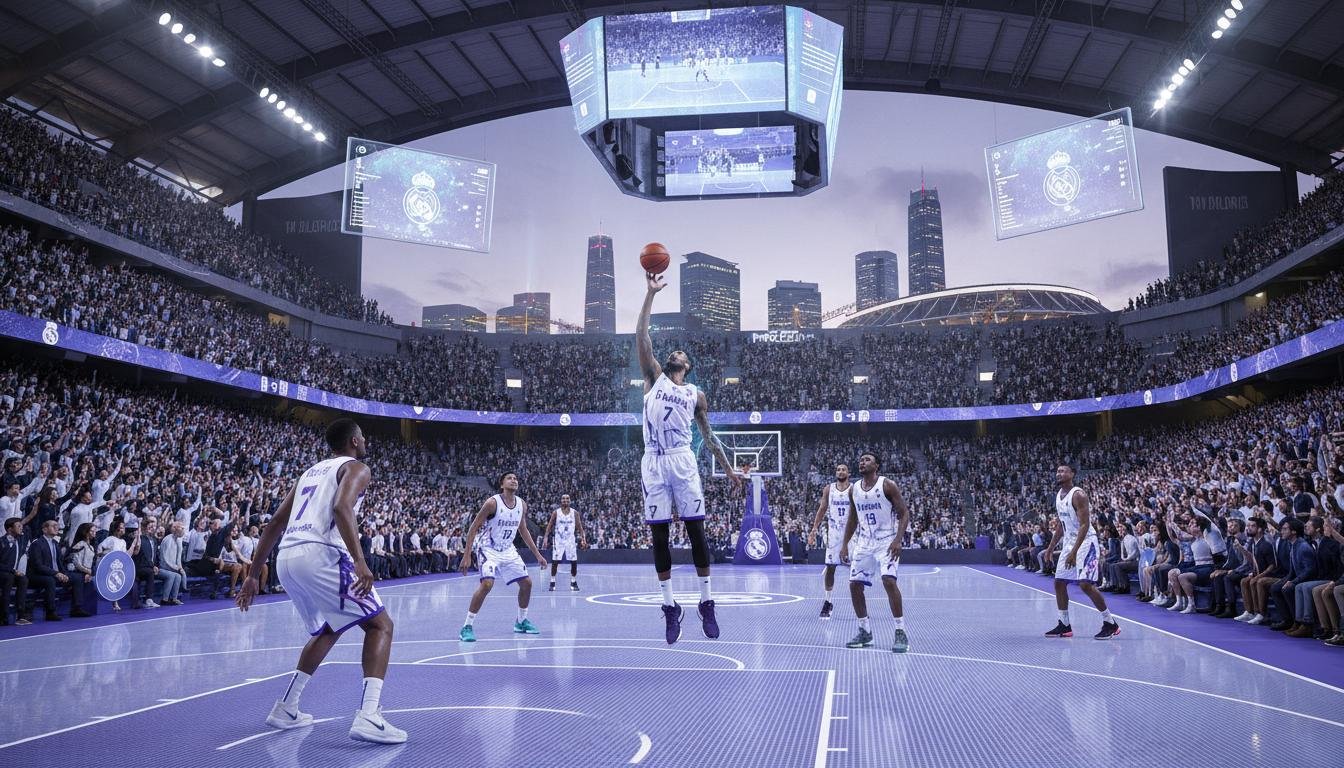
Real Madrid is a template for sustained excellence: deep pockets, a proven youth pipeline, and an organizational expectation of winning that filters down to every department. The club’s style blends tactical flexibility with high-level execution, which makes it tough to prepare for in short series and long campaigns alike.
What keeps Madrid in the conversation is not only the roster on paper but the club’s institutional memory — coaches, scouts, and development staff who have learned to regenerate talent without starting over every summer. That continuity translates into fewer rebuilds and more consistent results.
FC Barcelona (Spain)
FC Barcelona’s basketball arm has matched its soccer sibling in ambition, investing in infrastructure and talent development. Barcelona pairs domestic dominance with deep EuroLeague runs because it recruits skillful wings and versatile bigs who fit a modern, positionless style of play.
Barcelona’s edge is also cultural: the club’s academy and signing strategy favor players who buy into a system. When that alignment works, Barcelona can impose tempo and offensive creativity that wear teams down across a season.
Anadolu Efes (Turkey)
Anadolu Efes has repeatedly shown how a sustained project — focused scouting plus continuity at the coaching and front-office levels — bears fruit. The club is respected for building rosters that play a disciplined brand of offense, often stretching opponents with long-range shooters and skilled guards.
Efes’s domestic environment is competitive, which sharpens match readiness. That internal pressure, combined with a willingness to retain key pieces, makes them a perennial contender in continental play.
Partizan Belgrade (Serbia)
Partizan typifies the Eastern European model: passionate fanbase, relentless youth development, and a knack for producing high-IQ, combat-ready players. The club’s academy consistently supplies talent that can be integrated into its EuroLeague ambitions without blowing the budget.
In 2026, Partizan’s identity remains clear: high-energy defense, quick transition offense, and a home-court atmosphere that routinely influences results. Those intangible advantages make them dangerous in knockout situations.
Olympiacos Piraeus (Greece)
Olympiacos has long been a force because it blends investment with a winning culture and intense defense. The Greek club often assembles rosters that mix experienced EuroLeague campaigners with strong domestic performers, creating balance across rotations.
When Olympiacos is healthy and coached with continuity, it plays with the kind of toughness opponents dread late in games. That physical edge, plus savvy additions in the transfer market, keeps them among Europe’s elite.
Fenerbahçe (Turkey)
Fenerbahçe has built an infrastructure that supports repeatable success, from scouting networks across Europe to competitive salaries that attract top-tier talent. Strategic investments in coaching and analytics have helped the club remain relevant in both EuroLeague and domestic competition.
The club’s philosophy emphasizes big rotations and defensive versatility, enabling Fenerbahçe to weather slumps better than many rivals. Their blend of resources and structure keeps them firmly on the shortlists of title contenders.
| Club | Country | Distinctive strength |
|---|---|---|
| Real Madrid | Spain | Organizational depth and consistent talent regeneration |
| FC Barcelona | Spain | System-driven roster building and offensive creativity |
| Anadolu Efes | Turkey | Disciplined offense and continuity |
| Partizan Belgrade | Serbia | Youth development and home-court intensity |
| Olympiacos | Greece | Physical defense and knockout toughness |
| Fenerbahçe | Turkey | Resources plus defensive versatility |
Dark horses and rising programs
Below the obvious elite lies a deep tier of clubs capable of springing surprises. These teams blend shrewd recruitment with improving infrastructures and should not be taken lightly in 2026.
Virtus Bologna, Bayern Munich, Valencia Basket, ASVEL Villeurbanne, and Bayern’s counterparts have all shown the capacity to upset favorites. Their strengths vary — some over-index on youth, others on tactical innovation — but each can make noise when matchups and injuries align.
- Virtus Bologna: strong domestic setup and tactical coaching.
- Bayern Munich: financial backing and steady investment in scouting.
- Valencia Basket: efficient use of resources and player development.
- ASVEL Villeurbanne: developmental pipeline tied to ambitious ownership.
- Maccabi Tel Aviv: high-intensity play and experience in tight games.
How roster construction and coaching shape 2026 outcomes
Roster construction matters more than headline transfers. Teams that mix veteran leadership with versatile, younger players tend to handle the grind of EuroLeague travel and multiple competitions. Flexibility — the ability to switch defenses or empty the paint for a stretch lineup — is more valuable than a single star whose skills don’t adapt.
Coaching is the multiplier. A smart coach smooths rotations, manages minutes to avoid burnout, and can coax defensive improvements from players not known for stopping opponents. In my years covering European basketball, I’ve noticed teams with steady coaching simply win more close games late in the season.
How to watch and what to expect in 2026
EuroLeague action is widely available through league streaming platforms and national broadcasters, with domestic cups and regional leagues offering a packed calendar. Expect more analytics-driven broadcasts that highlight player tracking and lineup efficiency — a trend that helps viewers understand not just what happened but why.
On the court, anticipate tighter margins. Investment parity and improved scouting across Europe mean fewer runaway champions and more competitive group phases. Upsets will keep tournaments engaging, while clubs that commit to long-term projects will likely rise steadily rather than in a single transfer window.
Sources and experts
I drew on league-wide reporting, club materials, and long-term trend analysis to assemble this assessment. For up-to-date schedules, rosters, and official competition formats, consult the organizations and outlets below.
- EuroLeague official site: https://www.euroleaguebasketball.net
- FIBA (international competitions and governance): https://www.fiba.basketball
- Club websites (examples): Real Madrid — https://www.realmadrid.com/en, FC Barcelona — https://www.fcbarcelona.com/en/section/basketball
- European basketball reporting and analysis: Eurohoops — https://www.eurohoops.net
- General sports coverage and statistics: ESPN — https://www.espn.com