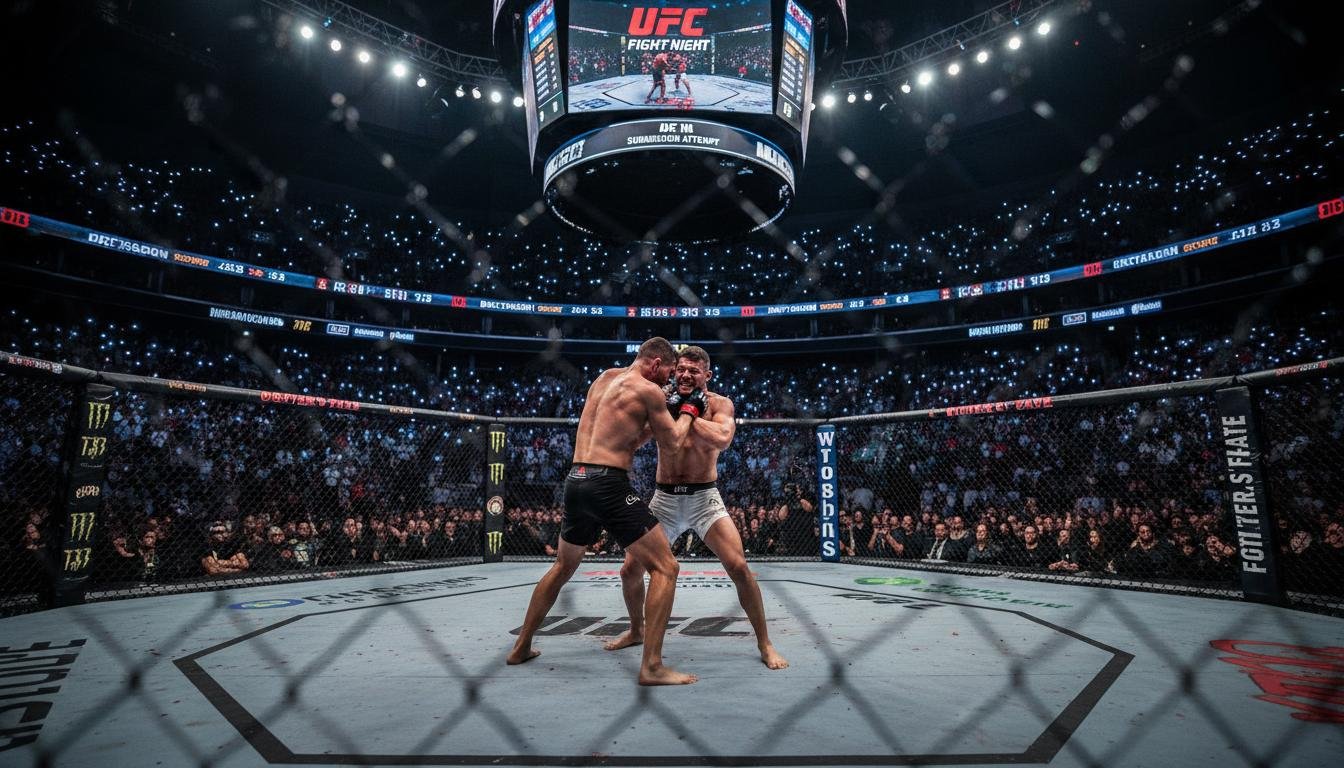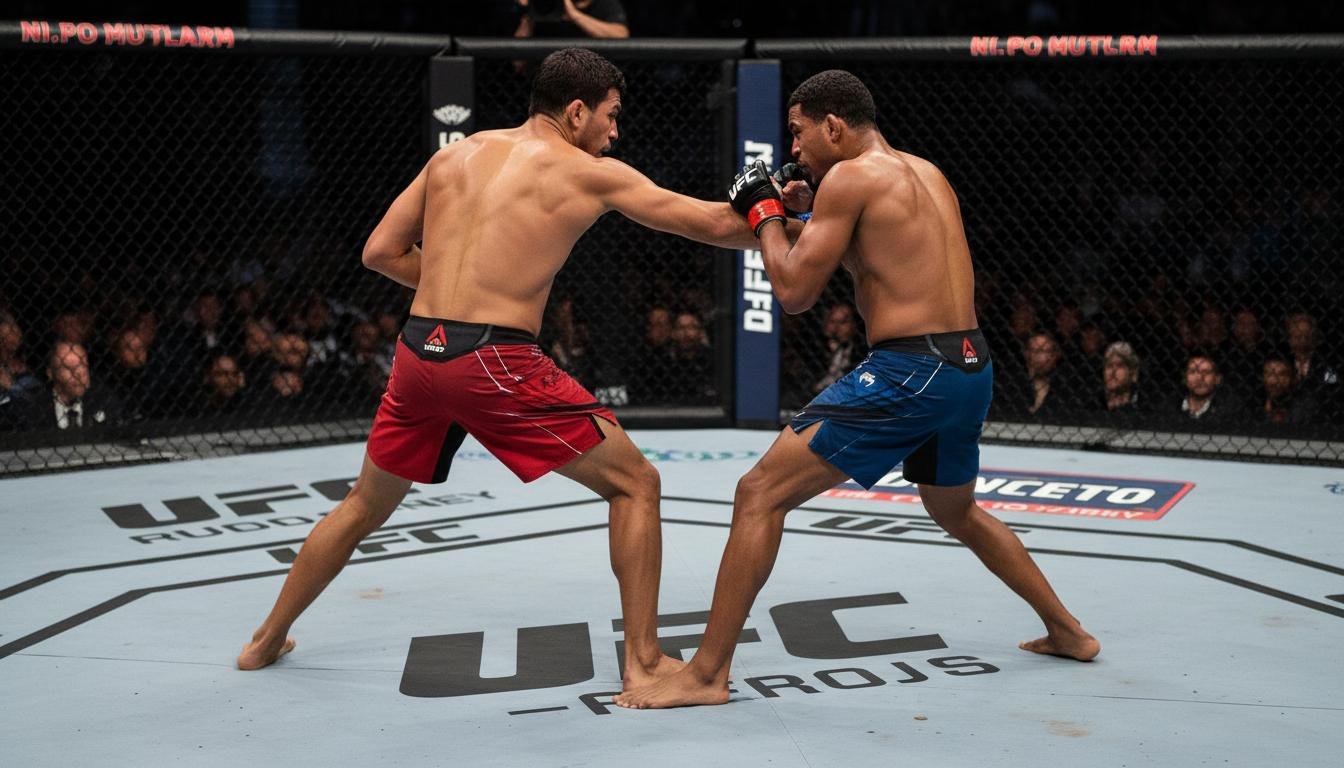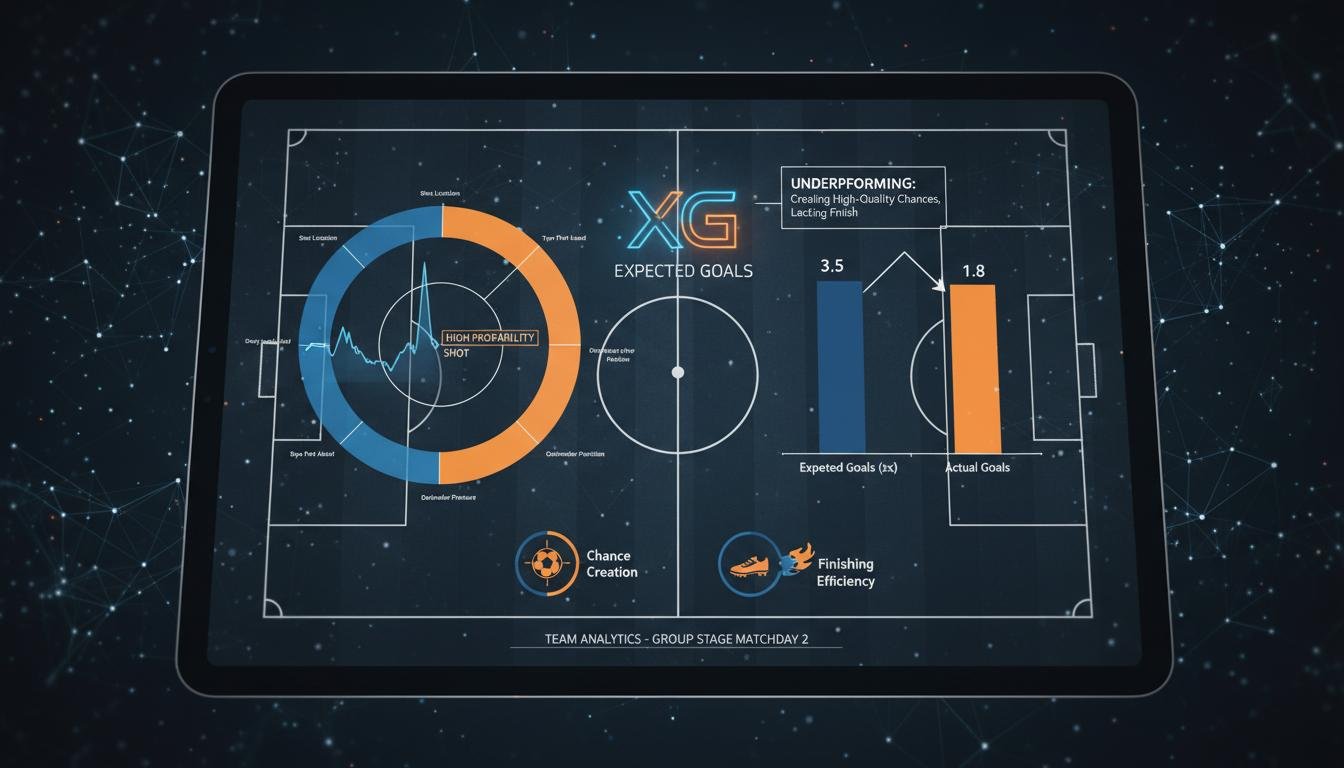

Betting on a fight to go to the judges, or backing a particular fighter to win on the cards, requires a different mindset than wagering on knockouts or submissions. Judges’ decisions are about accumulated, round-by-round advantages rather than single-game-changing moments, and successful bettors learn to read the scorecard before the final bell. This article walks through how to analyze fights, find value, and manage risk when judges — not finishes — determine your outcome.
Understand what judges actually score
Before you place a single dollar, learn the scoring priorities under the Unified Rules: effective striking and grappling lead, followed by effective aggressiveness and octagon control. Judges apply a 10-point must system round by round, so a fighter winning two close rounds will generally take the fight, even if they lose one round badly.
That means bettors must think round-by-round, not just about final statistics. A fighter who racks up one big moment but gets edged slightly over multiple rounds can still lose on the cards, and that’s where disciplined analysis pays off.
Types of decision bets and how they differ
There are several ways to bet on judges’ outcomes: moneyline on a fighter to win by decision, props like “fight goes to decision,” and markets on unanimous vs split decision. Each has different pricing and volatility, so choose the one that matches the edge you believe you’ve found.
For example, “fight goes to decision” is often a simpler, lower-variance play when public markets overvalue early finishes. Conversely, betting a specific fighter to win by decision requires belief that they will outpoint their opponent across most rounds without being finished.
Spot the stylistic matchups that favor judges’ calls
Some styles naturally push fights to the scorecards. Pressure wrestlers who grind pace and control position typically win rounds without highlight-reel moments. Similarly, technical boxers who keep distance and consistently land light, scoring strikes can accumulate round wins while avoiding big-splash finishes.
Conversely, pure knockout artists lower the probability of a decision. When oddsmakers overreact to a fighter’s highlight power in pre-fight lines, opportunities open up to back the less flashy technician to pick up decision wins.
Key metrics to prioritize in your analysis
Look beyond headline stats. Significant strike differential, takedown success and defense, top-control time, and sustained octagon control are more predictive of judges’ scoring than raw activity numbers. Sites that provide round-by-round and career trends give you context about how a fighter wins rounds.
What matters most is consistency: fighters who consistently outland opponents across rounds tend to win on points. Also consider late-round cardio indicators—fighters who fade in rounds three to five are dangerous candidates to avoid in decision markets for longer fights.
Use judge and commission tendencies to your advantage
Judging is regional and sometimes subjective. Some commissions and judges lean toward awarding rounds to more active fighters, while others reward effective control or damage. Tracking who’s on the card can expose small edges, especially in close matchups.
MMADecisions and regional commission records help identify judges’ historical patterns. If a known “damage-focused” judge is scoring, a fighter who lands fewer but harder strikes may be favored in close rounds — and you can adjust your betting accordingly.
Pre-fight checklist for decision-focused bets
Before placing a bet, run a quick checklist: the fighters’ recent decision history, round-by-round trends, grappling vs striking matchups, cardio and age, and the judges assigned to the fight. Make these checks habitual; you’ll spot mispricings faster when they become routine.
- Recent fights: decision-heavy fighters vs finishers
- Round tendencies: fighters who start fast or finish strong
- Styles: control/grind vs explosive finishing
- Judges: regional scoring tendencies
- Venue and altitude: effects on cardio
Case study: how to read a classic mismatch
Picture a three-round matchup between a high-output Muay Thai striker and a grappling specialist who secures takedowns but rarely finishes. Oddsmakers may sharpen lines toward the striker because of striking appeal, yet the grappler wins rounds through control and neutralizing the striker’s offense.
In that scenario, a well-timed bet on the grappler to win by decision can be profitable. The key is quantifying control time and takedown success rate versus the striker’s significant strike differential and observing whether the grappler has previously translated control into round wins.
Five-round fights change the calculus
When a bout is scheduled for five rounds, endurance and game planning become exponentially more important. Championship rounds offer more room for a comeback and the value of late-round dominance increases.
Decision bets in five-rounders can be more predictable if you know which fighter typically implements long-term strategy versus one-dimensional athletes who fade. Betting on a tactical fighter to outpoint an emotional, fast-start opponent is often a sound approach.
Live betting: exploiting in-fight signals
Live markets can be fertile ground for decision plays, especially when the fight’s flow contradicts pre-fight expectations. If an underdog survives early offense and begins to control rounds, decision odds often lag behind the reality of scoring.
Watch for sustained control, recovery from early damage, and any visible fatigue. If the finishing probability dwindles and one fighter is stacking rounds, switch focus to decision markets where lines can move slower than the action itself.
Line movement and public perception
Public money tends to favor finishes and highlight-reel fighters. Sharp bettors can exploit this by backing a methodical fighter to win by decision when lines overvalue knockout risk. Monitor opening lines and how they shift with public betting; contrarian moves can be profitable when you have data-supported reasons.
Small pre-fight news items—late camp changes, weight cut struggles, or minor injuries—often influence public sentiment more than actual decision probability. Separate noise from signal and act when the market’s emotional response creates value.
Bankroll and staking for decision bets
Decisions can be high-variance because close rounds are subjective. Use conservative stake sizes: flat units work well, and fractional Kelly-style approaches can increase growth while controlling drawdowns. Never allocate a disproportionate share of bankroll to a single judgement-driven bet.
Track long-term ROI by bet type. If you’re consistently betting decisions, maintain separate records for these bets to evaluate whether your read of judges and styles produces a sustainable edge.
Watch full fights, not highlight reels
Highlights bias perception toward finishes. To evaluate decision potential, watch full fights or round compilations that show how a fighter performs across time. Pay attention to recovery, pace management, and whether they consistently win the quieter moments that judges notice.
I learned this the hard way: early in my betting, I favored fighters with highlight reel knockouts until I lost repeatedly to grinders who won rounds quietly. Full-fight study corrected my bias and improved my decision betting discipline.
Small table: indicators and betting actions
| Indicator | How it favors decisions | Suggested action |
|---|---|---|
| High control time | Rounds won via position rather than big strikes | Consider decision bets for the controller |
| Low finish history | Fighters rarely stop opponents | Back fight-to-go-to-decision markets |
| Judge tendencies | Certain judges reward damage or activity | Adjust wager to match judge profile |
Avoid common pitfalls
Don’t overreact to single metrics. A fighter landing a flashy strike in round one doesn’t guarantee judges will favor them across three rounds. Also, avoid getting sucked into “they always get decisions” narratives without verifying sample size and opponent quality.
Finally, be wary of small sample biases in judging records. A judge who’s scored a handful of fights as favoring activity over damage might flip styles when presented with more data, so treat judge tendencies as one input among many.
Regulatory and line rules to know
Understand sportsbook rules for decisions and no-contests. Some books void bets on fights that end in no-contest, while others settle based on the official result. In addition, commission decisions and scoring appeals can alter outcomes, so know where to find official scorecards.
Keeping these policies in mind prevents surprises when a fight has an overturned result or a doctor stoppage changes settlement terms for your wager.
Tools and data sources for edge
Combine public databases for judge tendencies, fight metrics like significant strikes and takedowns, and fight film. Use round-by-round statistics to build a narrative about how rounds are likely to be scored and cross-check with judge histories for the card.
Subscribing to a couple of solid data feeds and watching fights live will deliver signals that raw numbers alone can miss. The combination of quantitative tracking and qualitative film study is where most edges appear.
Sample staking plan for decision-heavy portfolio
Allocate a conservative portion of your MMA bankroll to decision bets—perhaps 10–20%—and keep stakes smaller than your typical moneyline bets. Because close fights are inherently subjective, smaller units protect you from prolonged variance sweeps.
Periodically recalibrate unit sizes after reviewing your decision betting record. If you demonstrate consistent positive ROI, gradually increase allocation while maintaining disciplined risk controls.
Final practical tips
Be skeptical of hype and numbers that don’t align with round-winning criteria. Use judge-aware models, watch full fights, and always verify the fight length and judges before the bell. Small, data-backed edges compound over time.
Betting on judges is less about predicting fireworks and more about predicting consistent performance. The bettors who succeed do quiet, patient work: study rounds, weigh judge tendencies, and manage exposure with rigorous bankroll rules.
Sources and experts consulted:
- https://www.abcboxingcommission.com/unified-rules-mma/ Association of Boxing Commissions — Unified Rules of MMA
- https://www.ufc.com/rules UFC — Rules & Regulations
- https://mmadecisions.com/ MMADecisions — judges’ scorecard database
- https://compuboxonline.com/ CompuBox — fight statistics provider
- https://www.espn.com/mma/ ESPN MMA — reporting and analysis
- Mike Bohn — MMA Junkie / MMA Fighting
- Ariel Helwani — journalist and MMA analyst
- John McCarthy — former referee and fight official
Full analysis of the information was conducted by experts from sports-analytics.pro