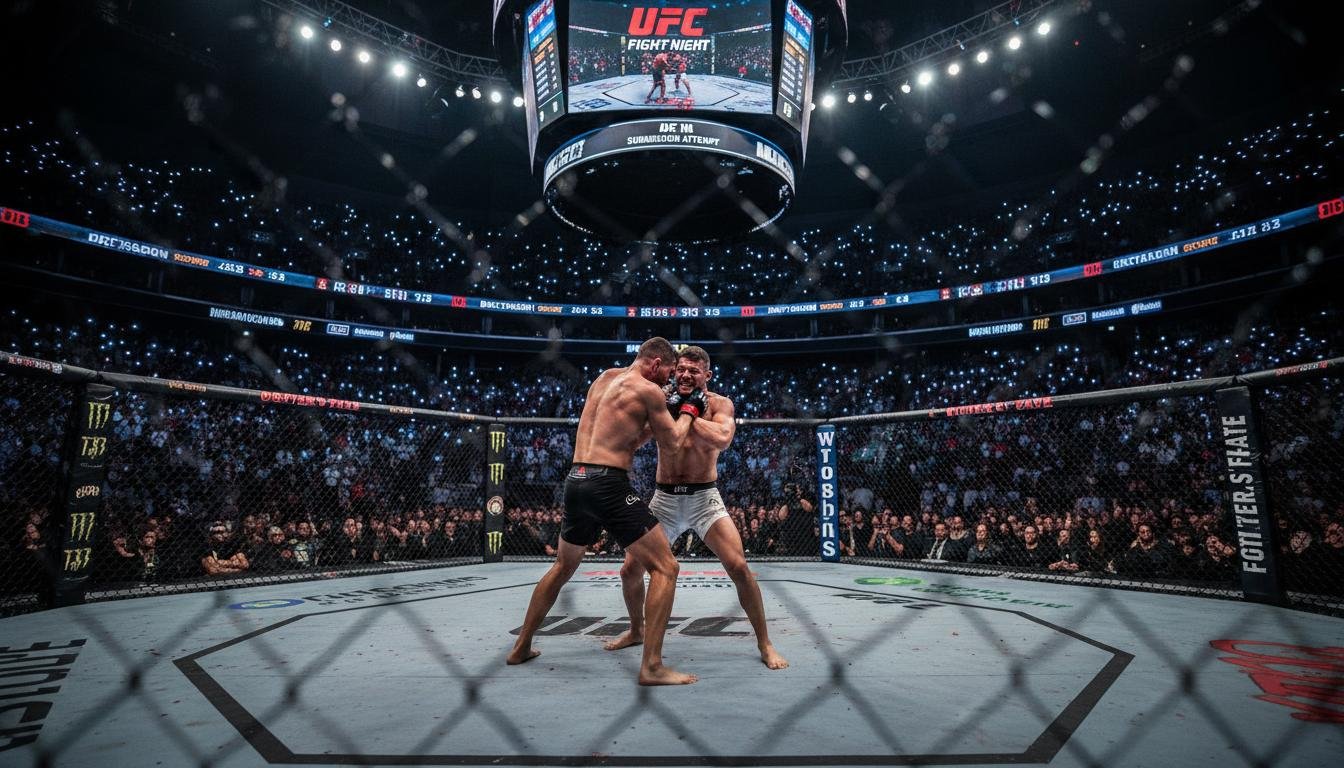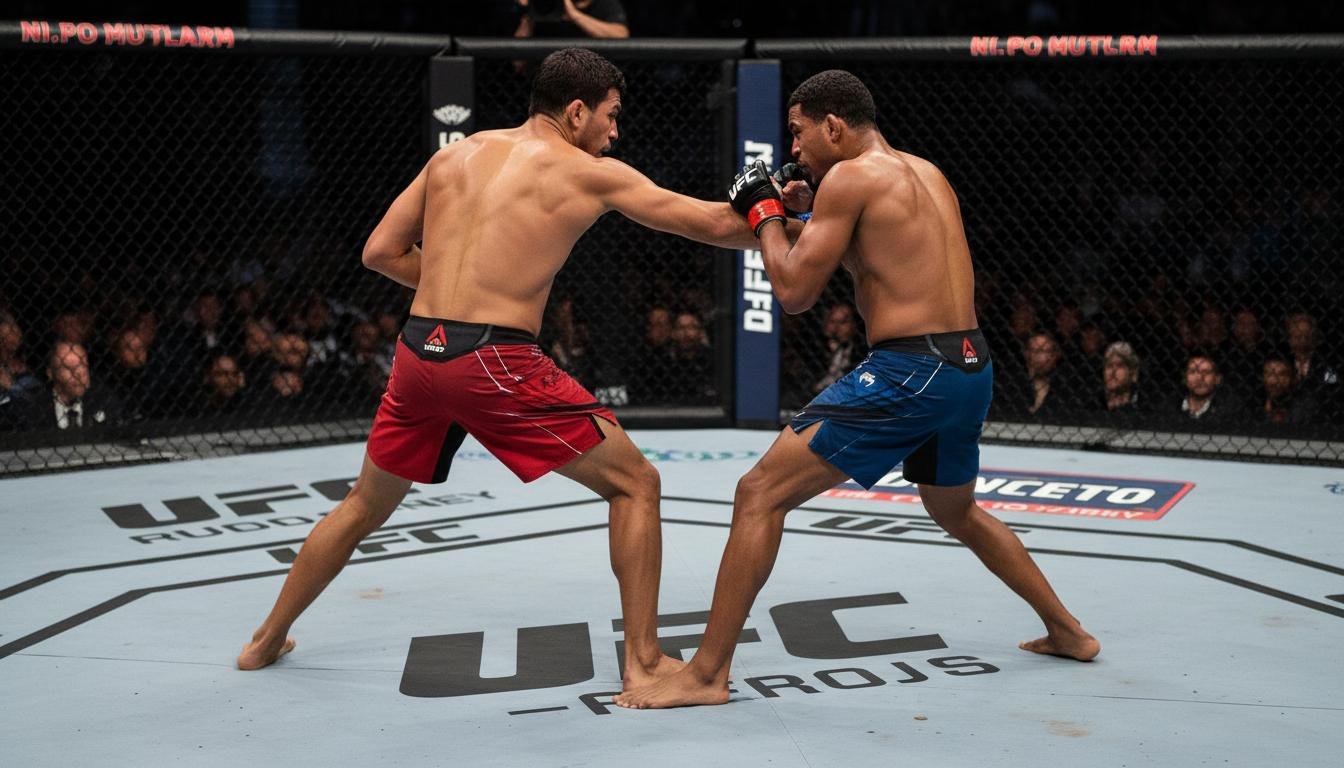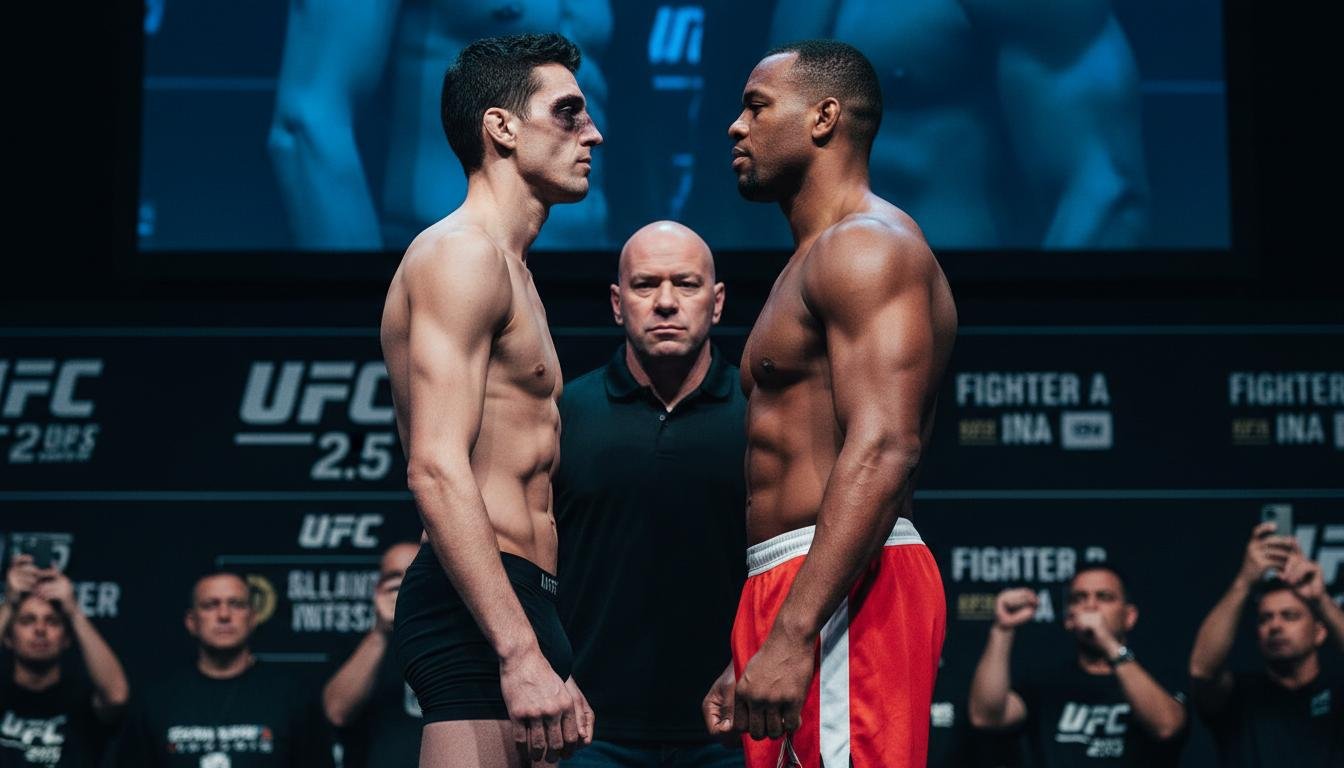

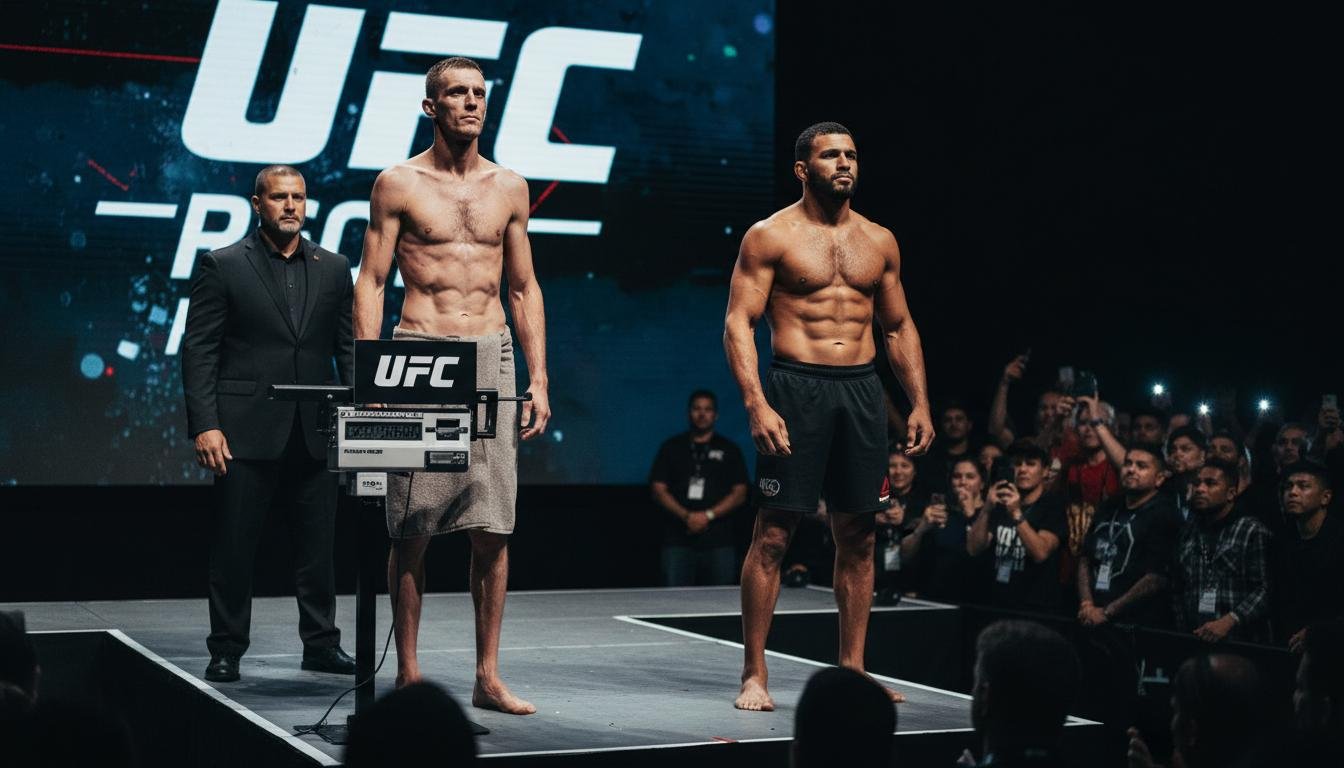
Missing weight in mixed martial arts is messy, dramatic, and—if you bet smart—occasionally profitable. This article walks through why weight misses matter, how oddsmakers and markets react, and concrete ways to adjust stakes and lines when a fighter struggles to make the contracted weight.
Why weight cutting still dominates MMA and why it breaks down
Weight cutting is baked into fight strategy: fighters strip water to make a lower class, then refuel to arrive on fight night heavier. The practice persists because size and strength advantages can be decisive, and because the sport’s incentive structure rewards making a lower limit.
But the process is fragile. Missed weights happen when a cut goes wrong—dehydration that’s harder to reverse, an illness, or last-minute miscalculation. Those failures tell a story about preparation, health, and the likely shape of an athlete on fight night.
How commissions and promotions respond—and what that means for bettors
When a fighter misses weight, standard options include a purse fine (commonly 20–30% of the offending fighter’s pay), a change to catchweight, or outright cancellation. For title fights, a champion who misses weight typically becomes ineligible to retain the belt, while the challenger can still win it if they make weight.
These rulings carry betting consequences. Fines and catchweights alter incentives, but the real market mover is information: a missed weight signals compromised preparation or a botched weight-cut, and bookmakers will adjust lines once the news is public and bettors react.
Immediate line reactions: how odds shift after a miss
Oddsmakers adjust quickly to newly revealed physical and situational risk. If the favorite misses weight, many books widen the line against them—sometimes substantially—because bettors discount the fighter’s likely in-cage performance and account for the psychological edge the opponent may gain.
But movement is not uniform. If the overweight fighter is expected to rehydrate massively and arrive significantly larger, the market may partially favor them instead. The key for bettors is to interpret which narrative the market is pricing: impaired performance or size advantage.
Typical market signals to watch
Watch three signals closely: (1) line movement immediately after the miss, (2) the percentage of money on either side (public vs. sharp money), and (3) any additional news—illness, withdrawal, or a commission ruling—that alters the fight’s status. Sharp money or rapid line drift can indicate professional traders exploiting value.
Live-betting windows after weigh-ins often offer the clearest mispricings. When casual bettors overreact to the headline “missed weight,” sharp books sometimes lag, creating opportunities if you’ve correctly assessed the underlying physiology and motivation.
Physiology and performance: what a bad cut usually means inside the cage
The most direct effect of a failed cut is residual dehydration and reduced cardiovascular capacity. Even a few percent of body mass lost improperly can mean lower stamina, slower recovery between rounds, and impaired striking output over the long reps of a fight.
Beyond physiology, a missed weight can signal poor fight camp quality control. Fighters who miss weight are more likely to have had training interruptions, which reduces timing, conditioning, and game-plan execution—factors that don’t show up in a box score but matter to probabilities.
Practical betting strategies when someone misses weight
First rule: never bet emotionally on headline noise. Gather facts quickly—how much over, whether the opponent accepted, and whether the fight remains a title bout. The magnitude of the miss matters: a pound or two usually carries less predictive weight than several pounds.
Adjust your stake size based on the uncertainty introduced. Reduce your standard stake by 20–50% for first-order uncertainty if you lack reliable additional info. For small, late-market value, consider low-risk prop bets (method of victory, round totals) rather than full-money moneyline wagers.
Strategy models to use
Model A — Conservative: If the favorite missed weight and the opponent accepts, move to smaller wagers or avoid the fight entirely. Favor live betting to see in-cage carryover effects before committing funds.
Model B — Opportunistic: If the underdog missed weight but is still respected for cardio and skill, consider taking the favorite at shorter lines before public reaction inflates value on the opponent. The logic: the underdog’s miss could indicate decline or desperation, and early lines sometimes overcompensate.
Model C — Quantitative overlay: Use a model that factors in past missed-weight outcomes, fine percentages, and the fighter’s pre-fight reach/height differential to estimate likely round and method distributions. This helps find value in props where the market is less efficient.
Props and in-play advantages
When market uncertainty is high, props and in-play markets often show inefficiencies. Over/under rounds and method-of-victory props are typically priced by general probability, not the nuanced physiological impact of a weight miss.
For example, if a typically high-output striker misses weight and is known to gas early when under-rehydrated, the under on total rounds or a first-round finish prop may offer value. Live betting after Round 1 can be particularly fruitful if the supposed rehydration advantage fails to manifest.
Risk management and bankroll adjustments
Missed weight events increase variance. Plan a smaller bet size, treat the event as high-uncertainty, and resist chasing losses. Use Kelly or fractional Kelly methods to scale stakes relative to edge and volatility.
Keep a separate allocation for opportunistic wagers—bets you place specifically when pre-fight events (like weight misses) create temporary market inefficiencies. That keeps your core bankroll intact and lets you act when value appears.
Case studies and real-life examples
In my experience following regional cards and major events, weight misses often precede surprise performances—both good and bad. I’ve seen fighters who missed weight walk out noticeably heavier and dominate early with power, but also fighters who looked sluggish and lost late due to conditioning deficits.
One memorable card had a fighter miss by three pounds, grit through the fight, and win by KO in Round 1—a textbook scenario where size trumped conditioning for a short bout. Conversely, I’ve seen a favored striker miss weight and fade in Round 3, turning a seemingly safe moneyline into a loss. These examples show why flexible staking and live observation matter.
Checklist: what to do the moment a fighter misses weight
1) Confirm the magnitude of the miss and whether the opponent accepted the fight. Smaller misses are less predictive than large ones. 2) Monitor line movement and money distribution—fast, sharp movement often signals a market consensus. 3) Seek additional news: illness, hydration status, and commission rulings can change the calculus.
4) Adjust stake size or pivot to props/live markets. 5) Track past performance after missed weights for the individual fighter—some athletes have repeated patterns. 6) Log the bet and outcome to improve future decision-making; patterns emerge with data.
| Event | Typical bookmaker/commission response | Betting implication |
|---|---|---|
| Small miss (1–2 lbs) | Often catchweight, small fine | Minor odds change; value depends on fighter history |
| Moderate miss (3–5 lbs) | Larger fine, opponent may demand weight check | Odds shift; consider reduced stake or props |
| Large miss (5+ lbs) / title fight | Fight may be canceled or title ineligibility | Avoid pre-fight moneyline; look for refunds/payout rules |
Legal, ethical, and long-term considerations
Regulatory changes are evolving. Some commissions are introducing hydration tests and stricter weight management protocols to curb extreme cuts. These reforms will change the frequency and impact of misses—and by extension, market behavior.
Ethically, bettors should remember the human cost of extreme weight cutting. While market inefficiencies create opportunities, the underlying problem involves fighter health and safety. Markets will adapt as rules and enforcement change; staying ahead means tracking regulatory shifts as closely as fighter form.
Putting it all together: a practical playbook
Start with rapid fact-gathering: magnitude of miss, fine percentage, opponent acceptance, and title implications. Next, observe market signals and wait for sharp money; early movers often indicate professional assessment.
Third, adjust stake size or switch to props and live markets. Finally, log every decision and result. Over time, you’ll build a database of how different fighters respond to missed weights and which market reactions are predictable versus noise.
When you bet on fights where weight problems are in play, humility and discipline pay. The headline gives you a thread; your job is to follow it to the facts, quantify uncertainty, and stake accordingly. That keeps you in the game long enough to spot the edges others miss.
Sources and experts
- https://www.ufc.com
- https://www.nsac.us.gov
- https://abcboxing.com
- https://www.espn.com/mma/
- https://www.sherdog.com
- https://pubmed.ncbi.nlm.nih.gov/?term=weight+cutting+combat+sports
The full analysis of the information was conducted by experts from sports-analytics.pro